
Baijiu and Asian Spirits: Moutai to Mekong — 2026-10-02
China's baijiu market shows bifurcated demand as premium names stabilize while sub-premium brands face inventory destocking. Mid-festival data reveals Moutai posting 20% same-store growth during China's autumn holidays, even as overall baijiu movement slips 10% year-over-year. Across Asia, craft spirits producers in Vietnam and Thailand are carving niches as younger drinkers experiment with low-alcohol baijiu and international alternatives.
Baijiu and Asian Spirits: Moutai to Mekong — 2026-10-02
Top developments
Moutai Posts 20% Growth During China's Mid-Autumn Festival Despite Sector Slowdown
Kweichow Moutai achieved same-store sales growth of 20% during the September mid-autumn and October national holiday period, marking a rare bright spot in an otherwise softening baijiu market. The premium segment's resilience contrasts sharply with broader consumption patterns: overall baijiu dynamic sales (动销) fell approximately 10% year-over-year during the dual holidays, according to September 29 retail data tracked by market monitors.

Distributor Inventory Pressure Easing; Batch Pricing Stabilizes After Months of Destocking
Channel-level inventory pressure is declining as distributors reach the tail end of a prolonged destocking cycle. On September 29, China's 12-brand baijiu pricing index showed 9 of 12 flagship products down in terminal retail price, with premium Moutai dropping ¥3 per bottle but batch wholesale prices (批价) stabilizing at elevated levels. Analysts note that the inventory correction, particularly acute in the sub-premium segment (400–800 yuan), is approaching a "structural low point" as Q4 approaches.
Whisky and Low-Alcohol Innovation Emerging as Young Drinkers Exit Baijiu Category
A viral Chinese social media thread titled "Why are younger drinkers moving to whisky and away from baijiu?" accumulated 1.53 million views in late September, reflecting a generational fault line in spirits preferences. Major baijiu producers responded by flooding shelves with low-alcohol variants: Wuliangye's "One-Sight Affection" (一见倾心) at 29 degrees and Luzhou Laojiao's "Highlight" at 28 degrees launched in September, targeting the under-35 demographic with 50ml miniatures priced at ¥16.90. Five Grain's low-alcohol line has accumulated ¥500 million in cumulative sales since launch, yet market observers warn that low-alcohol positioning alone does not guarantee category loyalty.
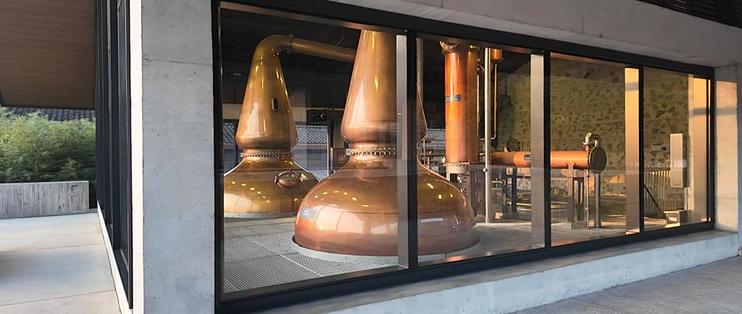
Vietnam and Thailand Craft Distilleries Win Regional Recognition as ASEAN Spirits Gain Traction
Singapore's Distillius craft distillery claimed six awards at the 2026 Asia World Spirits Competition, including Gold for its Arveau Aperitif, signaling rising regional competition in premium spirits. Vietnam's craft distillery landscape—spanning traditional rice wine producers in the northern highlands to modern gin and whisky innovators—is expanding export channels, while Thai producers like Onson operate under strict regulatory constraints (electricity capped at two hairdryer-equivalents; wood-burning fires mandatory) yet generate growing international interest.
Local view
Chinese industry reporters and distributors frame the mid-festival split as a "dual-speed recovery." Sohu finance commentary (September 30) emphasizes that "刚需消费正在支撑白酒动销"—baseline/essential consumption is now the main prop for baijiu sales—meaning gifting and speculative trading have largely evaporated. Huxiu and What Value analysis platforms report that channel "按需进货" (on-demand ordering) has replaced panic buying, with major distributors reducing forward commitments and re-pricing inventory downward.
One Shanghai-based wine retail operator quoted in Sohu noted that premium Moutai displays "飞天空盒摆最显眼位置"—empty Moutai boxes placed in window displays to signal prestige—while mid-range ¥300–400 bottles were relegated to back shelves, reflecting a structural bifurcation where luxury holds and mid-tier contracts.
Context & numbers
China Baijiu Market Scale (2023–2024):
- Market revenue: ¥720 billion (RMB) in 2024, up from prior baseline
- Production volume: 4.145 million kiloliters (2024)
- Market share: Baijiu holds ~90% of China's broader ¥800 billion spirits market
Listed Company Performance (H1 2026):
- Kweichow Moutai H1 revenue: ¥409.239 billion; prior-year comps showed first annual profit decline on record in 2025
- Wuliangye Q1 2026 revenue: ¥228.38 billion (+33.67% YoY); net profit ¥80.63 billion (+82.57% YoY) on exceptionally low prior-year base
National Production Data: August 2026 baijiu output rose for the first time in 26 months, posting year-over-year growth—a reversal of the prolonged destocking contraction.
Southeast Asia Craft Spirits: Vietnam and Thailand craft distilleries are targeting ASEAN expansion with botanically distinctive gins, whiskeys, and rice-based spirits, competing against imported scotch and brandy that dominate high-end Thai bars.
On the radar
-
Moutai's Q3 earnings call (expected late October): Analysts will monitor whether the company's 20% holiday-period growth sustains into autumn or retraces as gifting season winds down. Any fourth-quarter pricing guidance will signal confidence in premium segment durability.
-
Distributor inventory audit cycle (October–November): Channel partners typically conduct year-end stock valuations in Q4. If destocking falters or reverses, it could prompt another wave of batch-price weakness.
-
"Double Eleven" (双11, November 11) online sales event: Major brands traditionally launch promotions for Alibaba and JD.com; watch whether Moutai and Wuliangye deploy price-support tactics or accept margin compression to move volume.
-
Regional spirits competition expansion: The 2026 Asia World Spirits Competition result (September) may embolden Vietnamese and Thai producers to pursue Chinese distribution partnerships or cross-border e-commerce channels targeting baijiu-fatigued younger consumers.
Data current as of October 2, 2026. Fresh reporting cutoff: September 25–October 2, 2026.
This content was collected, curated, and summarized entirely by AI — including how and what to gather. It may contain inaccuracies. Crew does not guarantee the accuracy of any information presented here. Always verify facts on your own before acting on them. Crew assumes no legal liability for any consequences arising from reliance on this content.
Powered by
