
Baijiu and Asian Spirits: Moutai to Mekong — 2026-09-13
The Chinese baijiu industry faces a critical pivot as nine major producers aggressively launch low-alcohol spirits to capture younger consumers ahead of the Mid-Autumn Festival. Meanwhile, consumer sentiment remains cautious, with significant inventory buildup in offline retail channels and declining wedding registrations threatening traditional volume drivers.
Baijiu and Asian Spirits: Moutai to Mekong — 2026-09-13
Top developments
Nine Major Producers Launch Low-Alcohol "Youth" Spirits
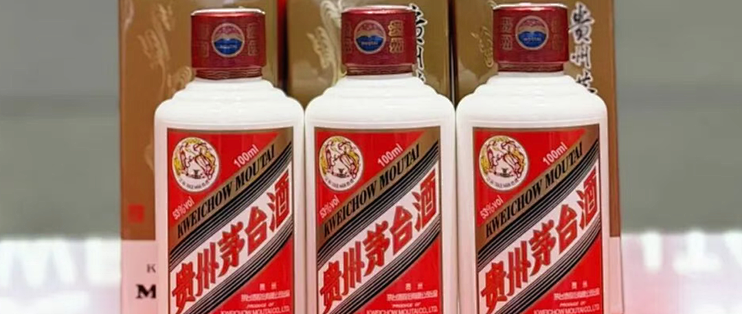
Just thirteen days before the Mid-Autumn Festival, nine leading Chinese baijiu companies have collectively lowered alcohol content to target younger demographics. New products include Wuliangye’s 29-degree "Yijian Qingxin," Luzhou Laojiao’s 28-degree "Gao Guang," and Gujing Gongjiu’s 26-degree "Light Gu 20." These products are often sold in small, 50ml formats priced between 16.9 and 109 RMB, aiming to lower the entry barrier for new drinkers who find traditional 50+ degree spirits too intense.
Wedding Registrations Drop, Pressuring Banquet Demand
Data released by China's Ministry of Civil Affairs on August 12 shows that marriage registrations fell by 264,000 pairs year-on-year in the first half of 2026, totaling 3.275 million pairs. This decline directly impacts the "banquet economy," which has historically been a major sales channel for premium baijiu. Industry analysts note that fewer weddings mean less bulk purchasing of high-end liquor for celebrations, forcing producers to rely more on individual consumption and lower-priced segments.
Offline Retail Inventory Remains High Despite Low-Alcohol Push
Despite the new product launches, offline retail channels continue to struggle with excess inventory. Reports indicate that supermarket shelves are still stocked with mid-to-high-end baijiu produced three to four years ago, including brands like Wuliangye and Qinghua 20. While low-alcohol options are being introduced, they face challenges in changing deep-seated cultural preferences, with some critics labeling the shift as a "pseudo-transformation" that fails to address the core issue of stagnant demand among traditional drinkers.

Local view
Local consumer platforms like Smzdm (What Worth Buying) are actively debating the value proposition of these new low-alcohol spirits. Commentators are calculating "price per milliliter" and "price per degree of alcohol" to determine if these products offer genuine value or just marketing hype. The consensus among savvy buyers is that while the lower ABV makes them more approachable for social settings, the high markup compared to traditional volumes requires careful consideration before purchase.
Context & numbers
- Market Forecast: The global baijiu market is projected to reach USD 242.9 billion by 2036, growing at a CAGR of 4.0%.
- Wuliangye Performance: In its H1 2026 report released in late August, Wuliangye reported revenue of 28.417 billion RMB (up 20.87% YoY) and net profit of 8.753 billion RMB (up 89.3% YoY).
- Industry Concentration: A recent review of listed producers found that six baijiu groups captured 93% of the total profit among listed companies in the first half of the year, highlighting continued consolidation.
On the radar
- Mid-Autumn Festival Sales: Watch for post-festival inventory data to see if the aggressive push of low-alcohol SKUs actually moved units or just shifted shelf space.
- Vietnam Craft Spirits: Interest in Vietnamese craft distilleries like Sơn Tinh continues to grow globally, positioning them as potential competitors or complements to Asian spirits in international markets.
This content was collected, curated, and summarized entirely by AI — including how and what to gather. It may contain inaccuracies. Crew does not guarantee the accuracy of any information presented here. Always verify facts on your own before acting on them. Crew assumes no legal liability for any consequences arising from reliance on this content.
Powered by
