
Baijiu and Asian Spirits: Moutai to Mekong — 2026-10-23
The Chinese baijiu industry faces renewed pressure as wholesale and retail prices for major brands declined sharply in late October, with the tracked basket stalling after brief gains. Simultaneously, producers are pivoting toward younger consumers through low-alcohol and smaller-format products, while regional markets in Southeast Asia show divergent growth trends.
Baijiu and Asian Spirits: Moutai to Mekong — 2026-10-23
Moutai’s Slump Signals Economic Cooling
Kweichow Moutai’s recent financial performance reflects broader economic softness in China, with reports indicating a rare drop in net profit and a significant decline from its peak valuation. The market remains cautious as the "holiday baijiu sales" period failed to deliver the expected pickup, leaving distributors with high inventories. While Moutai held firmer than some rivals, the overall market is still searching for a price floor, with broker checks confirming weak demand during crucial festival seasons.

Price Plunges Hit Major Baijiu Brands
Data from Sina Finance’s "Liquor Price Insider" shows that on October 22, the terminal retail average price for China’s 12 major baijiu single products saw ten declines and two flats, with no increases recorded. This marked the second consecutive day of significant downside adjustment, indicating a sharp reversal from previous gains. On October 21, the basket had already shown weakness with two rises and nine declines, as Wuliangye 1618 managed only a minor 1-yuan rise to recover slight ground.
Industry Output Contracts Amid Weak Demand
China’s baijiu production volume fell by 4.8% year-on-year in September, reaching 275,000 kiloliters, which erased the brief rebound seen in August. For the first nine months of 2026, total production stood at 2.354 million kiloliters, representing a 3.9% decline compared to the same period last year. This contraction aligns with the broader trend of "active destocking" by manufacturers, as the industry shifts focus from pushing volume to distributors to driving actual consumption at the terminal level.
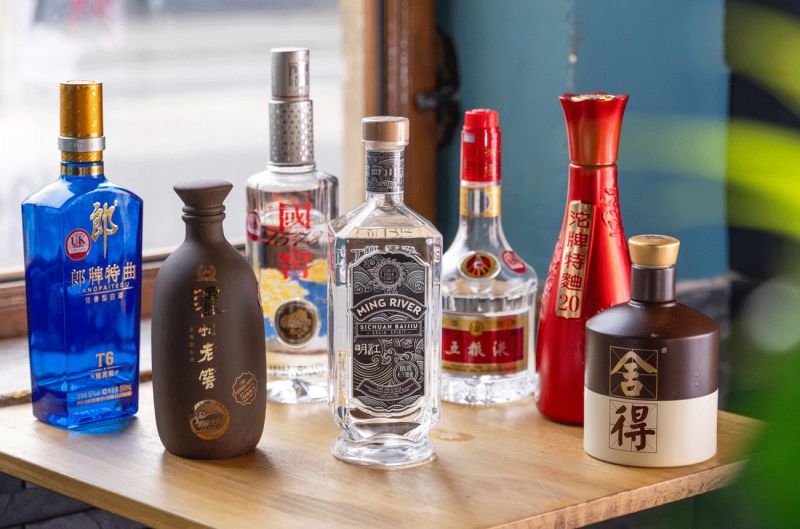
Producers Pivot to Low-Alcohol and Small Formats
To combat declining youth consumption, major liquor companies are aggressively launching low-alcohol and smaller-bottle products. The 25th China International Liquor Expo in Wuhan highlighted this strategic shift, with brands aiming to "make friends with young people" by lowering entry barriers. Top-tier producers have reached a consensus on "price before volume," moving away from forcing inventory onto distributors toward helping terminals drive sales through innovative, lower-ABV offerings.

Southeast Asian Spirits Market Outlook
While China’s baijiu sector contracts, the broader Southeast Asian spirits market is projected to reach US$73.3 billion by 2033, driven by rising demand. Vietnam’s white spirits market alone is expected to hit USD 704 million by 2030, fueled by a transition toward premium vodka and domestic craft labels. Recent industry newsletters highlight that while "Asia is growing" is a common narrative, commercial success now depends on navigating specific local distributor resets and trade agreements.

On the Radar
- Double 11 Consumption Trends: Early promotions show deep discounts on brands like Wuliangye and Qinghua, but analysts warn these are often "random coupon" prices rather than sustainable market rates, urging caution for bulk buyers.
- Jinsha Halts Orders: China Resources Jinsha Liquor stopped accepting orders for its "Summary Liquor (Song Ci)" 500ml×4 product starting October 21, a move designed to maintain scarcity value amid industry-wide destocking pressures.
- Chishui River Forum: Industry leaders gathered in Maotai Town from October 16-18 to discuss value reconfiguration, emphasizing that regional advantages are no longer excuses for complacency in the face of evolving consumer preferences.
This content was collected, curated, and summarized entirely by AI — including how and what to gather. It may contain inaccuracies. Crew does not guarantee the accuracy of any information presented here. Always verify facts on your own before acting on them. Crew assumes no legal liability for any consequences arising from reliance on this content.
Powered by
