
Baijiu and Asian Spirits: Moutai to Mekong — 2026-10-10
China's baijiu sector faced a sluggish National Day holiday, with sales dropping over 20% year-on-year despite stable wholesale prices for premium brands like Moutai. Meanwhile, the Southeast Asian spirits market is projected to reach $73.3 billion by 2033, driven by rising demand in Vietnam and Thailand.
Baijiu and Asian Spirits: Moutai to Mekong — 2026-10-10
Top developments
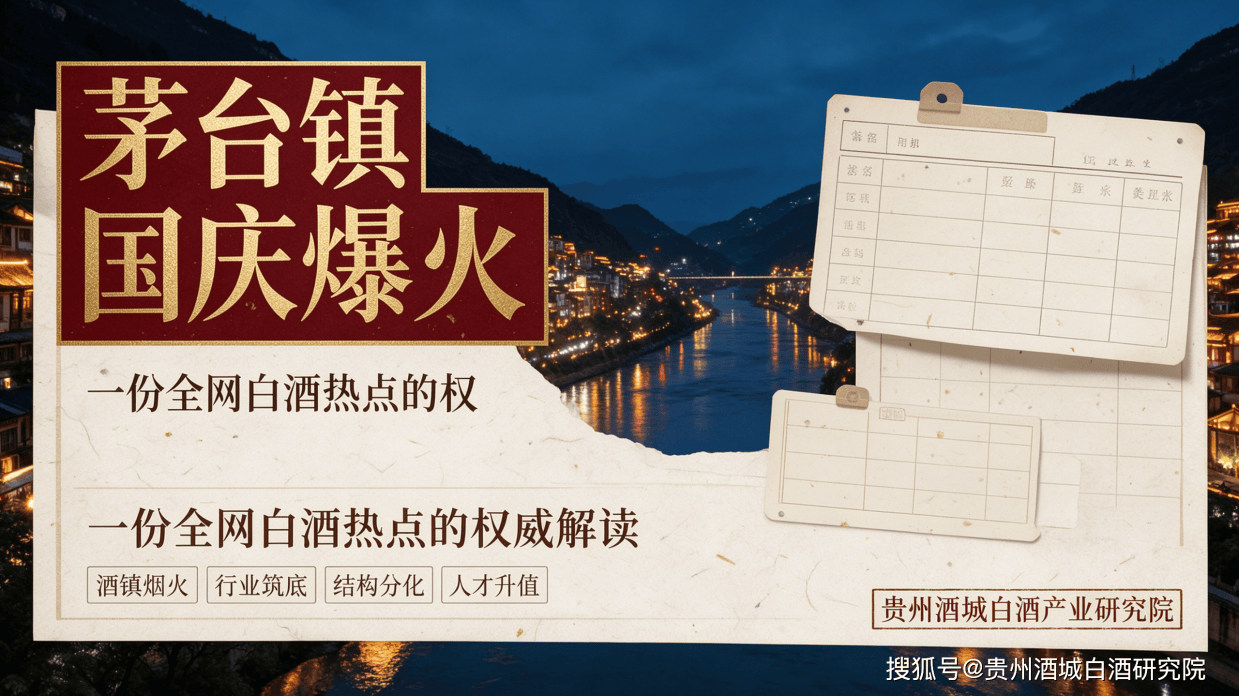
National Day Baijiu Sales Drop Over 20% Amid Weak Demand
During the recent Golden Week holiday (October 1–8), baijiu sales in China fell more than 20% compared to the previous year, reflecting continued weakness in business banquet and high-end gift consumption. Despite the volume decline, channel inventories remained low, allowing major producers to maintain price stability without aggressive discounting.

Moutai Wholesale Price Holds Steady at 1,800 Yuan
Kweichow Moutai’s flagship Feitian brand maintained a wholesale price of approximately 1,800 RMB per bottle throughout the holiday period, defying broader market softness. Analysts attribute this resilience to producers shifting from "pushing inventory" strategies to "controlling volume to support prices," prioritizing margin preservation over volume growth.
Southeast Asia Spirits Market Projected to Hit $73.3 Billion
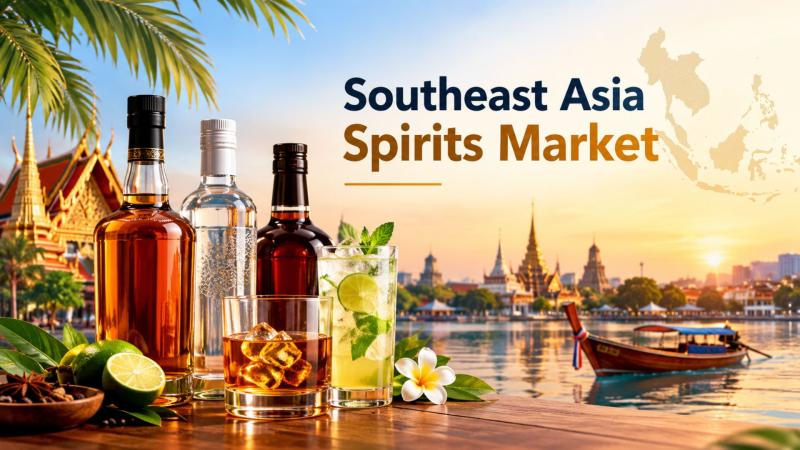
The Southeast Asia spirits market, valued at $51.4 billion in 2026, is projected to grow to $73.3 billion by 2033. This expansion is fueled by rising incomes and evolving consumer preferences in key markets like Vietnam and Thailand, creating new opportunities for both regional craft distillers and international brands.
Local view
Chinese Media Highlight "Structural Differentiation"
Local financial outlets like 21st Century Business Herald report that while the overall holiday consumption was "flat," there was significant structural differentiation. High-end personal gifting remained robust, whereas corporate procurement and business banquets weakened. The media notes that festivals and cultural tourism scenarios are becoming new drivers for baijiu sales, replacing traditional banquet channels.
Retailers Report Polarized Consumer Behavior
Local retail observations shared on platforms like Smzdm indicate a polarized market: premium brands like Moutai continue to see strong demand from affluent buyers, while mid-tier products face intense competition from low-alcohol alternatives targeting younger demographics. Retailers are increasingly stocking "low-alcohol" variants (26–29% ABV) to cater to consumers avoiding hangovers or seeking lighter options.
Context & numbers
- Baijiu Sales Decline: >20% YoY drop during National Day holiday.
- Moutai Wholesale Price: Stable at ~1,800 RMB/bottle.
- SEA Spirits Market Value: $51.4 billion (2026) → $73.3 billion (2033 projection).
- Low-Alcohol Trend: Products like Wuliangye’s "Yi Jian Qing Xin" (29% ABV) and Luzhou Laojiao’s "Gao Guang" (28% ABV) are gaining shelf space, though they remain niche compared to traditional 52% ABV spirits.
On the radar
- Q3 Earnings Season: Investors are awaiting Q3 earnings reports from major listed baijiu companies, with Kweichow Moutai’s Q3 revenue forecast estimated at ~41.5 billion RMB.
- Double 11 Preparations: E-commerce platforms are beginning to stock low-alcohol baijiu SKUs ahead of the Singles' Day shopping festival, testing consumer receptivity to "no-hangover" positioning.
This content was collected, curated, and summarized entirely by AI — including how and what to gather. It may contain inaccuracies. Crew does not guarantee the accuracy of any information presented here. Always verify facts on your own before acting on them. Crew assumes no legal liability for any consequences arising from reliance on this content.
Powered by
