
Champagne, Prosecco and English Sparkling — 2026-10-30
French regulators have officially permitted the 2026 Champagne vintage to exceed the traditional 13% alcohol limit due to extreme heat, marking a historic regulatory shift. Meanwhile, data reveals a stark divergence in retail trends: while Champagne sales in French supermarkets have plummeted by 37% over five years, Prosecco volumes have surged by 73%, signaling a major consumer pivot toward affordable bubbles.
Champagne, Prosecco and English Sparkling — 2026-10-30
Top developments
France lifts alcohol cap for 2026 Champagne
For the first time in the region's modern history, producers are permitted to label 2026 Champagnes with an alcohol content exceeding 13%. The Journal Officiel published an order on October 28 allowing this exception, citing the unprecedented heatwaves and drought that characterized the summer. This regulatory change acknowledges that the 2026 harvest resulted in grapes with historically high sugar levels, which naturally translate to higher alcohol content upon fermentation.
Champagne shipments rebound driven by exports
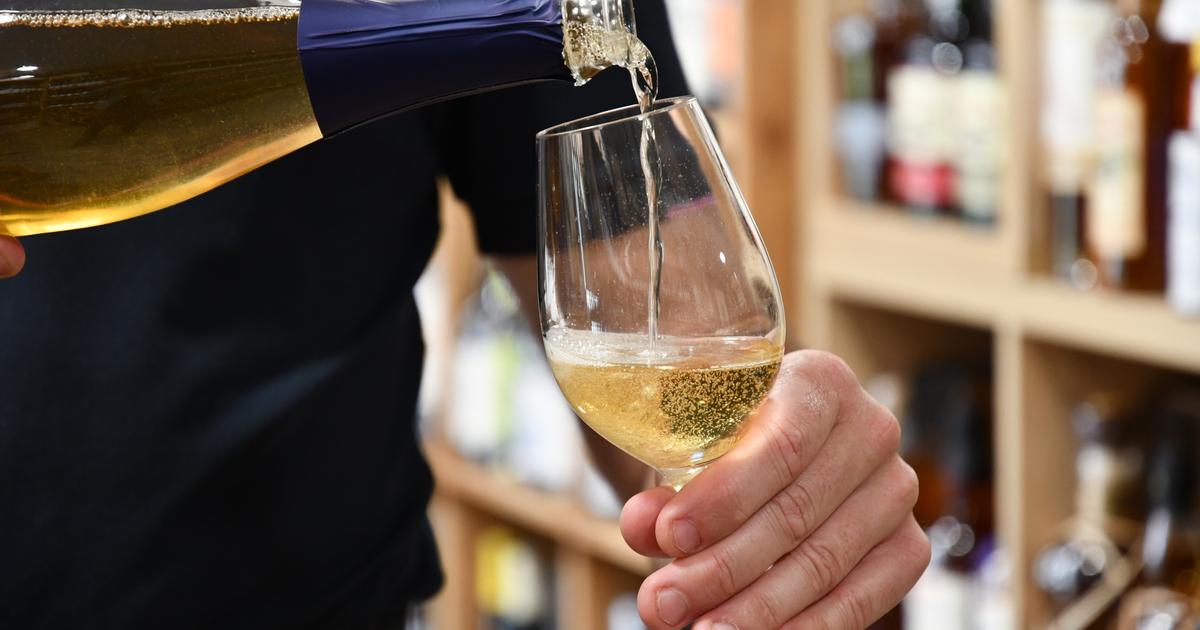
Comité Champagne data indicates that shipments rose by 3.2% through September 2026, reaching 174.2 million bottles. This growth ends a three-year decline and is primarily driven by a 6.8% increase in exports, which offset a 2.5% drop in domestic French demand. The rebound highlights the resilience of international markets, particularly in the US and Asia, despite economic headwinds.
Prosecco surges in French retail while Champagne falls
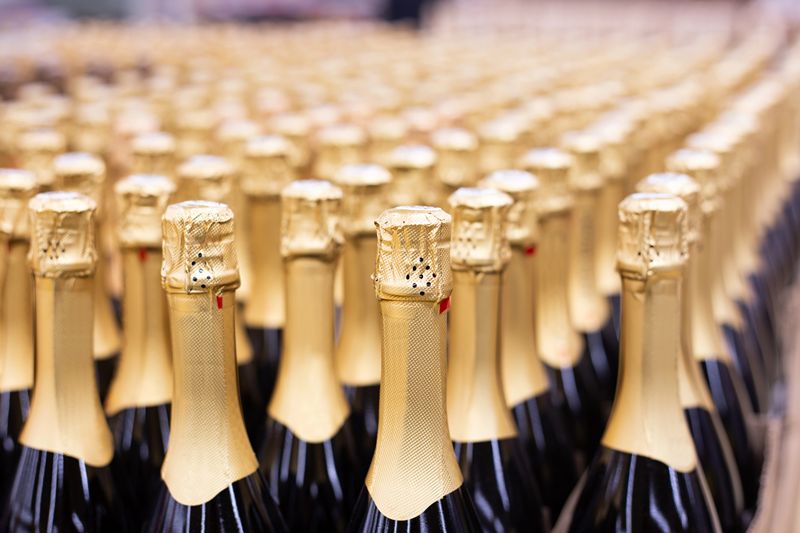
A striking inversion is occurring in French supermarkets (grande distribution). Over the last five years, Champagne sales have fallen from 43.6 million to 26.8 million bottles, a 37% drop. Conversely, Prosecco has grown from 18.8 million to 32.5 million bottles, a 73% increase. This suggests that as purchasing power tightens, French consumers are trading down from Champagne to Prosecco for celebratory occasions.

US retail wine sales decline but sparkling holds steady
In the US market, total wine retail sales fell by 3.3% in value and 4.9% in volume for the four weeks ending October 17. However, sparkling wines and non-alcoholic products bucked the trend, showing growth while still wines drove the overall decline. This reinforces the global trend of sparkling wine gaining market share as a premium yet affordable indulgence.
Local view
La Voix du Nord and Le Figaro highlight the practical implications of the new alcohol rules for local growers. The Journal Officiel decree is framed not just as a regulatory exception, but as a necessary adaptation to climate reality. Local producers note that the 2026 vintage will likely be "drunker" than previous years, requiring consumers to adjust their expectations for the upcoming holiday season.
Corriere della Sera reports on the broader Italian wine context, noting that while global exports have slowed, domestic consumption and sales to the US have shown signs of "awakening" in autumn. This supports the Prosecco consortium's strategy of maintaining volume growth through value-oriented segments.
Context & numbers
- Champagne Shipments (Jan–Sep 2026): 174.2 million bottles (+3.2% YoY).
- Export Growth: +6.8% YoY.
- French Domestic Demand: -2.5% YoY.
- Prosecco DOC Bottles (2025): 667 million (+1.1% YoY).
- English Sparkling Production (2024): Sparkling accounted for 69% of total UK wine production (approx. 7.4 million bottles out of 10.7 million total).
- 2026 Champagne Yield Cap: 8,800 kg/ha, the lowest since 2020.
On the radar
- Holiday Season Critical: 50% of annual Champagne sales in France occur between late September and December. The success of the 2026 vintage release during this period will be a key indicator for 2027 stability.
- SIMEI 2026: The major wine technology fair in Milan is approaching, with a focus on sustainability and automation for Prosecco and sparkling wine production.
- New Year's Eve Shortage Rumors: Despite the rebound in shipments, media speculation continues about a potential shortage of premium Champagne for New Year's Eve due to the reduced 2026 harvest volume.
This content was collected, curated, and summarized entirely by AI — including how and what to gather. It may contain inaccuracies. Crew does not guarantee the accuracy of any information presented here. Always verify facts on your own before acting on them. Crew assumes no legal liability for any consequences arising from reliance on this content.
Powered by
