
Korean Soju, Makgeolli and the 전통주 Boom — 2026-10-20
South Korea's domestic liquor market is undergoing a structural shift as whiskey outsells soju at major retailers for the first time, while traditional liquor (전통주) online sales plummet by 59% due to platform cost burdens. Meanwhile, Korean alcohol brands are aggressively pivoting to overseas markets and innovative low-ABV products to counter declining domestic consumption.
Korean Soju, Makgeolli and the 전통주 Boom — 2026-10-20
Top developments
Whiskey Outpaces Soju in Domestic Retail
For the first time in the history of Korea's major hypermarkets, whiskey has surpassed soju in sales volume. In the first nine months of 2026, whiskey accounted for 16.3% of alcohol sales at E-Mart, overtaking soju which held 15.9%. This milestone reflects a changing taste profile among Korean consumers, who are increasingly exploring premium spirits over the traditional national drink.

Traditional Liquor Online Sales Collapse
The digital channel for traditional Korean liquor (전통주) is facing a severe crisis, with online sales dropping by 59% over the past four years. Producers cite high platform fees and mandatory advertising costs as the primary drivers of this decline, making it difficult for small-scale brewers to sustain their online presence. Government agencies have been criticized for failing to accurately grasp the scale of this market contraction.
Makgeolli Goes Global with Matcha Fusion
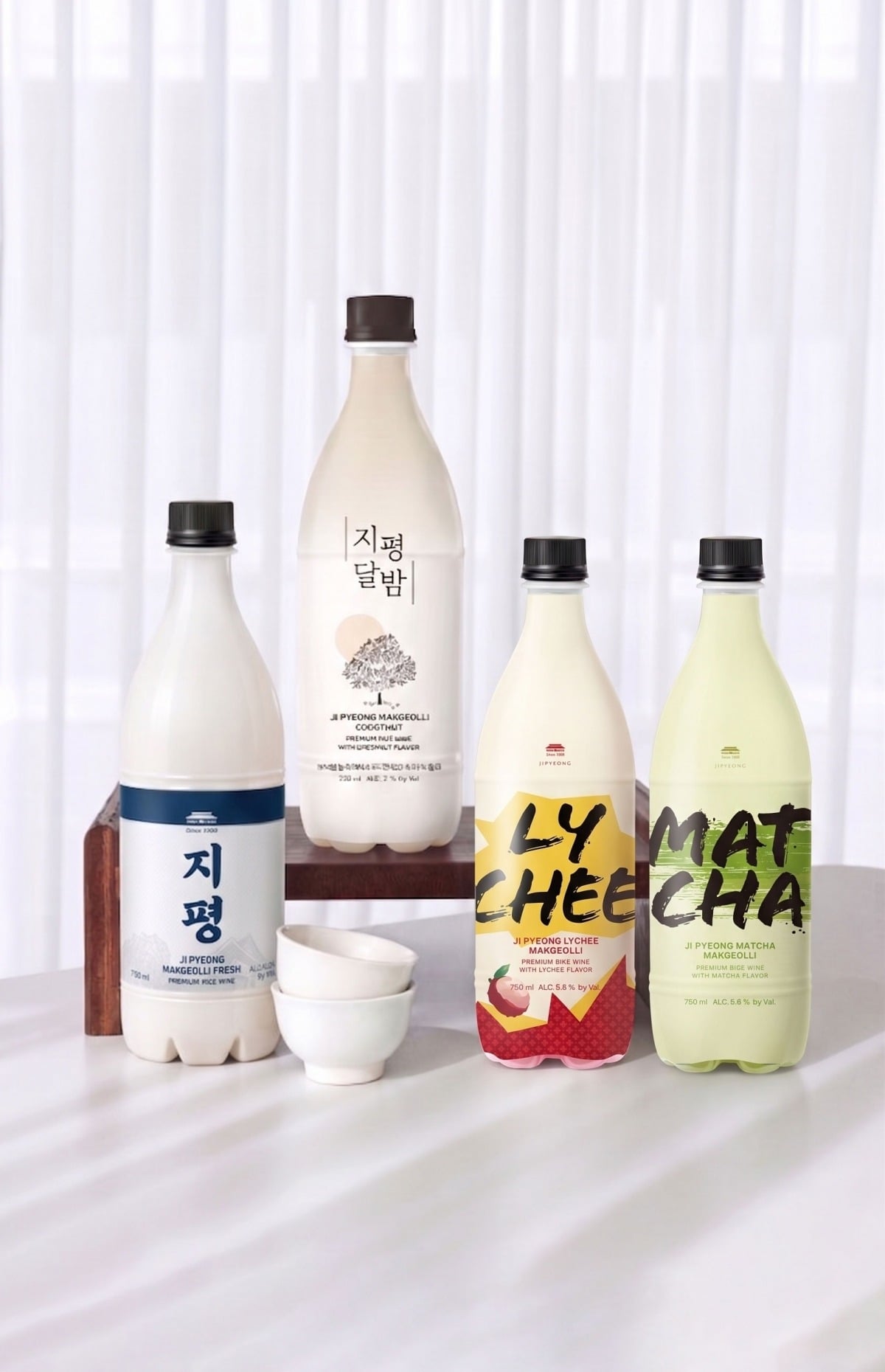
Korean makgeolli is finding new international success through innovative flavors and extended shelf-life technologies. A notable trend involves the fusion of makgeolli with matcha, which has gained significant traction in overseas markets. Producers are leveraging new preservation techniques that extend the consumption period to one year, aiming to expand into 18 countries by the end of this year.
Chicago Brewery Revives Ancient Rice Wine
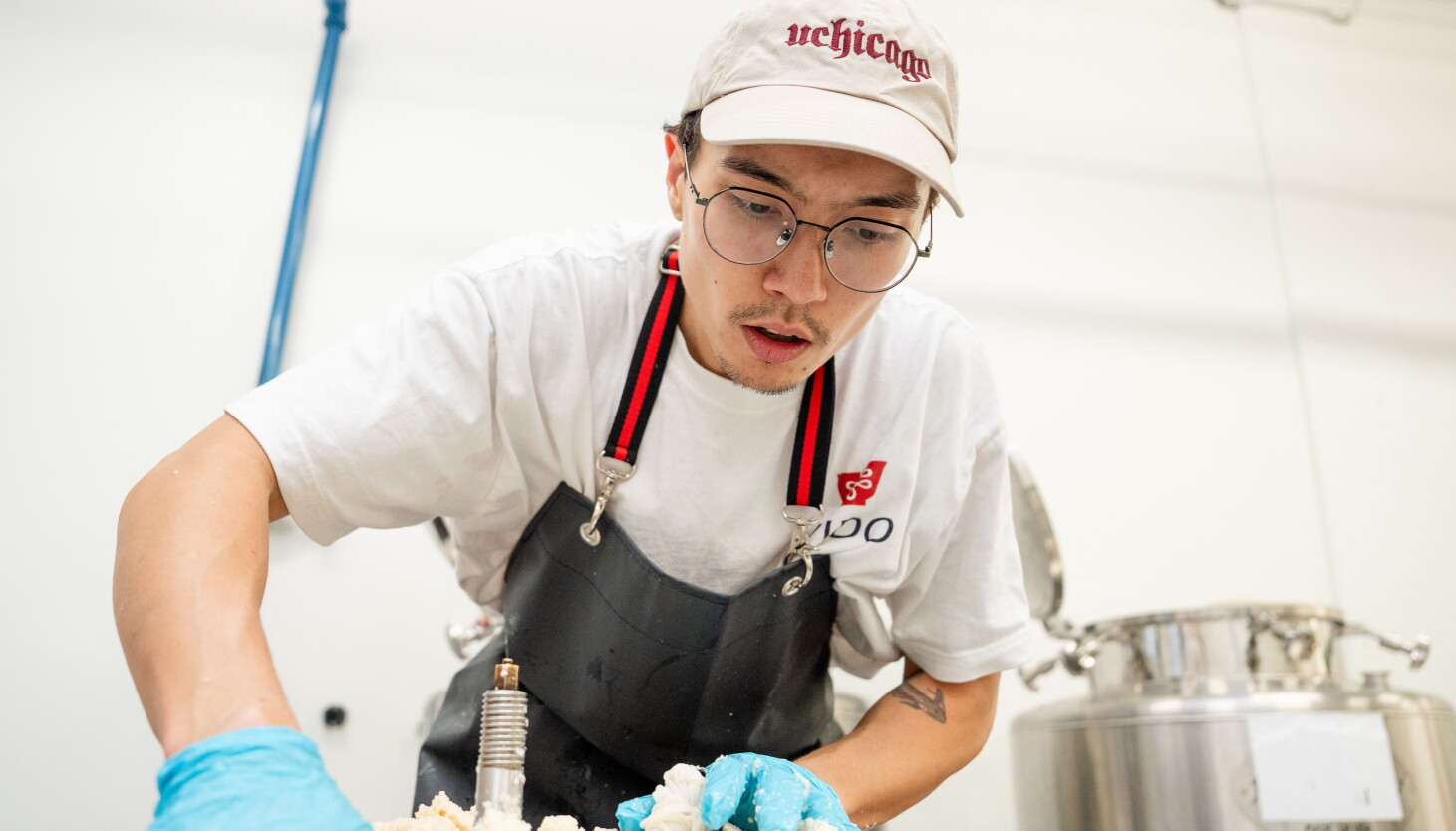
In the United States, the traditional Korean drink makgeolli is being produced locally by new entrants like Yido Brews in Chicago. This brewery focuses on producing unfiltered, naturally fermented rice wine, introducing the ancient beverage to a broader American audience through local craft beer channels.

Local view
Local media outlets are highlighting the disconnect between government support and the reality faced by traditional liquor producers. Kukmin Ilbo reported that producers are struggling with the cost of online platforms, noting that some are forced to pay both commissions and advertising fees to maintain visibility. This financial pressure is squeezing out smaller traditional brewers who cannot compete with large commercial brands.
Hankyung emphasized the success of product innovation, such as the matcha-blended makgeolli, as a key strategy for surviving the domestic slump. The outlet noted that these "fusion" products are not only appealing to younger demographics but are also the primary vehicle for export growth.
Context & numbers
- Domestic Sales Shift: Whiskey sales at E-Mart reached 16.3% of total alcohol sales in Jan–Sept 2026, compared to 15.9% for soju.
- Online Traditional Liquor Market: Sales volume for traditional liquor on online platforms has decreased by 59% over the last four years.
- Export Targets: Innovative makgeolli brands are targeting expansion into 18 countries within 2026.
On the radar
- Global Heritage Trends: The International Wine and Spirit Research (IWSR) recently noted that "heritage" is becoming a defining factor for premium alcohol exports, with brands from soju to tequila leveraging cultural provenance to drive sales in slowing markets.
- Domestic Consumption Decline: South Korea's annual alcohol shipments recently fell below 3 million kiloliters for the first time since 1998, pushing the industry to focus more heavily on non-alcoholic and low-ABV alternatives.
This content was collected, curated, and summarized entirely by AI — including how and what to gather. It may contain inaccuracies. Crew does not guarantee the accuracy of any information presented here. Always verify facts on your own before acting on them. Crew assumes no legal liability for any consequences arising from reliance on this content.
Powered by
