
Korean Soju, Makgeolli and the 전통주 Boom — 2026-10-25
South Korea’s liquor industry is pivoting toward premiumization and global expansion as domestic consumption declines, with soju exports surging abroad despite local market saturation. Major brands like Hite Jinro and Lotte Chilsung are launching limited-edition autumn products and high-proof distilled soju to capture niche markets, while regulatory voices call for lower barriers to help small traditional breweries compete globally.
Korean Soju, Makgeolli and the 전통주 Boom — 2026-10-25
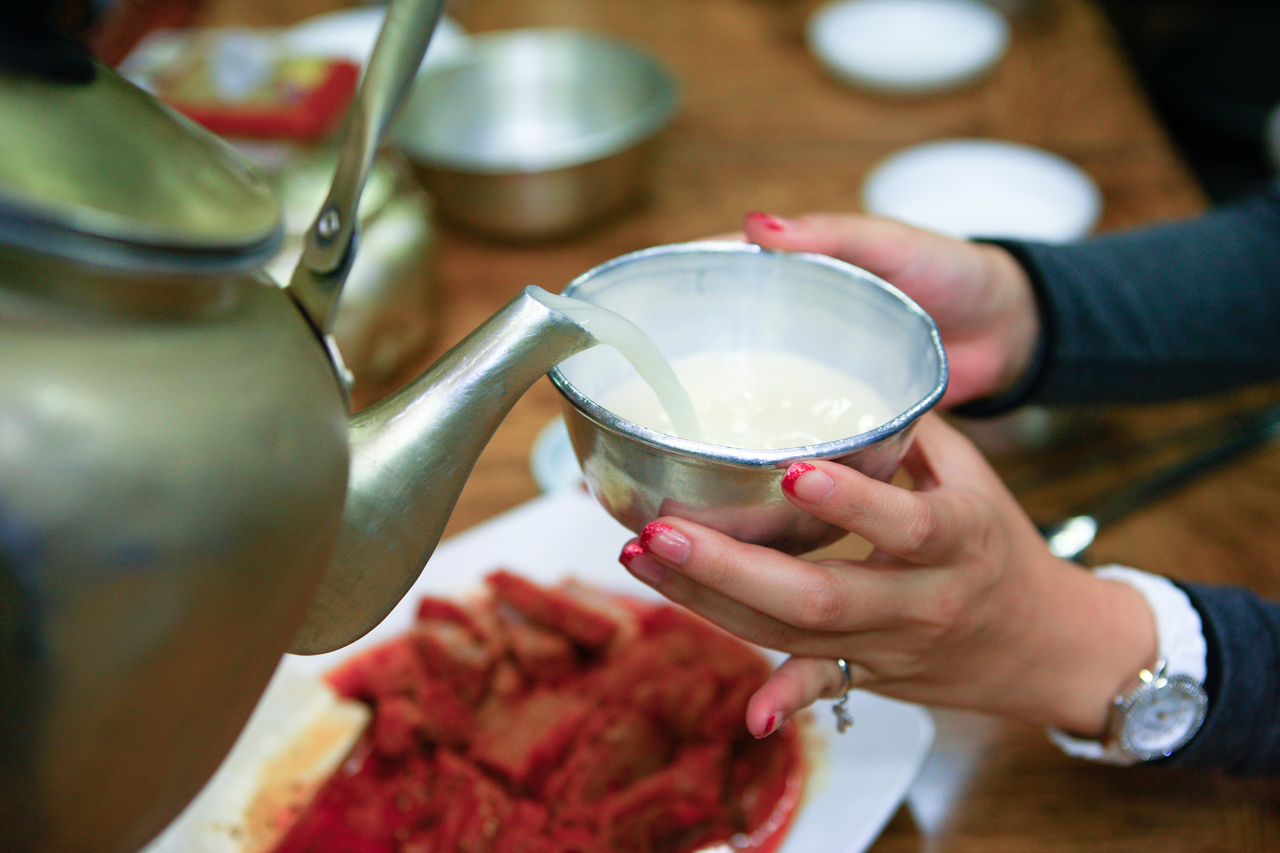
IWSR Report Highlights Global Soju Surge Amid Domestic Decline
According to a new report by the International Wine and Spirits Research (IWSR) published on October 23, 2026, soju volumes outside South Korea rose by 9% in 2025, even as domestic sales fell by 2%. The report attributes this divergence to the "cultural cachet" of Korean culture, which is reshaping global alcohol consumption habits. This data underscores a critical shift: as Koreans drink less, the industry’s growth engine has moved decisively to international markets, where soju is transitioning from a niche ethnic product to a mainstream spirit.
Hite Jinro and Lotte Chilsung Launch Premium Autumn Limited Editions
On October 22, 2026, Korean media reported that major liquor makers are releasing limited-edition products to combat seasonal sales slumps. Hite Jinro launched a premium distilled soju using exclusive raw materials, while Kooksoondang released "2026 First Sip Made with New Rice," a seasonal makgeolli limited to 21,000 bottles. These moves reflect a broader industry strategy to focus on high-margin, premiumized products rather than volume-driven mass market goods, as traditional low-alcohol soju faces stagnation.
Industry Advocates for Regulatory Reform to Boost K-Sul Exports
In an opinion piece published on October 23, 2026, in Money Today, industry stakeholders argued that South Korea must lower regulatory barriers and expand distribution channels to globalize "K-Sul" (Korean alcohol). The author emphasized that for small and medium-sized traditional liquor producers to compete globally, the government must support the export of makgeolli, yakju (rice wine), and distilled soju. This call for policy reform comes as domestic consumption slows, making overseas expansion the primary survival strategy for the sector.
Cross-Industry Entry: Food Firms Enter Liquor Market
Digital Daily reported on October 23, 2026, that food and beverage companies are diversifying into new liquor categories to offset declining traditional alcohol consumption. Beer companies are entering the soju market, while food firms are launching distilled spirits. This trend highlights the fragmentation of the Korean liquor market, where companies are no longer siloed by traditional categories but are aggressively competing across all alcohol types to capture shrinking domestic spend.
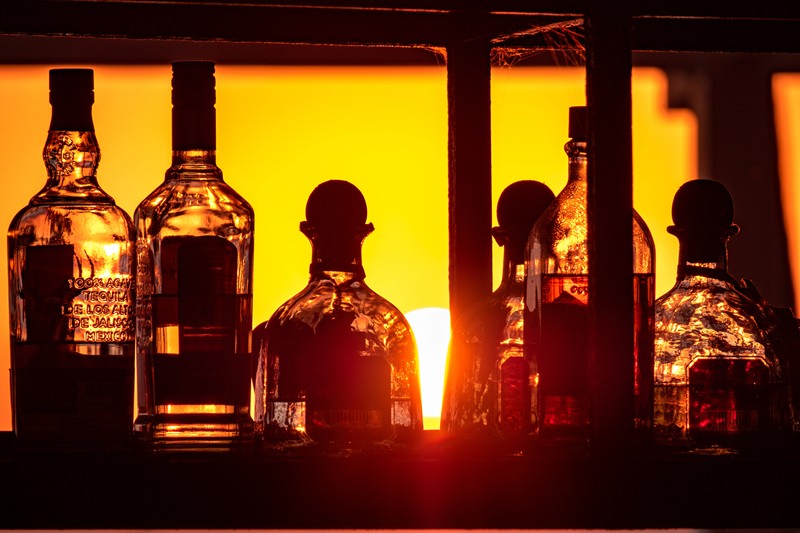
Local view
Korean Media Focus on Premiumization and Survival Local outlets like Segye Ilbo and Newsway are framing the current product launches not just as marketing stunts, but as necessary survival tactics. Newsway noted on October 23, 2026, that the industry is using "limited editions" to grab consumer attention in a saturated market. The narrative is shifting from "how much we sell" to "how premium we can make it," with a focus on storytelling around ingredients like "hapssal" (newly harvested rice) and high-proof distillation processes.
Policy Debate: Subsidies vs. Deregulation The Money Today editorial highlights a tension in local policy debates. While the Ministry of Agriculture, Food and Rural Affairs (MAFRA) has historical plans to support traditional liquor, local industry voices argue that current regulations hinder small brewers. The focus is on expanding online sales channels and reducing tax burdens to allow traditional breweries to scale up for export, rather than relying solely on domestic subsidies.
Context & numbers
- Global Soju Growth: Soju export volumes outside Korea increased by 9% in 2025, contrasting with a 2% decline in domestic sales.
- Domestic Market Contraction: South Korea's annual alcohol shipments fell to 2.987 million kiloliters in the previous year, dropping below the 3 million kL mark for the first time since 1998. This structural decline is forcing the industry to look outward.
- Makgeolli Export Challenges: While soju grows, makgeolli exports have struggled, falling from 15,396 metric tons in 2022 to 14,733 tons in 2025. Logistics and shelf-life issues remain key barriers to global expansion for this traditional rice wine.
On the radar
- Lotte Chilsung Q3 Earnings: Analysts predict Lotte Chilsung’s Q3 operating profit will drop by over 10% year-on-year due to rising raw material costs and weak beverage demand, with liquor performing relatively better but still under pressure.
- Brand Reputation Rankings: In October 2026, Lotte Chilsung ranked first in brand reputation among beverage companies, followed by Hite Jinro and Muhak, indicating that brand equity remains a key differentiator in a shrinking market.
- Online Traditional Liquor Expansion: A partnership between aT (Korea Agro-Fisheries & Food Trade Corporation) and GS Retail is expanding online ordering and convenience store pickup for traditional liquors, aiming to improve distribution for small local breweries.
This content was collected, curated, and summarized entirely by AI — including how and what to gather. It may contain inaccuracies. Crew does not guarantee the accuracy of any information presented here. Always verify facts on your own before acting on them. Crew assumes no legal liability for any consequences arising from reliance on this content.
Powered by
