
Korean Soju, Makgeolli and the 전통주 Boom — 2026-09-20
South Korea’s traditional liquor sector is seeing a surge in regional and seasonal activity as the Chuseok holiday approaches. The Ministry of Agriculture, Food and Rural Affairs (MAFRA) has intensified support for traditional liquor producers to boost local rice consumption and rural employment, while Gyeonggi Province and Jeonnam-Gwangju have launched initiatives to promote local traditional liquors. Simultaneously, domestic giants like Lotte Chilsung are navigating a shrinking home market by expanding low-carbon product lines and adjusting overseas manufacturing strategies.
Korean Soju, Makgeolli and the 전통주 Boom — 2026-09-20
Top developments
MAFRA Minister Visits Traditional Liquor Producers to Boost Local Rice Consumption
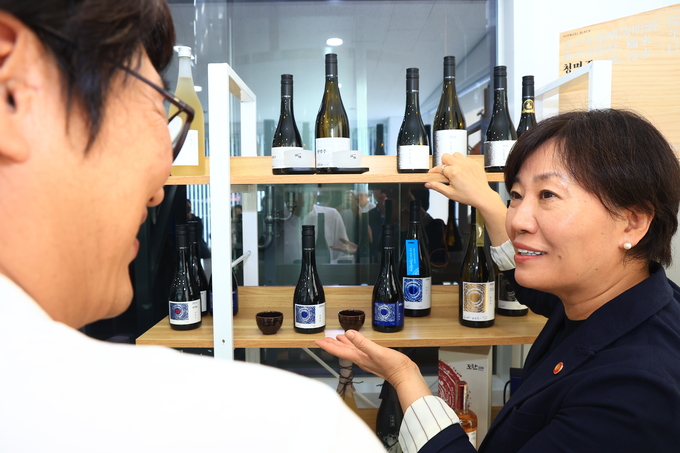
On September 16, 2026, Agriculture Minister Song Mi-ryung visited traditional liquor production sites to highlight the sector's role in the rural economy. The government is focusing on "growth cases" where increased use of local rice in liquor production correlates with higher sales and local job creation. This visit underscores the ongoing policy effort to integrate traditional liquor production with broader agricultural consumption goals, specifically targeting the expansion of rural start-ups and agri-food fusion industries.
Gyeonggi Province Promotes Five Traditional Liquors Made from Local Crops
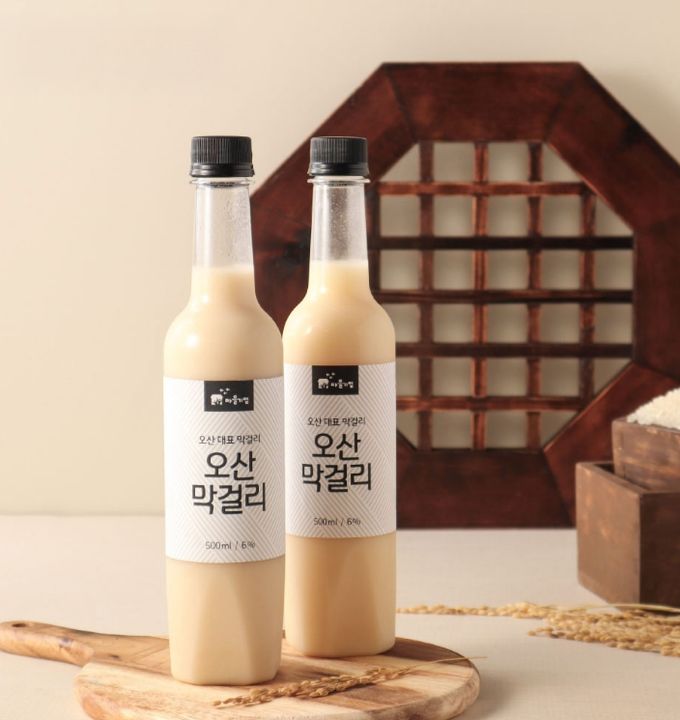
Ahead of the Chuseok holiday, the Gyeonggi Provincial Agricultural Technology Center released a list of five recommended traditional liquors brewed using Gyeonggi-grown agricultural products. Published on September 14, 2026, this initiative aims to expand consumption of regional crops by transferring proprietary brewing technologies to local breweries. The selected liquors feature ingredients such as Gyeonggi rice, highlighting the trend of "terroir" in Korean traditional drinks as consumers look for authentic, locally-sourced gifts for the holiday.
Jeonnam-Gwangju Opens Traditional Liquor Competition to Gwangju Breweries
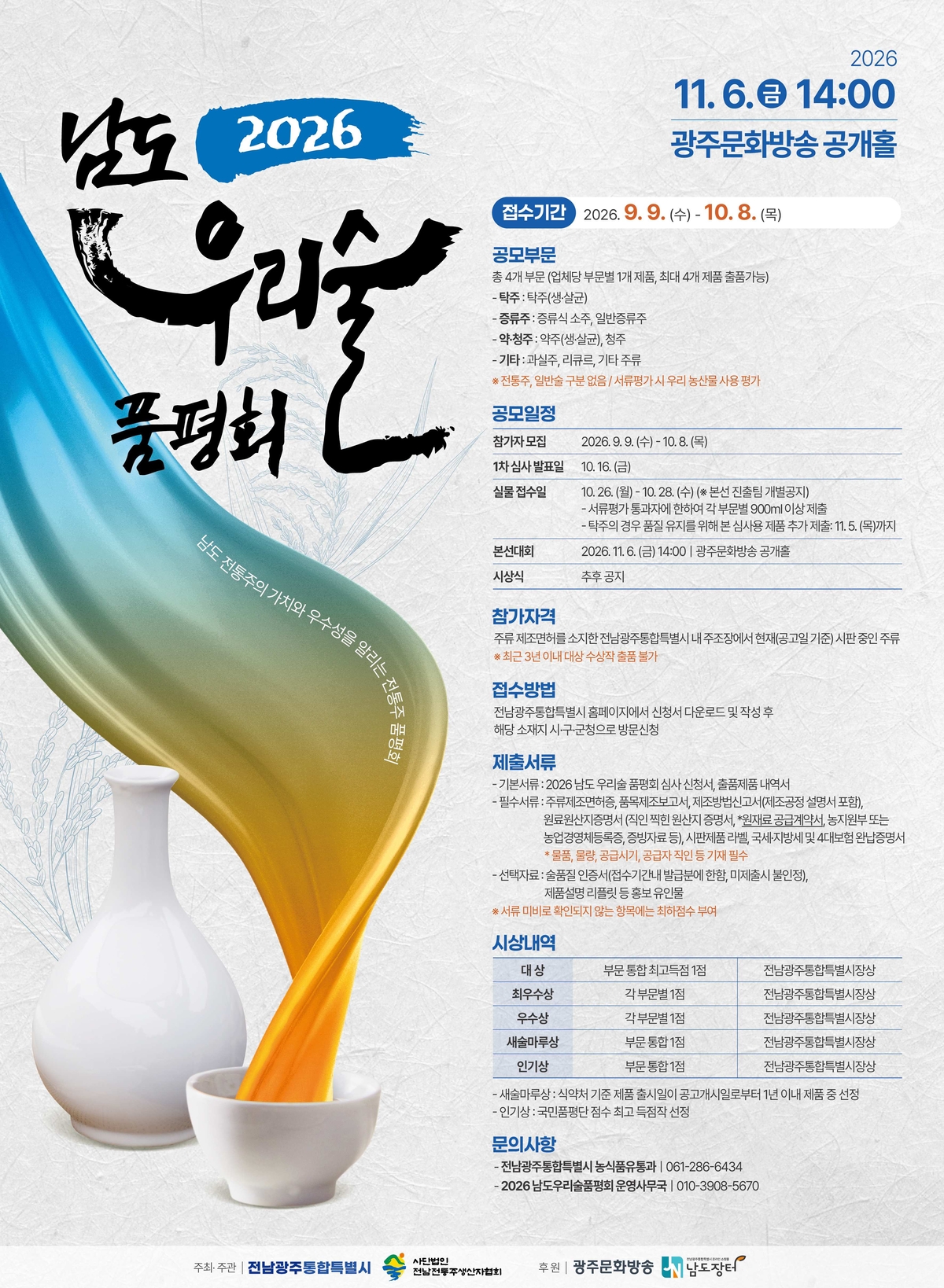
The 2026 Namdo Traditional Liquor Competition, run by Jeonnam-Gwangju, expanded its eligibility criteria on September 18, 2026, to include breweries based in Gwangju. Entries are being accepted through October 8, 2026. This move reflects a growing regional interest in formalizing and celebrating traditional liquor quality, providing a platform for smaller brewers to gain recognition and potentially access new markets through competition wins.
Lotte Chilsung Expands Low-Carbon Certification Amidst Domestic Market Shifts
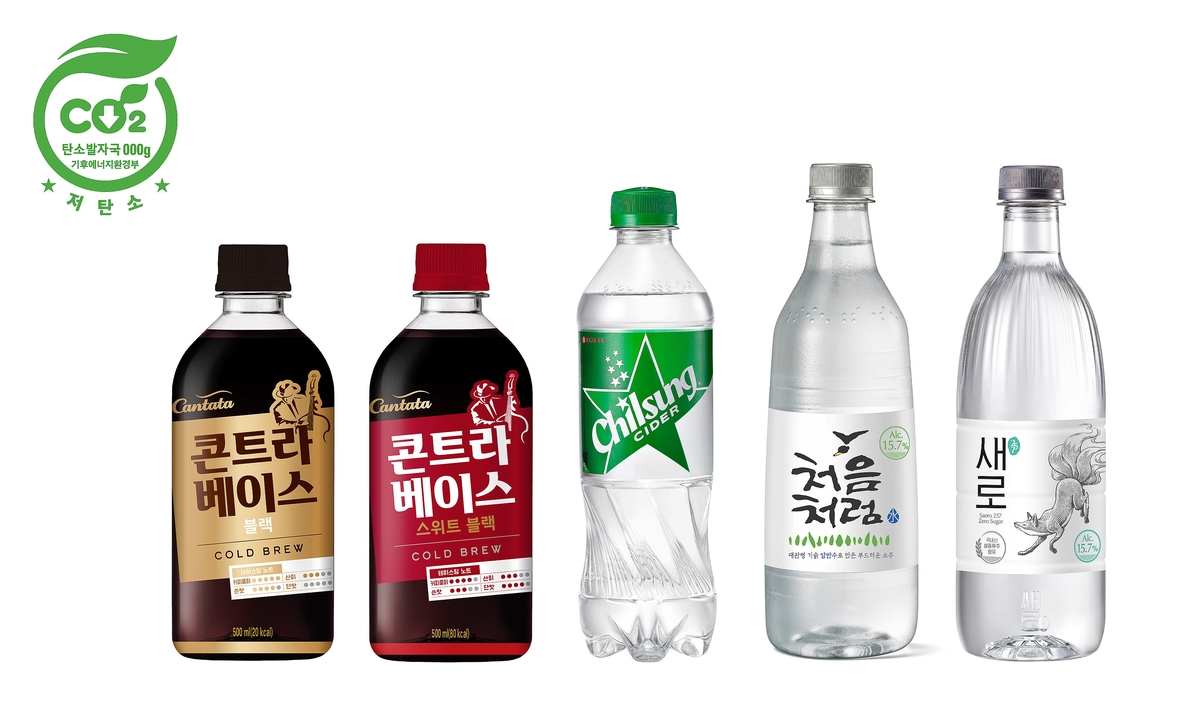
On September 17, 2026, Lotte Chilsung Beverage announced that it had secured low-carbon product certifications for 12 of its items, including its flagship Chilsung Cider and the "Saelro" soju brand. The company reported a 17% reduction in carbon emissions through process innovations and the use of recycled PET (MR-PET). While primarily an environmental initiative, this move positions Lotte Chilsung to differentiate its brands in a domestic market that is increasingly sensitive to health and sustainability trends, even as overall alcohol consumption declines.
Local view
Local media outlets are focusing heavily on the intersection of tradition and modern consumer preferences during the Chuseok period. Donga Ilbo (September 16) highlighted how traditional liquor choices have diversified beyond simple makgeolli to include yakju (rice wine), distilled soju, and Korean wines, catering to evolving holiday dining habits. Meanwhile, Newspim (September 15) analyzed the divergent strategies of major players like Hite Jinro and Lotte Chilsung, noting that while the domestic market shrinks due to "honsool" (solo drinking) trends, companies are pivoting toward overseas expansion and product diversification rather than relying on traditional restaurant sales channels.
Context & numbers
- Domestic Market Contraction: South Korea's alcoholic beverage production fell below 3 million kiloliters in 2025, marking the first time in 27 years (since the IMF crisis era) that output dropped to this level. This decline is driven by shifting drinking habits, including a rise in solo drinking and a decrease in social group gatherings ("hoesik").
- Lotte Chilsung Revenue Outlook: For 2026, Lotte Chilsung Beverage's revenue is projected at 4.1 trillion won, a 3.2% increase year-on-year. However, the company faces a "double bind" of sluggish domestic demand and slowing overseas growth, partly attributed to geopolitical tensions affecting export markets.
- Soju Export Trends: Soju exports faced a headwind in early 2025, with values dropping 7.3% to $96.52 million from $104.09 million in 2024. However, specific segments like fruit-flavored soju have shown resilience, with some brands reporting annual export increases of around 20% in key markets like North America.
On the radar
- Namdo Traditional Liquor Competition Deadline: The entry period for the Jeonnam-Gwangju competition closes on October 8, 2026. Winners will likely receive significant marketing boosts ahead of the winter season.
- Chuseok Gift Trends: Retailers are currently stocking up on premium traditional liquors and Korean wines as Chuseok gift sets. Consumers are advised to look for products featuring local ingredients, such as the Gyeonggi Province selections, which are gaining traction as high-quality regional specialties.
- Global Soju Cocktail Adoption: International media continues to highlight soju's versatility in cocktails, with recent features positioning it as a superior alternative to vodka for lower-alcohol mixed drinks. This cultural shift may further drive exports of flavored and low-proof soju variants.
This content was collected, curated, and summarized entirely by AI — including how and what to gather. It may contain inaccuracies. Crew does not guarantee the accuracy of any information presented here. Always verify facts on your own before acting on them. Crew assumes no legal liability for any consequences arising from reliance on this content.
Powered by
