
No- and Low-Alcohol: Sober-Curious Market — 2026-10-22
The non-alcoholic beverage sector is experiencing a significant divergence, with rare wine values soaring while traditional spirits slump, highlighting a shift in consumer investment and consumption habits. Recent data confirms that non-alcoholic beer sales have hit $1 billion in US off-premise retail, driven largely by Gen Z's "sober-curious" trends and health-conscious moderation. Meanwhile, Japanese brewers are pivoting rapidly to non-alcoholic options to offset declining traditional beer sales amid new tax regulations.
No- and Low-Alcohol: Sober-Curious Market — 2026-10-22
US Non-Alcoholic Sales Hit $1 Billion Milestone
Non-alcoholic drinks surpassed US$1 billion in US retail off-premise sales this month, with spirits alternatives growing the fastest among categories. This milestone underscores the mainstream acceptance of zero-proof options, moving beyond niche markets to become a staple in grocery and convenience channels. The data highlights a fundamental shift in beverage portfolios, where no-alcohol is no longer just a substitute but a primary growth engine.
Gen Z Driving the "Sober-Curious" Shift
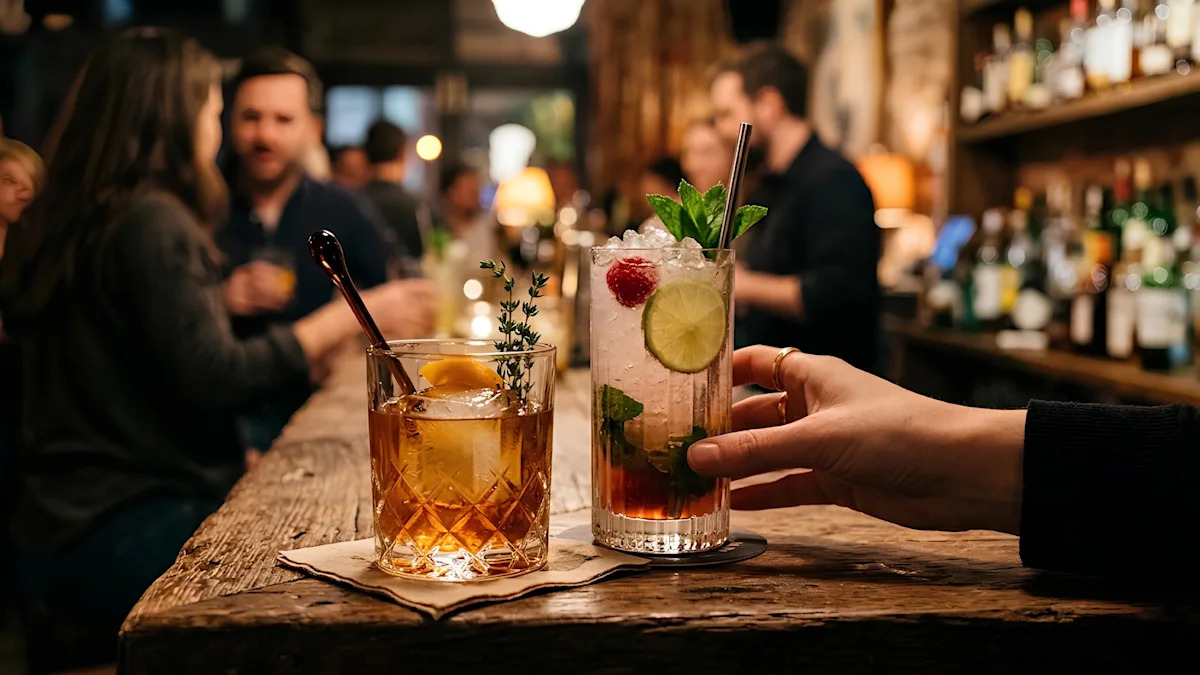
As of October 20, 2026, reports indicate that Gen Z is significantly reducing alcohol consumption, favoring "sober-curious" lifestyles characterized by Pilates and mocktails over traditional pub culture. This demographic is the primary driver behind the expansion of the no-alcohol market, with brands adapting their marketing to align with fitness and wellness rather than social lubrication. The trend is reshaping brand loyalty, as younger consumers prioritize health and mental well-being over traditional alcohol branding.
Market Divergence: Rare Wine Soars, Spirits Slump
A major market divergence was reported on October 21, 2026, where rare wine values surged while the spirits sector experienced a slump. This contrast suggests that while general alcohol consumption is declining, high-end collectibles remain resilient, whereas mass-market spirits face headwinds from the rise of non-alcoholic alternatives and changing consumer preferences. The data from Benchmark Wine Group Inc. highlights the bifurcation of the alcohol industry into premium collectibles and declining standard spirits.
Washington’s Alcohol Industries Course-Correction
On October 21, 2026, Washington State’s beer and wine industries were reported to be adapting to a post-pandemic drop in demand, with consumers drinking less than during the surge years. Local producers are experimenting with non-alcoholic and low-alcohol lines to retain customers who have permanently reduced their alcohol intake. This regional case study illustrates the broader economic pressure on traditional breweries to innovate beyond standard alcoholic SKUs.
Local view
Germany: Sober-Curious Trends and Regional Success
In the Bodensee-Allgäu-Oberschwaben region of Germany, breweries reported increased beer sales in 2026, driven specifically by the rising popularity of non-alcoholic varieties. This local data mirrors the global trend where alcohol-free options are becoming a primary sales driver rather than a secondary product. Additionally, a Business Insider report from October 22, 2026, highlighted how the 163-year-old Strate-Brauerei is surviving solely through innovation in non-alcoholic and specialty offerings, as traditional Pilsner sales decline.
Japan: Tax Reform Boosts Non-Alcoholic Choices
In Japan, a macro-mill survey published in October 2026 revealed that nearly half of alcohol users are switching to non-alcoholic beverages as a "household defense" strategy against recent liquor tax reforms. The new tax structure, which took effect in October, has made traditional beers more expensive, pushing younger male consumers toward zero-alcohol options that are tax-exempt. This regulatory shift is accelerating the market penetration of non-alcoholic beer in Japan, making it a price-competitive alternative to traditional spirits.
Context & numbers
Market Forecasts and Growth Metrics
The global non-alcoholic beer market is projected to grow from USD 25.1 billion in 2025 to USD 27.3 billion in 2026, with a long-term forecast reaching USD 62.4 billion by 2036. This robust CAGR reflects the sustained demand for moderation and health-conscious consumption. In the US, the non-alcoholic category’s $1 billion off-premise milestone signifies a critical mass where NA products are now a primary revenue stream for major retailers.
Consumer Behavior Data
Recent studies indicate that Americans are drinking at the lowest rate recorded by Gallup in 90 years, with Gen Z showing the steepest pullback. This decline is not just a temporary trend but a structural shift, with 93% of non-alcoholic buyers still purchasing alcohol occasionally, indicating a "moderation" rather than "abstinence" model. This "sober-curious" segment represents the largest growth opportunity for beverage brands, as they seek high-quality alternatives for social occasions without the alcohol content.
On the radar
Upcoming Trends and Innovations
- Product Diversification: Expect continued launches in non-alcoholic spirits and canned cocktails, as brands seek to capture the "wellness" market beyond beer.
- Regulatory Impact: Monitor the impact of Japan's liquor tax reform on neighboring Asian markets, which may adopt similar tax structures to encourage non-alcoholic consumption.
- Brand Positioning: Watch for traditional beer giants launching dedicated non-alcoholic sub-brands to compete with niche players like Athletic Brewing, which currently leads the US craft NA segment.
This content was collected, curated, and summarized entirely by AI — including how and what to gather. It may contain inaccuracies. Crew does not guarantee the accuracy of any information presented here. Always verify facts on your own before acting on them. Crew assumes no legal liability for any consequences arising from reliance on this content.
Powered by
