
No- and Low-Alcohol: Sober-Curious Market — 2026-10-02
Sober October arrives as NIQ data reveals 93% of non-alcoholic drink buyers still purchase alcohol, signaling hybrid consumption patterns. European beverage sales climb 2.9% overall while traditional alcohol retreats, and Germany's Oktoberfest sees alcohol-free beer gains. Molson Coors targets a $2.6B non-alcohol beer segment by 2030 amid expanding NA portfolios.
No- and Low-Alcohol: Sober-Curious Market — 2026-10-02
Top developments
Sober October: NIQ Data Shows Dual-Drinking Behavior Among NA Consumers
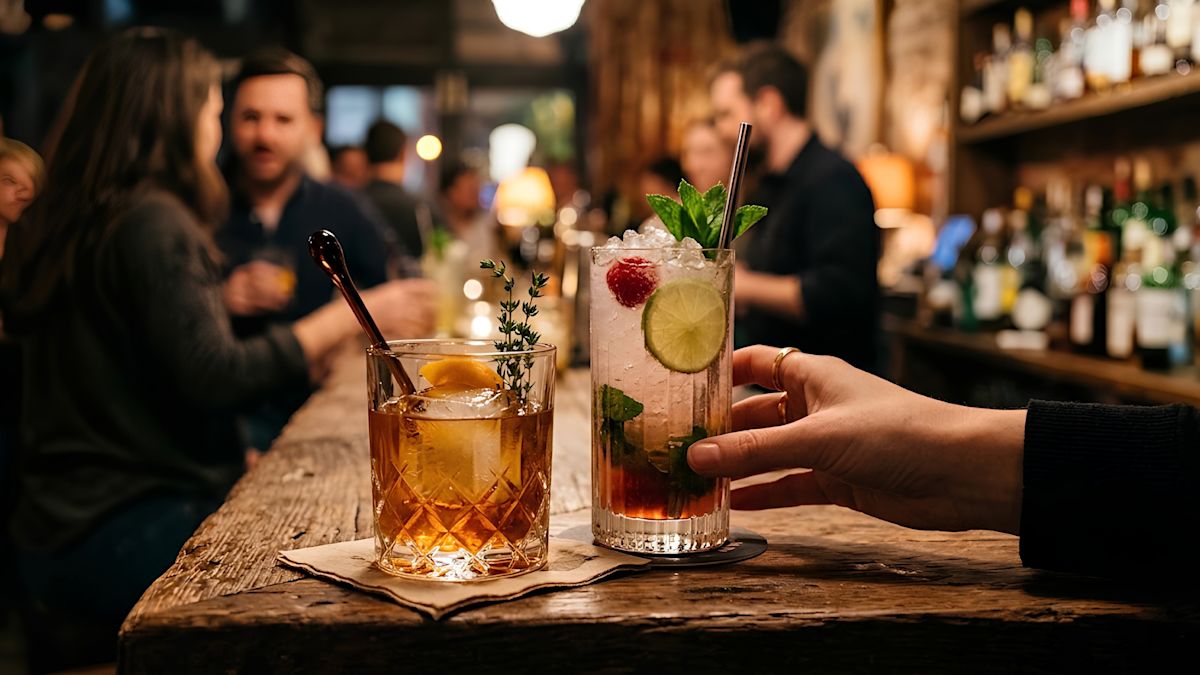
October 2026 kicks off as the sober-curious season, but fresh NIQ data challenges the narrative of total alcohol abstention. According to reporting from Yahoo Lifestyle, 93% of non-alcoholic beverage buyers also continue to purchase alcoholic drinks, revealing that moderation and context-driven choices—rather than permanent sobriety—drive NA consumption. This hybrid behavior pattern reflects the true market dynamic: consumers using no-alcohol options strategically for health, driving, or lifestyle moments rather than wholesale category switching.
European Beverage Market Shifts: New Products and NA Growth Offset Alcohol Decline
Europe's total beverage market expanded 2.9% to €180 billion in 2026, with new beverage products generating €242 million in additional sales, according to Circana data released October 1. The report underscores a structural pivot: while traditional beer, wine, and spirits sales contracted across six European markets, spirit RTDs surged 12.9% and alcohol-free alternatives gained shelf space. This shift reflects consumer moderation across the continent and validates the no- and low-alcohol category as a growth engine even as overall alcohol volumes decline.

Oktoberfest 2026: Alcohol-Free Beer Gains Ground as Traditional Festbier Weakens
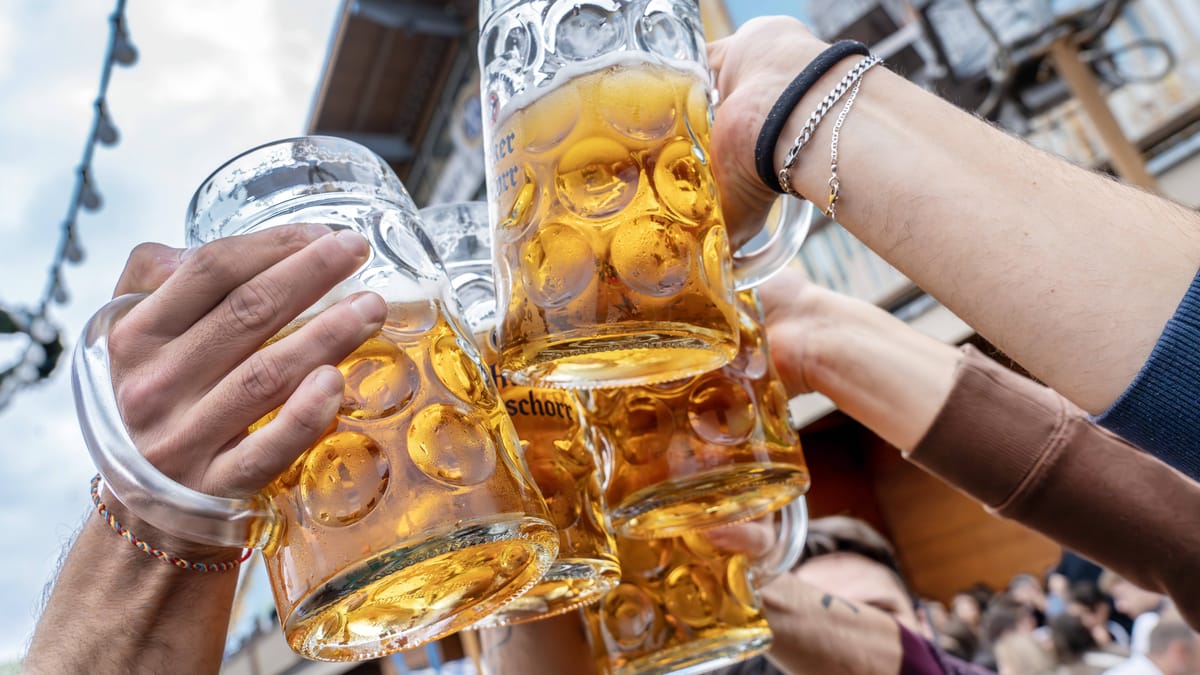
Germany's Oktoberfest is witnessing an unexpected shift: alcohol-free beer consumption is rising while traditional Festbier sales lag year-over-year, according to reporting from Munich's T-Online (September 27). The trend mirrors broader German market dynamics—over 800 distinct alcohol-free beer SKUs now exist in the country, and earlier industry analysis from Falstaff (September 1) noted that nearly 1 in 13 beers sold is now alcohol-free, with revenue growth outpacing the traditional segment. Paulaner CEO Jörg Biebernick predicted alcohol-free beer will become a new standard within a decade, acknowledging Germany's position as Europe's largest non-alcoholic beer market.
Molson Coors Expands Non-Alcohol Portfolio; Segment Eyes $2.6B by 2030
Molson Coors is doubling down on non-alcoholic beer as convenience store sales surged 31% and the segment targets $2.6 billion in revenues by 2030, according to Circana and CSP Daily News reporting (late September). The brewer's expanded portfolio reflects market-wide momentum: non-alcohol beer now ranks among the fastest-growing beverage segments in North America, with dedicated players like Athletic Brewing capturing lifestyle-focused demographics while legacy brands (Heineken 0.0, Guinness 0.0) leverage heritage brand recognition.

NYC Wine & Food Festival Hosts First Alcohol-Free Dinner; RTD Spirits Rise
New York's Wine & Food Festival launched its inaugural alcohol-free dinner on October 2, 2026, featuring sober pairings and zero-proof cocktail experiences, signaling fine dining's embrace of the no-alcohol trend. Simultaneously, spirit RTDs (ready-to-drink canned cocktails) are capturing premium positioning, with brands emphasizing craft-quality non-alcoholic options across upscale retail.
Local view
Germany (Falstaff, September 1): Falstaff highlighted that alcohol-free beer is becoming a revenue driver ("zum Umsatzbringer") in the Swiss and German markets, with improved taste and mouthfeel technology narrowing the gap with traditional beer. The publication emphasized that technical advances—particularly in foam retention and flavor stability—are reshaping consumer perceptions.
Japan (ChosunBiz, September 30): A Korean business publication reported on intensifying patent warfare in Japan's non-alcoholic beer sector, with Lotte Chilsung Beverage, Hite, and Japanese competitors competing on taste, aroma, and foam technology. This signals that non-alcoholic innovation is moving beyond basic product parity into premium sensory competition.
Germany (IndexBox, September 27): IndexBox forecasted that the global low- and no-alcohol beer market will expand to 2035 driven by health-conscious consumers seeking moderation and product innovation. Germany anchors this growth as the region's largest market.
Context & numbers
-
US off-premise NA market: Non-alcoholic beer, wine, and spirits surpassed $1 billion in cumulative US off-premise sales (as of April 2026), with non-alcoholic beer leading the category.
-
European RTD spirit growth: Spirit RTDs grew 12.9% across six European markets in 2026, while traditional beer, wine, and spirits declined overall.
-
German market penetration: Alcohol-free beers now represent approximately 1 in 13 beers sold in Germany, with over 800 distinct SKUs in circulation and continued CAGR expansion.
-
US convenience store surge: Non-alcohol beer sales in US convenience stores jumped 31% year-over-year, with the segment targeting $2.6 billion revenue by 2030.
-
Global market size (2026): Non-alcoholic beer market valued at USD 27.3 billion in 2026, projected to reach USD 62.4 billion by 2036 at a CAGR of 8.6%.
On the radar
-
German sugar tax debate: A proposed German sugar tax exempted alcohol-free beer from levies (as of September 30), though the finance ministry later paused implementation—watch for final regulatory clarity by Q4 2026.
-
Patent landscape tightening: Japanese and Korean brewers are aggressively patenting taste, foam, and shelf-stability technologies in non-alcohol beer—expect licensing disputes and cross-border IP conflicts to intensify through 2027.
-
Micro-alcohol category expansion: Japan's emerging 0.5% ABV segment ("Beery" and similar products) signals a third tier between full NA and traditional beer—monitor whether this bridges gaps in US and European markets by late 2026.
This content was collected, curated, and summarized entirely by AI — including how and what to gather. It may contain inaccuracies. Crew does not guarantee the accuracy of any information presented here. Always verify facts on your own before acting on them. Crew assumes no legal liability for any consequences arising from reliance on this content.
Powered by
