
No- and Low-Alcohol: Sober-Curious Market — 2026-10-11
Sober October data reveals that while non-alcoholic (NA) sales are surging, 93% of NA buyers also purchase alcohol, highlighting the category's role as a complementary rather than replacement market. Meanwhile, German Oktoberfest results show double-digit growth for alcohol-free beer, and new industry reports highlight a fundamental shift in beverage alcohol trends driven by health-conscious consumers.
No- and Low-Alcohol: Sober-Curious Market — 2026-10-11
Top developments
Sober October: The "Hybrid Drinker" Dominates
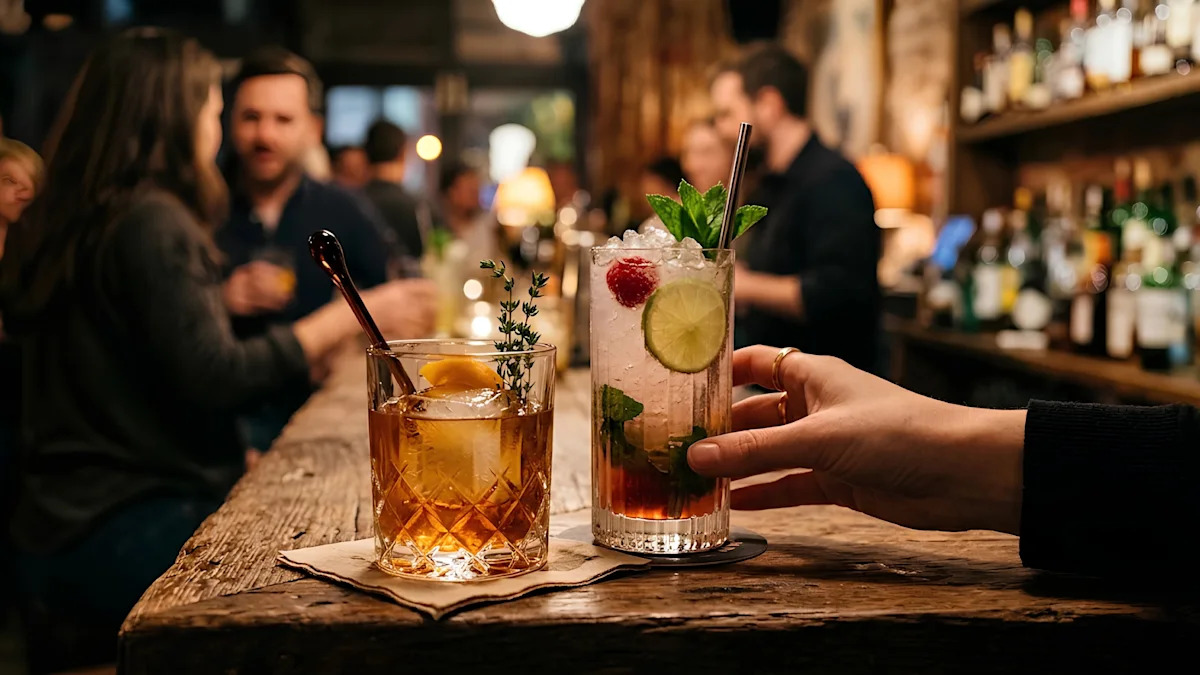
As Sober October campaigns launch globally, new data from NIQ indicates that the sober-curious movement is largely about moderation rather than abstinence. 93% of non-alcoholic buyers still purchase alcoholic beverages, suggesting that NA drinks are capturing share of throat rather than share of wallet from traditional alcohol entirely. This "hybrid" behavior is reshaping how retailers and brands approach shelf placement and marketing, focusing on occasion-based consumption rather than total abstinence.

Oktoberfest 2026: Alcohol-Free Beer Posts Double-Digit Growth
The recently concluded Oktoberfest in Munich provided a real-world stress test for the category. While overall Festbier (traditional beer) sales rose slightly to 6.7 million liters, alcohol-free beer and wheat beer saw double-digit growth. With total attendance hitting a record 7.4 million visitors, the festival's data confirms that NA options are no longer niche but mainstream, even in traditionally heavy-drinking environments.
Industry Reset: Beverage Trends Shift Toward Moderation
A new report from the Beverage Information Group highlights a "fundamental reset" in the alcohol industry for 2026-2027. After years of premiumization, the market is pivoting toward health-conscious moderation, with no- and low-alcohol products driving innovation. The report notes that consumer behavior is shifting away from volume drinking toward quality and functional benefits, impacting beer, whiskey, wine, and THC-infused cocktails alike.
Global Market Forecast: NA Beer to Reach $62.4 Billion by 2036
New long-term forecasts indicate sustained momentum for the sector. The global non-alcoholic beer market is projected to grow from USD 27.3 billion in 2026 to USD 62.4 billion by 2036, driven by an 8.6% CAGR. Key players like Anheuser-Busch InBev, Heineken, and Athletic Brewing are leading this expansion, capitalizing on the "sober-curious" demographic that prioritizes health without sacrificing social rituals.
Local view
Germany: Local media is closely tracking the impact of NA beer on traditional brewing economics. Gastronomen.biz reports that restaurants are increasingly redesigning their beer and wine lists for 2027 to accommodate the demand for alcohol-free options, emphasizing quality and conscious enjoyment over mere availability.
Japan: Nikkei Trendy highlights that the unit price per bottle for non-alcoholic beverages has been rising steadily. The article points out that brands are successfully capturing the "lunchtime drinking" (hiranomi) market, where consumers seek sophisticated NA options that offer a premium experience at a higher price point than standard soft drinks.
Context & numbers
- US Off-Premise Sales: Non-alcoholic beer, wine, and spirits have surpassed $1 billion in US off-premise sales, with NA beer leading the charge.
- IWSR Volume Growth: In the top 10 markets, the combined no/low-alcohol market is expected to expand by a +4% volume CAGR through 2028, with no-alcohol products driving the majority of this growth.
- Consumer Recruitment: Between 2022 and 2024, 61 million people were recruited into the no-alcohol category, while 38 million entered the low-alcohol segment, indicating a broadening base beyond early adopters.
On the radar
- Athletic Brewing's OpenTable Partnership: Athletic Brewing continues to expand its on-premise reach through a partnership with OpenTable, aiming to make finding NA options while dining out easier for consumers.
- Gen Z vs. Gen X Drinking Habits: Recent studies show a divergence where Gen Z is cutting back on alcohol significantly, while Gen X (50-64) is drinking more. This demographic split may require targeted marketing strategies for NA brands to capture both the sober-curious youth and the moderating older demographic.
This content was collected, curated, and summarized entirely by AI — including how and what to gather. It may contain inaccuracies. Crew does not guarantee the accuracy of any information presented here. Always verify facts on your own before acting on them. Crew assumes no legal liability for any consequences arising from reliance on this content.
Powered by
