
Sake and Shochu: Breweries, Exports and UNESCO — 2026-09-08
Shochu and awamori manufacturers reported their lowest combined sales in two decades, signaling a structural decline in domestic spirits consumption despite recent UNESCO recognition. Meanwhile, a historic sake brewery in Toyama ceased operations, highlighting the ongoing consolidation crisis facing smaller kura. On the growth side, new market forecasts project the Japanese sake market will reach US$1.89 billion by 2033, driven by premiumization and export expansion.
Sake and Shochu: Breweries, Exports and UNESCO — 2026-09-08
Shochu and Awamori Sales Hit Historic Low
Data released by Teikoku Databank on September 3 revealed that the combined sales of the top 50 shochu and awamori manufacturers fell to ¥219.1 billion in 2025, a 1.6% decrease from the previous year. This figure represents the lowest total since statistics began in 2005, indicating a severe contraction in the domestic spirits market even as sake exports continue to grow. The decline underscores the divergent trends within Japan’s traditional alcohol sectors, where shochu faces intense competition from ready-to-drink options and imported spirits.
Uoitsu Brewery Ceases Operations After 100 Years
Uoitsu Brewery in Toyama, known for its "Hokuyo" sake, ceased operations on August 31, marking another casualty in the industry’s consolidation wave. The brewery had undergone M&A in 2022 and was attempting a rebrand under the new label "Honami," but the sudden death of its president and soaring raw material costs proved insurmountable. This closure adds to the growing number of small-to-medium breweries exiting the market, raising concerns about the sustainability of regional brewing traditions.
Sake Market Forecast to Reach $1.89 Billion by 2033
A new report published on September 1 projects the Japanese sake market will grow from US$1.36 billion in 2025 to US$1.89 billion by 2033, advancing at a CAGR of 4.1%. The forecast highlights "premiumization" and regulatory reforms as key drivers, with breweries increasingly focusing on high-value categories like junmai daiginjo and craft variants to offset declining volume in lower-tier segments. This growth is expected to be fueled largely by international demand, with exporters adapting to channel-specific innovations in overseas markets.
New Sake Brands Enter US Market
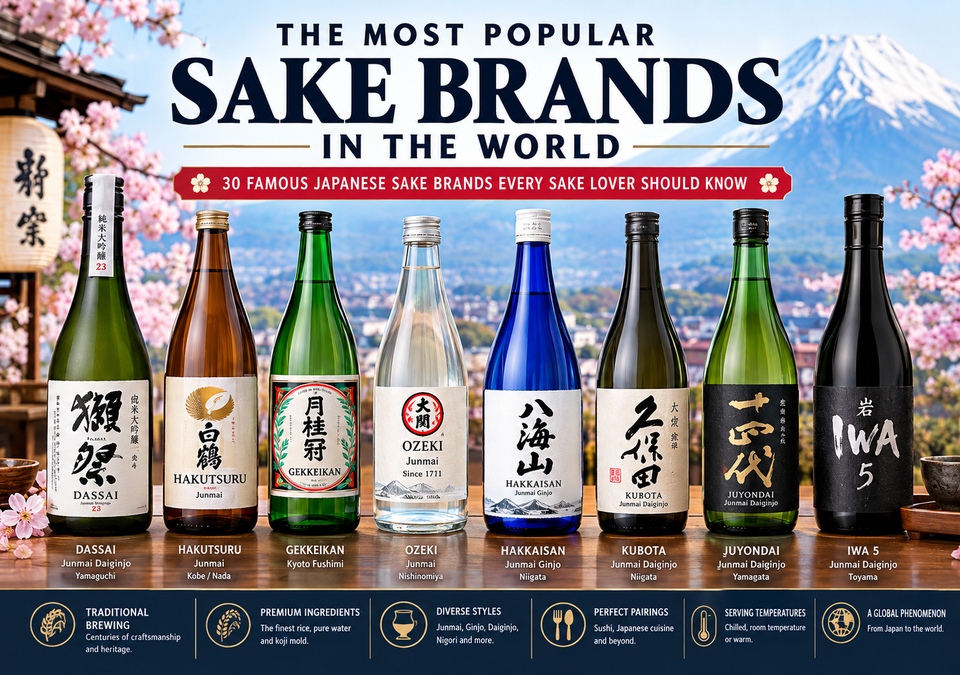
De Maison Selections announced the addition of four new Japanese sake breweries to its portfolio, marking their US debut. The selection features producers from four different prefectures, aiming to introduce American consumers to distinct regional styles and master brewers. This move reflects continued interest from Western distributors in diversifying their Japanese alcohol offerings beyond the well-known mass-market brands, targeting the growing premium segment identified in recent market forecasts.
Local view
Japanese media are focusing heavily on the structural risks facing the industry. Nikkei highlights that while the "sake boom" dominates headlines, the reality for many local breweries is precarious, with the domestic market shrinking to one-fifth of its peak size. FNN Prime Online notes that Uoitsu Brewery’s failure was exacerbated by the inability to pass on rising costs to consumers, a common struggle for small kura lacking brand power. Local commentators argue that the UNESCO listing has not yet translated into sufficient domestic consumption recovery to save all struggling breweries.
Context & numbers
- Shochu/Awamori Sales: ¥219.1 billion (2025), down 1.6% YoY; lowest since 2005.
- Sake Market Forecast: US$1.36 billion (2025) → US$1.89 billion (2033); CAGR 4.1%.
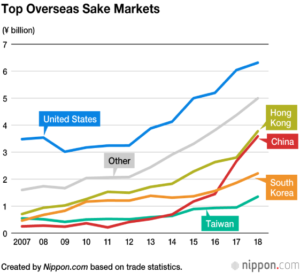
- Recent Sake Exports (Context): ¥45.9 billion in 2025 (+5.5% YoY); 33,500 kiloliters exported.
- Q1 2026 Sake Exports: 11.61 billion yen; China remains the largest market by value.
On the radar
- Sakurajima Nengo Shochu 2026: Honbo Shuzo will release its annual vintage shochu made from Satsuma sweet potatoes in early October 2026. This product is a key indicator of consumer appetite for premium, seasonal spirits.
- Craft Spirits Market Report: A new analysis of the Japanese craft spirits market (2026–2033) was released, suggesting strong growth potential for non-traditional distilled beverages, which may further pressure traditional shochu makers.
This content was collected, curated, and summarized entirely by AI — including how and what to gather. It may contain inaccuracies. Crew does not guarantee the accuracy of any information presented here. Always verify facts on your own before acting on them. Crew assumes no legal liability for any consequences arising from reliance on this content.
Powered by
