
Sake and Shochu: Breweries, Exports and UNESCO — 2026-09-18
Recent developments highlight a stark divergence in the Japanese alcohol market: while sake exports continue to break records, domestic shochu sales have hit historic lows. Local media is focusing on innovative strategies to survive, including new LABO series releases from major distillers and regional trade shows showcasing over 1,000 varieties of awamori and wine.
Sake and Shochu: Breweries, Exports and UNESCO — 2026-09-18
Top developments
Shochu and Awamori Sales Hit Historic Lows in 2025
According to a recent report by Nikkei, the combined sales revenue for the top 50 shochu and awamori companies in 2025 reached its lowest level on record. This decline contrasts sharply with the sake sector, where export values have consistently risen. The data underscores a structural shift in domestic consumption habits, with shochu struggling to maintain relevance among younger demographics despite efforts to rebrand it as a premium spirit.

Okinawa Hosts Massive Liquidity Trade Show Featuring 1,000+ Brands
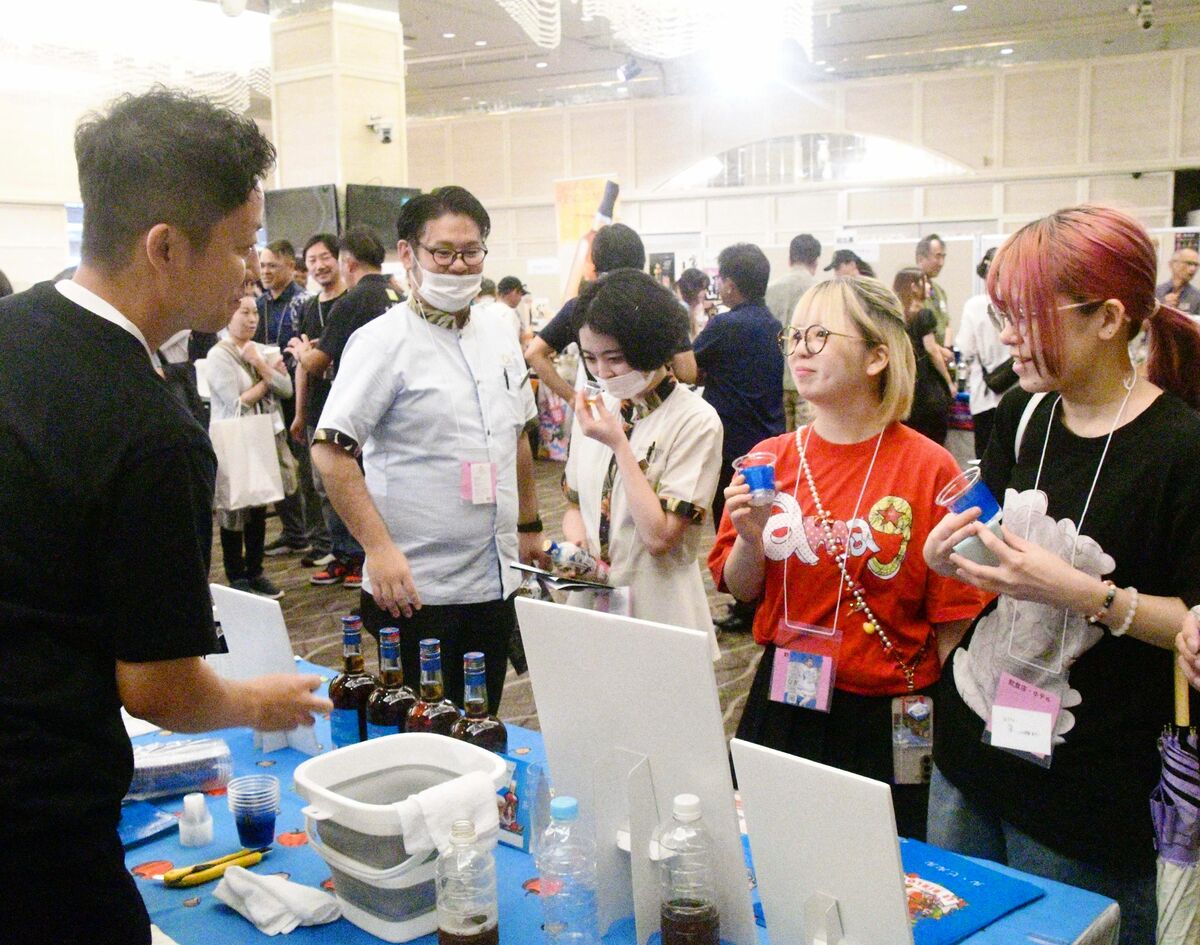
On September 17, 2026, Nanshoku Sake & Liquor, a major wholesaler based in Yomitan Village, Okinawa, hosted a comprehensive trade exhibition at the Royal Hotel Naha. The event featured over 1,000 varieties of alcohol, including awamori, sake, wine, and Western spirits, drawing significant attendance from restaurant operators. This initiative highlights the regional push to revitalize local distilleries by creating direct sales channels with the hospitality industry.
Hamada Shuzo Launches Experimental "Denzo LABO" Series
Hamada Shuzo, a prominent Kagoshima-based distiller, announced the release of its new "Denzo LABO" series just days before the article's publication date. The limited-edition shochu lineup includes experimental flavors such as "ripe banana aroma," "carbonation-specific new sake," and "Oriental Beauty tea honey scent." These innovations aim to differentiate traditional shochu in a saturated market by targeting consumers interested in complex, non-traditional flavor profiles.

Sake Market Forecast Projects Steady Growth Despite Domestic Decline
A new market analysis released in early September 2026 projects that the Japan Sake Market will grow from US$1.36 billion in 2025 to US$1.89 billion by 2033, driven by a CAGR of 4.1%. The growth is attributed to premiumization trends and regulatory reforms, even as domestic consumption remains flat. This forecast suggests that the industry's future lies in high-margin exports and premium domestic products rather than volume-based mass consumption.
Local view
Local stakeholders are grappling with the paradox of international fame versus domestic contraction. Nikkei reports that while "sake boom" headlines dominate overseas markets, many domestic breweries face bankruptcy due to shrinking local demand. Meanwhile, Okinawa Times highlights how local wholesalers are taking proactive steps, such as the recent Naha trade show, to stimulate demand through direct engagement with restaurant owners rather than relying solely on retail channels. The disconnect between the "booming" export narrative and the "crisis" narrative in local business journals like Nikkei BizGate reflects the industry's bifurcation into successful exporters and struggling domestic producers.
Context & numbers
- Shochu/Awamori Sales: The top 50 companies' combined sales in 2025 hit their lowest recorded level, signaling severe domestic pressure.
- Sake Market Size: Projected to reach US$1.89 billion by 2033, up from US$1.36 billion in 2025.
- Trade Show Scale: The recent Okinawa exhibition featured 105 companies and over 1,000 alcohol varieties, indicating robust wholesale activity despite broader market challenges.
On the radar
- IWC 2026 Premium Sake Tasting: An upcoming event on October 17 will feature award-winning sakes from the International Wine Challenge, offering a glimpse into the top-tier export market.
- Sake Park 7-Cup Event: Scheduled for November 13, this event will gather 28 breweries and brewing facilities, potentially highlighting new domestic consumer engagement strategies.
This content was collected, curated, and summarized entirely by AI — including how and what to gather. It may contain inaccuracies. Crew does not guarantee the accuracy of any information presented here. Always verify facts on your own before acting on them. Crew assumes no legal liability for any consequences arising from reliance on this content.
Powered by
