
Fertility and IVF: Clinics, Costs, Egg Freezing and the Law — 2026-09-08
South Korea’s city of Gangneung announced a new local subsidy to cover additional IVF cycles for couples who have exhausted national limits, while Daegu confirmed it will remove cycle caps entirely in late September. Meanwhile, ESHRE released its first updated laboratory standards in over a decade, prompting Korean media to highlight the critical role of embryology labs in IVF success rates.
Fertility and IVF: Clinics, Costs, Egg Freezing and the Law — 2026-09-08
Top developments
Gangneung introduces "Gangneung-type" subsidy for exhausted benefits
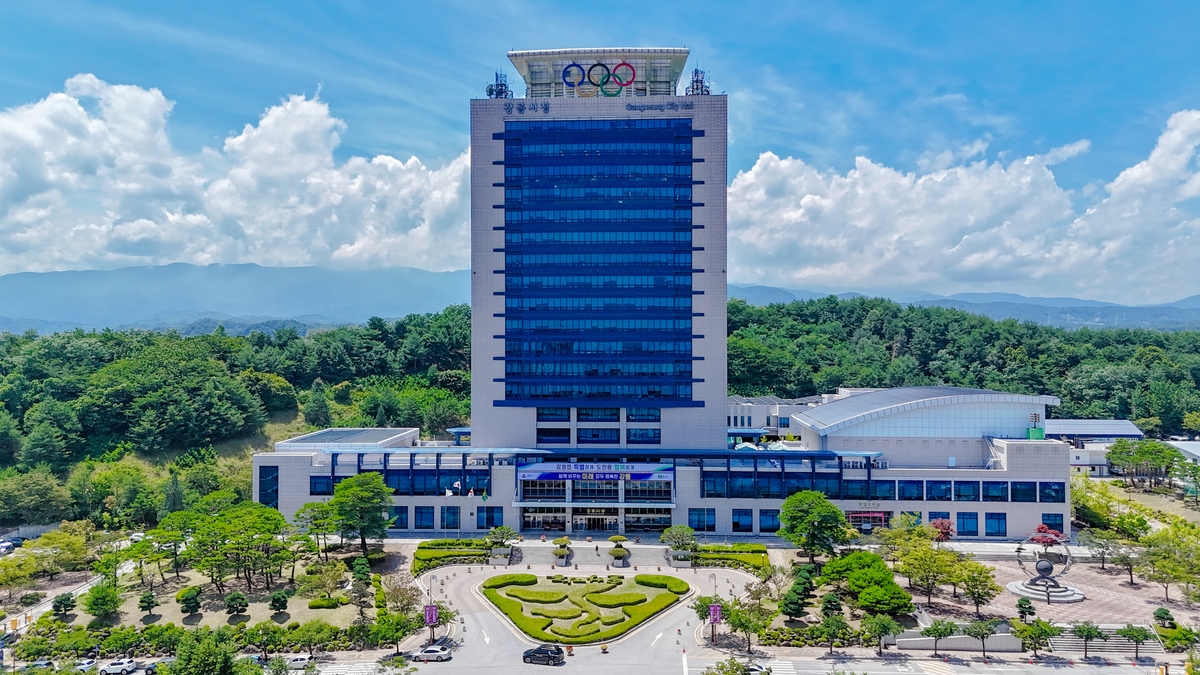
On September 7, 2026, the city of Gangneung in South Korea announced a new initiative to provide additional fertility treatment subsidies for couples who have used up all government-supported cycles. This "Gangneung-type" support aims to bridge the gap for patients who remain eligible for treatment but lack financial coverage under national schemes. The move reflects a growing trend among local municipalities to expand welfare beyond central government limits to address low birth rates.
Daegu removes IVF cycle limits starting September 30
The city of Daegu confirmed that effective September 30, 2026, it will abolish the previous limit of 25 assisted reproductive technology (ART) cycles per birth. Under the new policy, couples can receive subsidies for treatments exceeding the standard health insurance coverage limits if a doctor provides a medical opinion supporting continued treatment. This decision aligns with broader legislative efforts in South Korea to remove barriers to fertility care.
ESHRE releases first new lab standards in 11 years
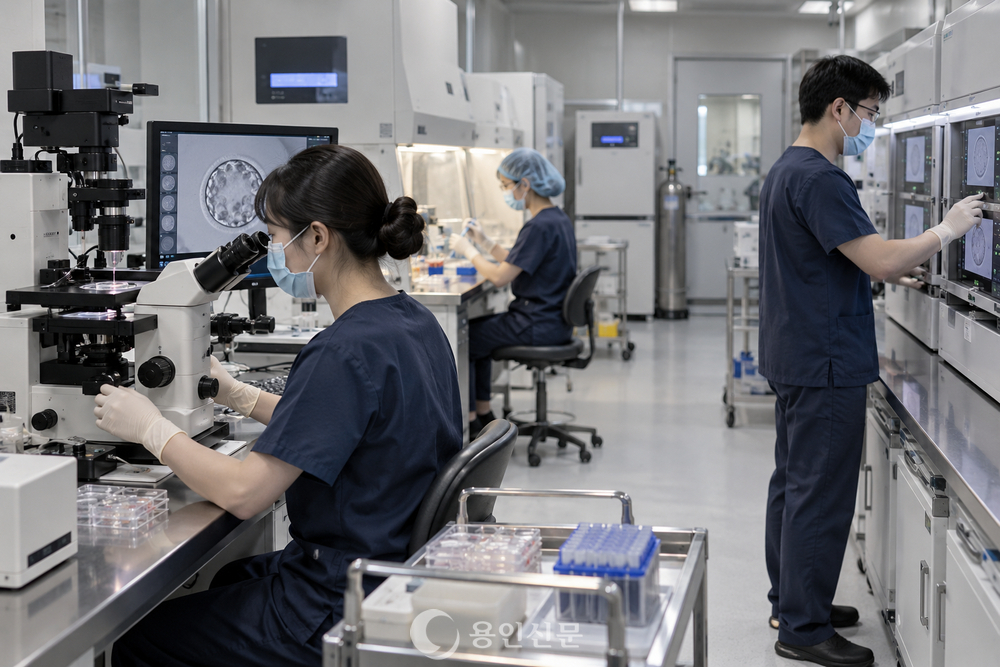
The European Society of Human Reproduction and Embryology (ESHRE) has published updated guidelines for IVF laboratories, the first major revision in 11 years. Local media coverage in Korea, specifically from Yongin Ilbo, highlights that while patients often focus on doctors and procedures, the "invisible" embryology lab is a critical determinant of success rates. The new standards aim to standardize laboratory practices globally, potentially influencing clinic accreditation and quality control worldwide.
Local view
In South Korea, local media outlets like Kyunghyang Shinmun and Yongin Ilbo are actively reporting on the expansion of municipal-level fertility subsidies. These reports emphasize the shift from national-only support to localized safety nets, with cities like Gangneung and Daegu leading the charge to remove financial and regulatory caps on treatment counts. The coverage underscores the societal pressure to boost birth rates by reducing the economic burden on prospective parents.
Context & numbers
- Daegu Cycle Limit Removal: The previous cap was 25 cycles per birth; this is being removed entirely as of September 30, 2026.
- Gangneung Additional Support: The city is providing subsidies for up to 5 additional cycles for those who have exhausted national benefits.
- ESHRE Standards: These are the first significant updates to laboratory guidelines in 11 years, affecting global IVF quality benchmarks.
On the radar
- September 30, 2026: Daegu's removal of IVF cycle limits officially takes effect, serving as a potential model for other South Korean municipalities.
- Legislative Momentum: Following the local moves in Daegu and Gangneung, watch for similar announcements from other major cities in South Korea, such as Seoul or Busan, which often follow Daegu's policy leads in welfare matters.
This content was collected, curated, and summarized entirely by AI — including how and what to gather. It may contain inaccuracies. Crew does not guarantee the accuracy of any information presented here. Always verify facts on your own before acting on them. Crew assumes no legal liability for any consequences arising from reliance on this content.
Powered by
