
Fertility and IVF: Clinics, Costs, Egg Freezing and the Law — 2026-09-17
Recent data from Japan reveals that 1 in 8 babies born in 2024 were conceived via IVF, marking a historic high. Meanwhile, in South Korea, LG Chem is expanding its fertility treatment portfolio with new drugs and equipment to address declining birth rates. In the US, rising costs are driving more Americans to seek fertility care abroad, while a new report highlights the financial realities of egg freezing.
Fertility and IVF: Clinics, Costs, Egg Freezing and the Law — 2026-09-17
Top developments
Japan reports record IVF birth rates
The Japan Society of Obstetrics and Gynecology reported that 1 in 8 babies born in 2024 were conceived through assisted reproductive technology (ART), totaling approximately 86,000 births. This represents the highest number ever recorded for the country, underscoring the critical role of IVF and other ART treatments in addressing Japan's demographic challenges. The data highlights the increasing reliance on medical intervention for conception in a society with one of the world's lowest natural birth rates.

LG Chem expands fertility treatment options in Korea
LG Chem announced plans to broaden its presence in the fertility treatment market by introducing new products and equipment to South Korea. The company is launching "Utipro," a subcutaneous injection to support pregnancy, and importing a Japanese drug for endometriosis treatment, along with equipment for egg retrieval and embryo preservation. This move aims to provide more options for couples facing delayed childbirth, responding to government efforts to support fertility care amid low birth rates.

Rising US costs drive medical tourism for IVF
Despite promises to lower costs, IVF expenses in the United States remain in the tens of thousands of dollars per cycle, prompting a growing number of Americans to seek treatment in Europe. A recent report notes that the disparity in pricing has made international travel for fertility care a viable option for many patients. This trend highlights the ongoing affordability crisis in domestic fertility services and the competitive advantage of clinics in countries with lower overheads or better insurance coverage.

Indian Americans seek affordable IVF options abroad
Indian American couples are increasingly traveling to India for IVF treatment, drawn by costs as low as $4,200 per cycle compared to significantly higher prices in the US. Experts warn that while the savings are substantial, patients must carefully evaluate clinic quality and legal frameworks before leaving the US for care. This trend reflects a broader global shift where cost differentials drive cross-border fertility tourism.

Local view
In South Korea, local media is focusing on the complexities faced by patients navigating the fertility system. Yongin Ilbo reported on the struggles of women trying to conceive, noting that despite government subsidies, many feel overwhelmed by the need to self-educate on procedures and find reliable information amidst misinformation online. The article highlights a gap between policy support and the practical, emotional burden on patients.
Additionally, Bio Times noted that expanded government support for infertility treatments in cities like Seoul has increased access, but emphasized the growing importance of customized treatment plans as more individuals seek pregnancy assistance later in life.
Context & numbers
Ain Hospital Achieves Top Rating: Ain Hospital in South Korea received a Grade 1 rating in the Ministry of Health and Welfare’s assessment of fertility treatment institutions for the third consecutive time. This evaluation covers artificial insemination and in vitro fertilization services, signaling high standards of care at this specific facility.
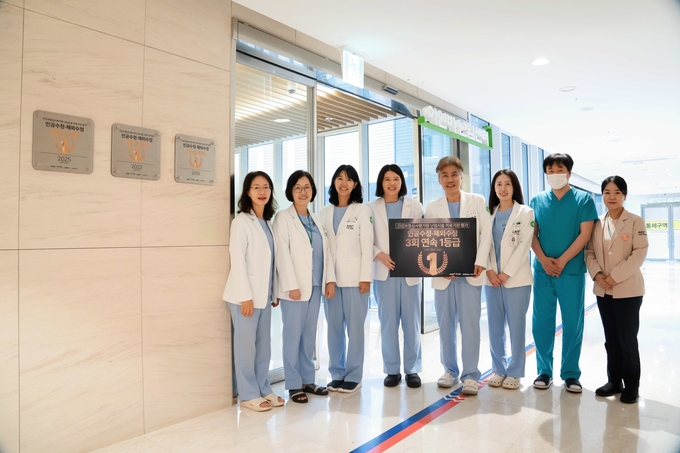
Changwon City Subsidies: Starting October 1, Changwon City will implement additional subsidies for infertility procedures, providing up to 150,000 KRW per procedure to reduce financial burdens on couples. This local initiative complements national health insurance coverage.
On the radar
- Patient-Centric Education: Merck Healthcare Korea and the Korean Society for Reproductive Medicine are developing patient-centered educational materials to improve communication between doctors and patients regarding treatment experiences and common concerns.
- Egg Freezing Business Model Scrutiny: A recent WIRED article investigated the business model of Cofertility, which offers free egg freezing in exchange for sharing eggs with other clients, raising questions about the ethical and financial implications of such arrangements.
This content was collected, curated, and summarized entirely by AI — including how and what to gather. It may contain inaccuracies. Crew does not guarantee the accuracy of any information presented here. Always verify facts on your own before acting on them. Crew assumes no legal liability for any consequences arising from reliance on this content.
Powered by
