
Fertility and IVF: Clinics, Costs, Egg Freezing and the Law — 2026-10-10
This week’s fertility news highlights a divergence between rising procedural volumes and shifting public sentiment, alongside significant legislative moves in Pennsylvania and South Korea. While global market forecasts predict explosive growth, local data from Seoul and Tokyo reveal how subsidy expansions are impacting both access and non-covered costs.
Fertility and IVF: Clinics, Costs, Egg Freezing and the Law — 2026-10-10
Top developments
Pennsylvania Moves to Protect IVF Access Amidst Embryo Personhood Concerns
Pennsylvania lawmakers are advancing legislation to expand and protect IVF access, directly responding to concerns sparked by Alabama’s recent "embryonic personhood" ruling. The proposed bill would mandate that nearly all medical insurance plans cover fertility treatments, including artificial insemination, egg/sperm/embryo preservation, and IVF. This move aims to preemptively shield patients from legal uncertainties regarding embryo status that have disrupted care in other states.

Seoul’s Fertility Subsidies Drive Birth Rate Increase Despite Cost Realities
In South Korea, aggressive government subsidies for assisted reproductive technology (ART) are credited with contributing to a two-year consecutive increase in Seoul’s birth rate. The city offers up to 27.5 million KRW in support for infertility treatments, a policy that has encouraged residents like one cited patient to undergo 19 IVF cycles. However, reports indicate that despite this substantial support, many couples still face out-of-pocket expenses exceeding 3 million KRW per cycle due to non-covered items.
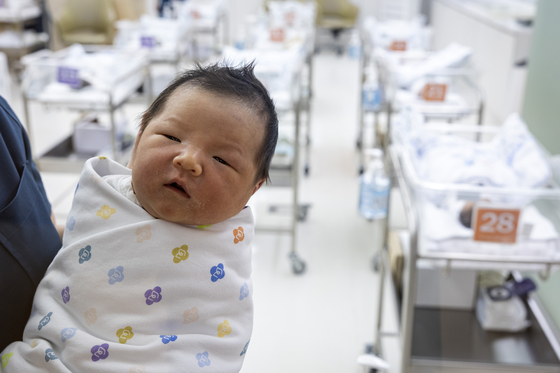
Global Fertility Market Forecasted to Triple by 2035
A new market analysis projects the global fertility market will grow from USD 31.18 billion in 2025 to USD 102.05 billion by 2035, representing a CAGR of 12.59%. This expansion is driven by increased adoption of assisted reproduction, fertility preservation technologies like egg freezing, and digitally enabled care models. The forecast underscores a structural shift in healthcare spending toward reproductive health as demographics delay parenthood.

Decline in Public Openness to IVF Despite Procedural Boom
The Atlantic reports a striking paradox: while actual IVF procedures are booming, public openness to the treatment is declining in America. This sentiment shift occurs even as SART data shows over 449,000 reported treatment cycles nationwide. The disconnect suggests growing ethical or financial anxieties among the general population, even as clinic volumes reach record highs.

Local view
South Korea: Local media highlights the tension between expanded state support and rising private costs. Health Chosun notes that while infertility support expanded in 2024, leading to a surge in patients, the average reported prices for non-covered items like sperm retrieval rose by up to 52.8%. Meanwhile, Maeil Business Newspaper reports on "K-Fertility" tourism, with international patients flocking to Korea for treatments that are one-third the cost of US procedures, positioning Korea as a global fertility hub.
Japan: Japanese clinics continue to clarify the post-2022 insurance landscape. Taketsuna Pediatric Clinic explains that while timing methods and artificial insemination have low out-of-pocket costs (hundreds to thousands of yen), IVF and ICSI costs vary significantly based on the number of eggs retrieved. Tokyo residents benefit from a new 150,000 yen subsidy starting April 2026, which aims to make treatment "effectively free" when combined with insurance, covering male infertility and egg freezing as well.
Context & numbers
- US Cycle Volume: In 2024, there were 449,772 reported ART cycles across 364 clinics in the US, resulting in 100,158 IVF babies.
- UK Trends: Frozen embryo transfers now account for almost half (48%) of all IVF cycles in the UK, up from previous years. IVF births now represent over 3% of all UK births, doubled from 2004 levels.
- Egg Freezing Growth: In the UK, egg freezing cycles increased from 4,700 in 2022 to 6,900 in 2023, accounting for 7% of all cycles.
- Korea Subsidies: Seoul provides up to 27.5 million KRW per person for infertility treatments. National guidelines allow for 20 cycles of IVF and 5 cycles of artificial insemination for eligible individuals under age 44 for fresh embryos.
On the radar
- Virginia IVF Mandate: Legislation in Virginia has enrolled requirements for essential health benefits to include IVF coverage (up to three cycles per lifetime) starting in 2028.
- Gen Z Financial Planning: Forbes highlights a growing trend of Gen Z women financially planning for fertility preservation in their 20s, driven by employer benefits and rising costs of egg freezing.
- China Egg Freezing Costs: Guides indicate egg freezing in China ranges from $3,500 to $8,500 per cycle, with specific legal rules for foreigners, potentially influencing regional medical tourism.
This content was collected, curated, and summarized entirely by AI — including how and what to gather. It may contain inaccuracies. Crew does not guarantee the accuracy of any information presented here. Always verify facts on your own before acting on them. Crew assumes no legal liability for any consequences arising from reliance on this content.
Powered by
