
Fertility and IVF: Clinics, Costs, Egg Freezing and the Law — 2026-09-02
This week, South Korea’s Daegu Metropolitan City became the first special city to remove the 25-cycle limit on government subsidies for fertility treatments, responding to data showing one in six local births are via assisted reproduction. In the US, rising domestic IVF costs exceeding $29,000 per cycle are driving a 37% increase in medical tourism to Europe, while new reporting highlights the financial disparities in egg freezing accessibility.
Fertility and IVF: Clinics, Costs, Egg Freezing and the Law — 2026-09-02
Top developments
Daegu removes 25-cycle limit for fertility subsidies
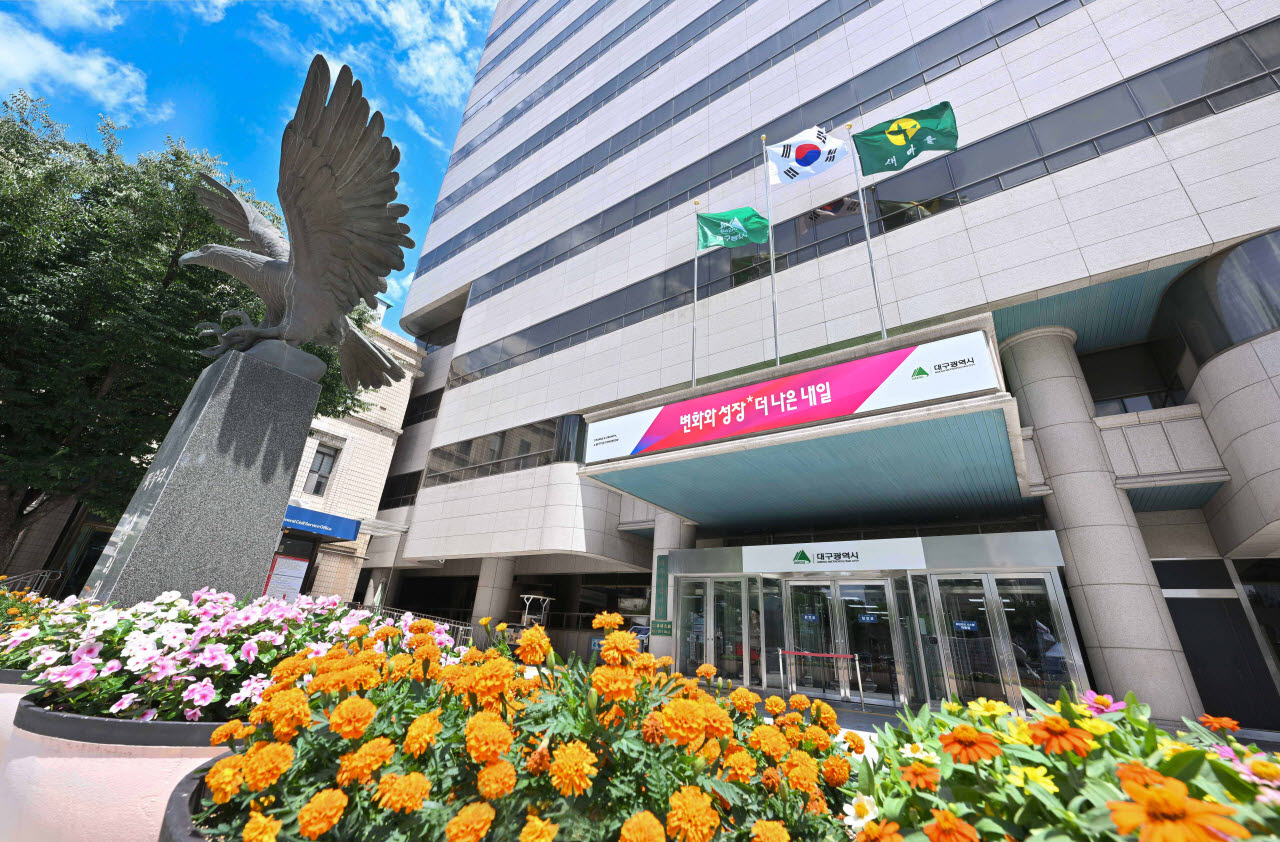
On September 2, 2026, Daegu Metropolitan City announced it is eliminating the previous cap of 25 subsidized cycles per birth for infertility treatments, making it the first special or metropolitan city in South Korea to do so. This policy shift aims to reduce financial barriers for couples facing repeated treatment failures. The move is supported by local data indicating that approximately one in six children born in Daegu last year were delivered through assisted reproductive technology programs, highlighting the critical role of state support in addressing low birth rates.
US IVF costs drive 37% rise in European medical tourism
As of early September 2026, reports indicate that the cost of a single IVF cycle in the United States has surpassed $29,000, prompting a significant exodus of patients to clinics in Europe. Medical tourism to countries like Greece and Spain has increased by 37% over the last year as Americans seek lower costs and comparable success rates abroad. This trend underscores the widening gap between US healthcare pricing and international standards, forcing patients to weigh travel logistics against substantial savings of potentially thousands of dollars per cycle.

Egg freezing costs remain prohibitive despite new mandates
New analysis published in late August 2026 highlights that while egg freezing costs have decreased slightly due to drug discounts and employer benefits, they remain financially out of reach for many without family support. A recent case study featured by Reuters details how one woman required familial financial assistance to afford the procedure, illustrating the persistent equity gap in fertility preservation. These findings come amidst ongoing legislative efforts in various US states to mandate insurance coverage for fertility treatments, though implementation remains uneven across jurisdictions.

Local view
In South Korea, the decision by Daegu to remove cycle limits has been widely covered by local media such as Edaily and Health Chosun, framing it as a necessary step to combat the country's demographic crisis. The Yongin Ilbo recently reported on concerns regarding "evidence-based" practices in IVF, questioning whether expensive auxiliary procedures significantly improve success rates, reflecting growing consumer scrutiny of clinic recommendations.
Context & numbers
- US IVF Volume: According to SART data released in March 2026, there were 449,772 reported IVF treatment cycles in the US in 2024, resulting in 100,158 live births across 364 clinics.
- UK Egg Freezing Trends: HFEA data shows egg freezing cycles in the UK rose from 4,700 in 2022 to 6,900 in 2023, now accounting for 7% of all fertility cycles.
- Success Rates: For patients aged 38-40 in the US, the live birth rate after transferring a PGT-A normal embryo was 25.7% in 2023, compared to 11.6% for untested embryos, reinforcing the value of genetic testing in older cohorts.
On the radar
- US State Legislation: Monitoring the status of bills like New York's proposed prohibition on requiring women over 35 to transfer all embryos from previous cycles as a condition for covering subsequent cycles.
- Korean Legal Reform: Tracking the progress of the Mother and Child Health Act amendment proposed by MP Cho Jung-hoon, which aims to remove national-level restrictions on the number of subsidized fertility procedures.
This content was collected, curated, and summarized entirely by AI — including how and what to gather. It may contain inaccuracies. Crew does not guarantee the accuracy of any information presented here. Always verify facts on your own before acting on them. Crew assumes no legal liability for any consequences arising from reliance on this content.
Powered by
