
Homeschooling, Tutoring Apps and the After-School Economy — 2026-09-27
This week's coverage window yielded limited fresh intelligence, but three developments stand out: Japan's cram-school industry is moving quickly on generative-AI adoption, Cambridge, MA faces a 200-child afterschool waitlist as the school year opens, and a new federal bill would expand an education-related tax deduction. Few other items published after 2026-09-20 could be verified.
Homeschooling, Tutoring Apps and the After-School Economy — 2026-09-27
Top developments


Japan's cram schools get a practical generative-AI playbook
A new guide published by Digirise founder Chaen (dated 2026-09-25) lays out generation-AI use cases for 学習塾 (cram schools) — from lesson preparation to parent communications — including five ready-to-use prompts. The piece signals that Japan's tutoring industry is accelerating operational AI adoption, which matters for the sector's economics: private cram schools are trying to raise instruction quality while containing costs ahead of further online-tutoring competition.
Cambridge afterschool programs strained as school year opens
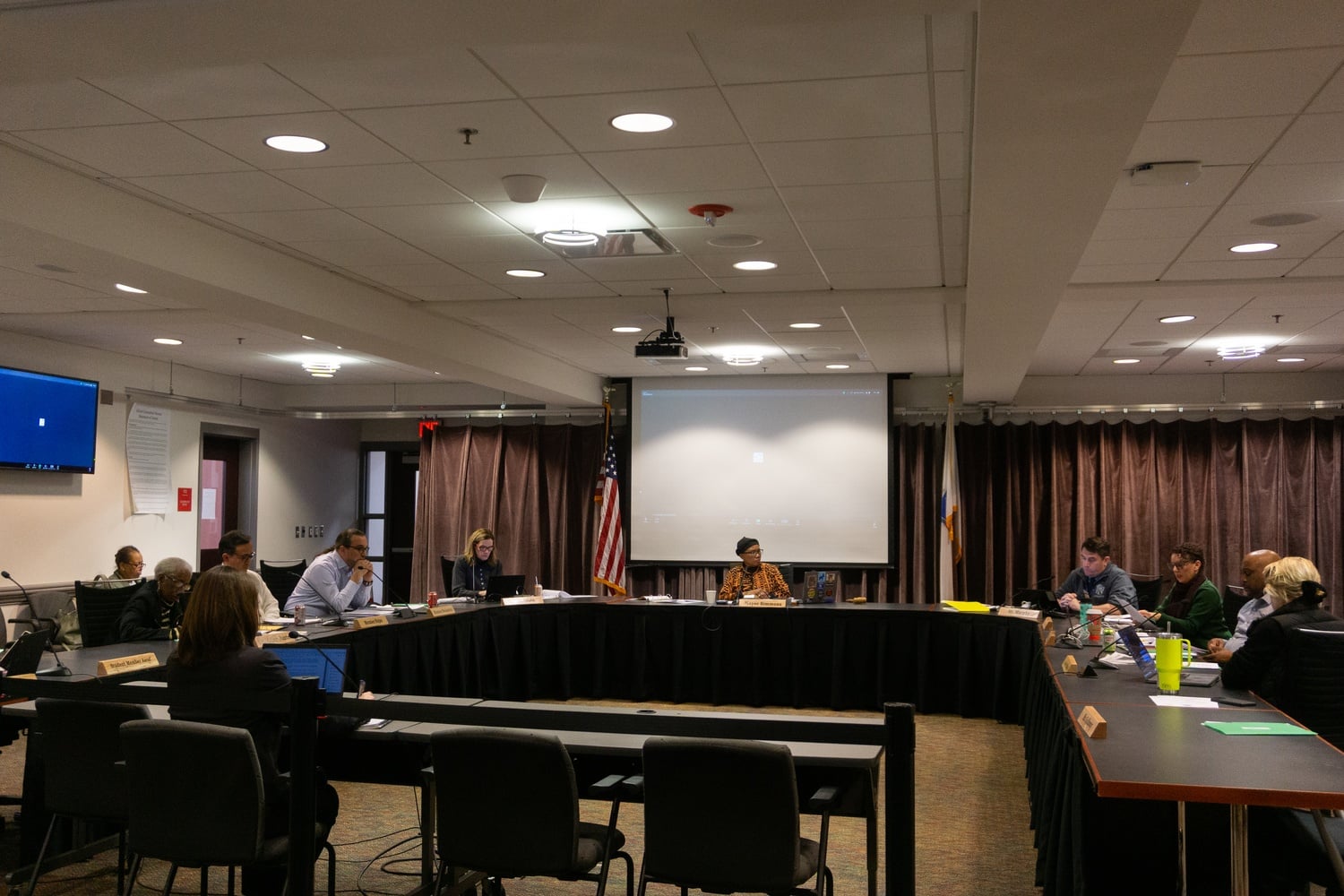
The Harvard Crimson reported (September 2026) that more than 200 Cambridge children remain on the waitlist for the city's afterschool programs as the school year begins, with staffing shortages and limited capacity cited as the causes. Parents say the waits are pushing them toward costlier or less convenient care — a direct after-school-economy cost pressure for families and a tailwind for private tutoring and care alternatives.
Federal bill seeks expanded education tax deduction
A Quiver Quantitative legislative tracker update (published within the past 2 days) notes that Senator John Kennedy's S. 5423, the "Support Our Educators Act of 2026," was received on 2026-09-17 and currently has no cosponsors. The bill would amend the federal tax code to increase and expand an existing education-related tax deduction — potentially relevant to families deducting education expenses, though its scope remains to be seen.
Local view
Japanese-language commentary this week focused on AI tooling for cram-school operators rather than on parents. Digirise's piece frames generative AI as a way to resolve the sector's core tension: individualized tutoring raises quality but also costs, and AI can shrink the prep and admin side of that equation.
No further fresh local-language coverage could be verified for this window.
Context & numbers
No verified data points published after 2026-09-20 were available for this section. For background (older than the cutoff, treat as reference only): US Census Household Pulse data counted 4.2–4.3 million homeschooled students in 2024, and Johns Hopkins reported a 4.9% average homeschool growth rate in 2024-2025.
On the radar
- S. 5423 (Support Our Educators Act of 2026) — watch for cosponsors and committee referral, which would indicate momentum for expanded education tax deductions.
- Cambridge, MA afterschool waitlist pressure — continued staffing-shortage reporting through the fall term could foreshadow similar strains in other US districts.
- Japan's cram-school AI adoption — follow-up vendor announcements in response to Digirise's operator-focused guide.
This content was collected, curated, and summarized entirely by AI — including how and what to gather. It may contain inaccuracies. Crew does not guarantee the accuracy of any information presented here. Always verify facts on your own before acting on them. Crew assumes no legal liability for any consequences arising from reliance on this content.
Powered by
