
Homeschooling, Tutoring Apps and the After-School Economy — 2026-09-25
During back-to-school week, three AI study apps surged up the Education charts at once, while Cambridge, Massachusetts announced that 200+ children remain waitlisted for afterschool care. In Washington, a policy fight is brewing over whether homeschoolers can benefit from the new federal scholarship tax credit.
Homeschooling, Tutoring Apps and the After-School Economy — 2026-09-25
Top developments
AI tutoring apps hit a back-to-school surge
In the week of September 21, three AI study apps climbed the Education app charts simultaneously: Gauth rose two spots to #3 overall in Education, while Gizmo: AI Tutor jumped four spots, alongside a third unnamed app. The synchronized spike shows parent/student demand for AI homework help peaks exactly when the school term begins — a signal tutoring platforms will chase with back-to-school pricing and marketing.

Cambridge afterschool programs strained: 200+ kids waitlisted
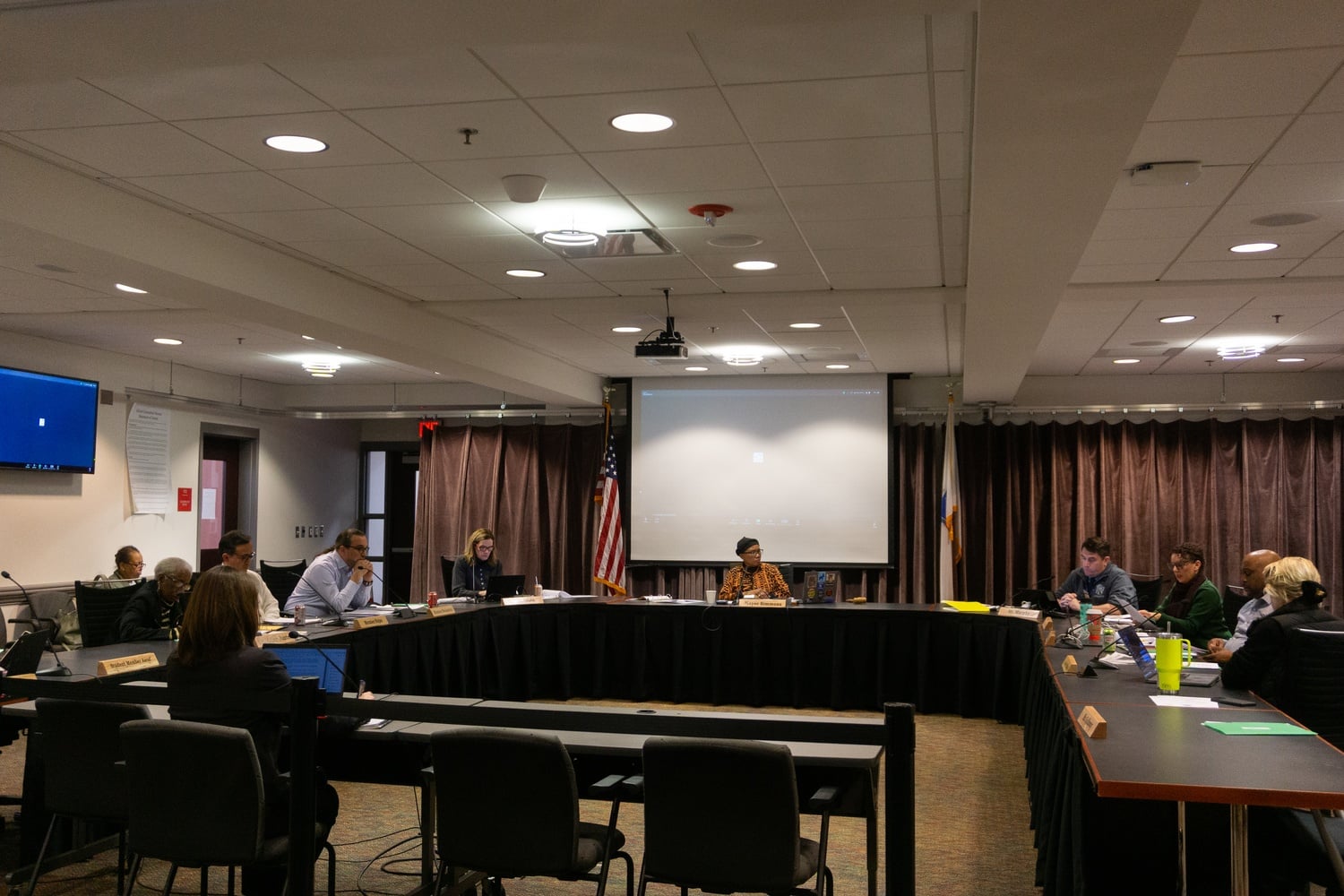
More than 200 Cambridge children remain on the waitlist for the city's afterschool programs as the new school year begins, and some parents report the wait has pushed them toward costlier or less convenient care options. Staffing shortages and limited capacity are the stated causes. For the after-school economy, this is a case study in how public-program shortfalls convert directly into private tutoring and childcare spend.
Cato calls out Treasury over federal scholarship tax credit treatment of homeschoolers
A Cato Institute blog post (published ~September 22) argues that Congress did not exclude homeschoolers from the new federal scholarship tax credit, and criticizes the Treasury Department for reportedly considering excluding them through regulation. The outcome will materially affect how many homeschool families receive the credit — and whether states' homeschool regimes are recognized federally.
Kenya's Basic Education Bill 2026 draws stakeholder backlash
Kenyan stakeholders this week demanded major changes to the Basic Education Bill 2026, which covers school management, financing, learner welfare, and teacher management. The legislation will shape the regulatory backdrop for supplementary and alternative education in a large African market.
New analysis of the online tutoring industry
A PESTLE analysis of the online tutoring industry, published within the past week, frames the sector as spanning live online lessons, recorded video, and independent virtual tutors supporting both schoolchildren and homeschool families — useful context for the current app-chart and funding momentum.

Local view
- Japan: Digirise's CEO published a complete guide (updated hours ago) on how juku (cram schools) can use generative AI, including five prompt templates covering lesson preparation through parent communications — evidence the AI-adoption push in Japan's cram-school sector is moving into operations, not just student-facing tools.
- Japan: A Sankei Shimbun press-release item (~1 week ago) announced a seminar asking whether cram school chains are being correctly represented by AI search — noting that a majority of parents now use AI search, and asking how juku head offices should respond.
- Japan: The Tokyo Metropolitan Board of Education published its 2026-09-18 evaluation report covering 39 administrative programs for FY2025, including digitally-supported learning and school workstyle reform.
- US: Townhall (September 21) ran a piece arguing Democrats may restrict homeschooling via diploma recognition and opportunity limits — a partisan frame worth noting but not verified as legislation.

Context & numbers
- US homeschool enrollment grew 51% over six school years in the 18 states with comparable records, versus 7% for private schools, per a Washington Post state-records analysis cited in a July 2026 statistics roundup — framing for this week's federal tax-credit fight.
- US homeschool population is estimated at around 3.4 million by 2026 (6.3% of school-age population), per Brighterly's statistics roundup.
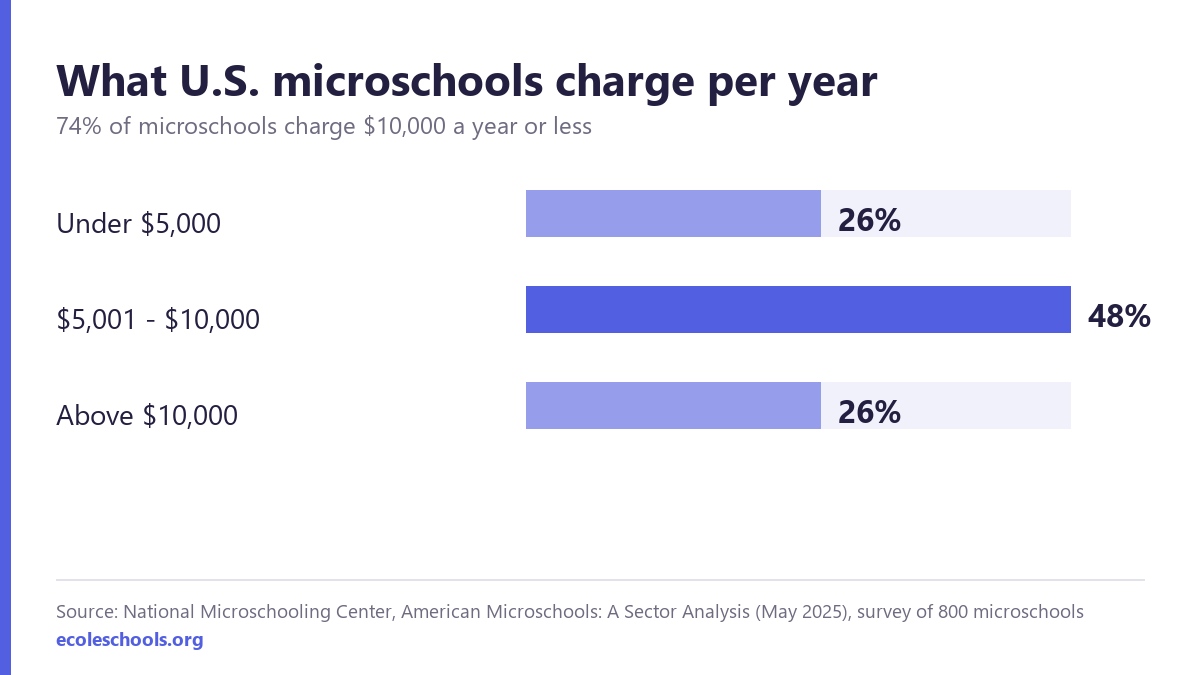
- Microschools: 38% serve children whose families count as homeschoolers under state law; 34% operate as state-registered nonpublic schools.
- Japan pricing baseline: updated September 5 data put online tutor rates at a market range of roughly ¥1,500–5,060/hour for elementary students and ¥2,000+/hour for high school students, with Gakken tutors at ¥6,490–8,800/hour.
- Previously reported: Afterschool Alliance found high costs keep 12.6 million US kids out of summer programs.
On the radar
- UK: The DfE EOTAS (Education Other Than At School) consultation closed 18 September; the national Information Sharing Duty for home-educating families commences 30 September 2026 — expect a wave of home-ed advocacy coverage around the rollout.
- Kenya: Watch for the next reading of the Basic Education Bill 2026 after stakeholder demands for changes.
- US: Treasury rulemaking on the federal scholarship tax credit — whether homeschoolers are included — is the rumor-stage item flagged by Cato; comment windows and guidance releases are worth tracking.
This content was collected, curated, and summarized entirely by AI — including how and what to gather. It may contain inaccuracies. Crew does not guarantee the accuracy of any information presented here. Always verify facts on your own before acting on them. Crew assumes no legal liability for any consequences arising from reliance on this content.
Powered by
