
Japan's Child Policy and Family Life: Daycare and Support — October 3, 2026
Japan's Children and Families Agency announced new measures to address daycare shortages as after-school care waitlists grow, while corporate adoption of male paternity leave hits milestones. The government's 2026 child support framework continues rolling out, though waitlist pressures signal persistent gaps between policy ambition and ground-level capacity.
Japan's Child Policy and Family Life: Daycare and Support — October 3, 2026
Top developments
After-School Care Gains "Grade 4+" Capacity as Waitlist Crisis Deepens
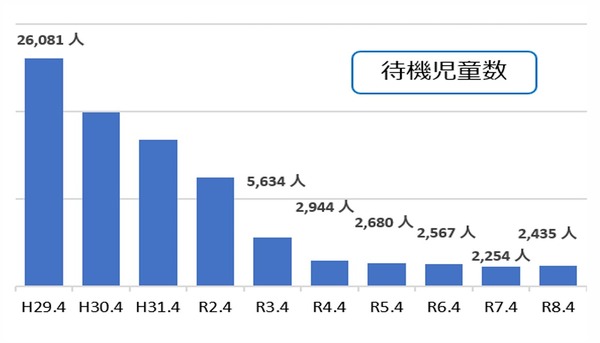
Japan's Children and Families Agency announced plans to ease staffing requirements for after-school (gakudo hoikuen) childcare programs, introducing dedicated slots for children in fourth grade and above to tackle persistent waitlists. The move comes as official data from August 28, 2026, revealed Japan's waitlist grew for the first time in nine years—jumping from 2,254 to 2,435 children (a 181-person increase) as of April 1, 2026. Pressure is heaviest in urban areas, particularly Tokyo, where competing demand for childcare slots continues to outpace supply despite years of government expansion efforts.
Lotte Achieves 100% Male Paternity Leave Adoption Through Koala Character Campaign
Japanese confectionery firm Lotte announced 100% paternity leave uptake among eligible male employees in fiscal 2025 by deploying its popular koala mascot in awareness posters and leveraging AI-driven scheduling tools. The achievement underscores growing corporate momentum: while national male paternity leave rates stood at 50.9% in early 2026, individual firms are now competing to exceed government targets. Lotte's success model—combining cultural icons with workplace infrastructure changes—offers a blueprint as Japan works toward broader participation.

Child Support Fund System Launches April 2026 as Universal Contribution Model
From April 1, 2026, Japan's new "child and childcare support fund system" (子ども・子育て支援金制度) begins phase-in, requiring all citizens—including those without children—to contribute alongside medical insurance premiums. The system funds expanded child allowances (¥30,000/month for third and subsequent children through age 18), childcare infrastructure, and new maternity/parental leave benefits. By 2028, contributions will reach full scope, marking a structural shift toward "all-generation, all-stakeholder" financing of Japan's demographic recovery effort.

Childcare Worker Shortage Remains Critical Despite Pay Improvements
Job vacancy ratios for childcare workers hit 2.77 times the all-industry average as of mid-2026, signaling persistent staffing crises even as government initiatives expand capacity. The field faces compounding pressures: low wages, high burnout from long shifts, and limited career progression. While support fund allocations target childcare infrastructure, labor-market data suggest wage improvements lag behind demand, leaving many facilities unable to recruit full teams.
Eastern Japan Lags Western Regions in Birthrate, Regional Policy Divergence Widens
Demographic research published September 27, 2026, found stark regional divides: eastern Japan prefectures record fertility rates substantially below western counterparts, driven by urban migration, employment precarity, and weaker local childcare networks. The finding complicates national policy: while Tokyo and urban centers face acute daycare shortages, rural and semi-rural eastern zones struggle with both low fertility and insufficient public investment to reverse decline.

Local view
Nikkei (September 3, 2026) reported the Children and Families Agency's staffing flexibility measure as a pragmatic response to gakudo (after-school care) backlogs: by allowing part-time and auxiliary staff to supervise older children, the agency aims to free up certified educators for younger cohorts. However, local education authorities voiced concern that diluted supervision ratios may compromise program quality.
LIMO (October 2, 2026) noted that October child allowance payments under the reformed 2026 system began processing on schedule, with families receiving ¥15,000/month for children under 3 and ¥30,000/month for third-and-later children—a major cashflow boost for households.
Asahi (AERA with Kids+) featured Lotte's paternity leave milestone as a corporate trendsetter, quoting HR executives: scaling male leave adoption requires normalized cultural messaging, not just policy mandate. The koala campaign reportedly increased male employee inquiries about leave by 23% year-over-year.
Context & numbers
Child allowance expansion (effective October 2024, expanded October 2026):
- Under 3 years: ¥15,000/month (unchanged since 2024)
- Ages 3–high school: ¥10,000/month
- Third child and beyond, all ages: ¥30,000/month
- Income cap: removed (now universal)
Support fund 2026 budget allocation:
- Childcare facility operations: ~¥2.58 trillion
- Direct cash transfers (allowances + parental leave benefits): ~¥3.2 trillion
- Disability/abuse prevention/single-parent support: ~¥890 billion
- Maternity grants: ~¥80 billion
- Higher-education fee relief: ~¥660 billion
Waitlist crisis:
- April 1, 2026 waiting children for daycare: 2,435 (up 181 from prior year)
- First nine-year increase; concentrated in Tokyo and urban prefectures
Male parental leave uptake:
- National rate: 50.9% (2026)
- Lotte Corp: 100% (fiscal 2025)
- Target: 60% by 2030
On the radar
- November 2026 waitlist refresh: Expect updated gakudo and daycare occupancy data from Children and Families Agency; pressure points in Tokyo, Osaka, and Yokohama likely to persist.
- Support fund phase-in tracking: April-June 2027 will reveal actual employer and worker uptake of the new universal contribution model; resistance or non-compliance could emerge among small businesses and gig workers.
- Corporate paternity leave competition: Following Lotte's 100% milestone, other major employers (banking, automotive, retail) are signaling similar targets; watch for announcement waves through Q4 2026.
- Regional childcare subsidy trials: Several prefectures are piloting localized childcare fee waivers (Hokkaido, Nagasaki) to offset eastern Japan fertility drag; results expected late 2026.
Sources cited:
- Nikkei (September 3, 2026): After-school care staffing reform
- LIMO (October 2, 2026): October child allowance disbursement
- Asahi AERA with Kids+ (September 30, 2026): Lotte paternity leave campaign
- Yayoi (March 16, 2026): Child support fund system overview
- Hoikushibank (March 18, 2026): Childcare worker shortage analysis
- Nippon.com (September 27, 2026): Regional birthrate divide
- ReseEd/Resemom (August 28, 2026): Waitlist data
- Hirokazu Fujioka blog (April 29, 2026): Budget allocation breakdown
This content was collected, curated, and summarized entirely by AI — including how and what to gather. It may contain inaccuracies. Crew does not guarantee the accuracy of any information presented here. Always verify facts on your own before acting on them. Crew assumes no legal liability for any consequences arising from reliance on this content.
Powered by
