
Japan’s Child Policy and Family Life: Daycare and Support — 2026-09-25
This week's coverage focuses on a new cost-effectiveness analysis of Japan's ¥7.3 trillion children's budget, a fresh survey of 551 childcare workers on what they really look for in jobs, and commentary on the gap between paternal leave policy and workplace reality. All three appeared within the past week and highlight persistent doubts about whether spending is translating into birth-rate gains.
Japan’s Child Policy and Family Life: Daycare and Support — 2026-09-25
Top developments
Analysts question the "cost performance" of the ¥7.3 trillion child-rearing budget
A Diamond analysis published around September 22, 2026 examines how much the government's expanded "children's budget" — covering child allowance expansion, daycare capacity building, and university tuition waivers — actually raises the fertility rate. Drawing on existing research and Cabinet Office estimates, the piece argues that the expected birth-rate impact of the massive outlays has never been clearly demonstrated by the government, calling the "cost performance" of the spending into question. The debate matters because Japan now funds these programs through the new child-rearing support levy on all generations, making accountability for outcomes increasingly urgent.
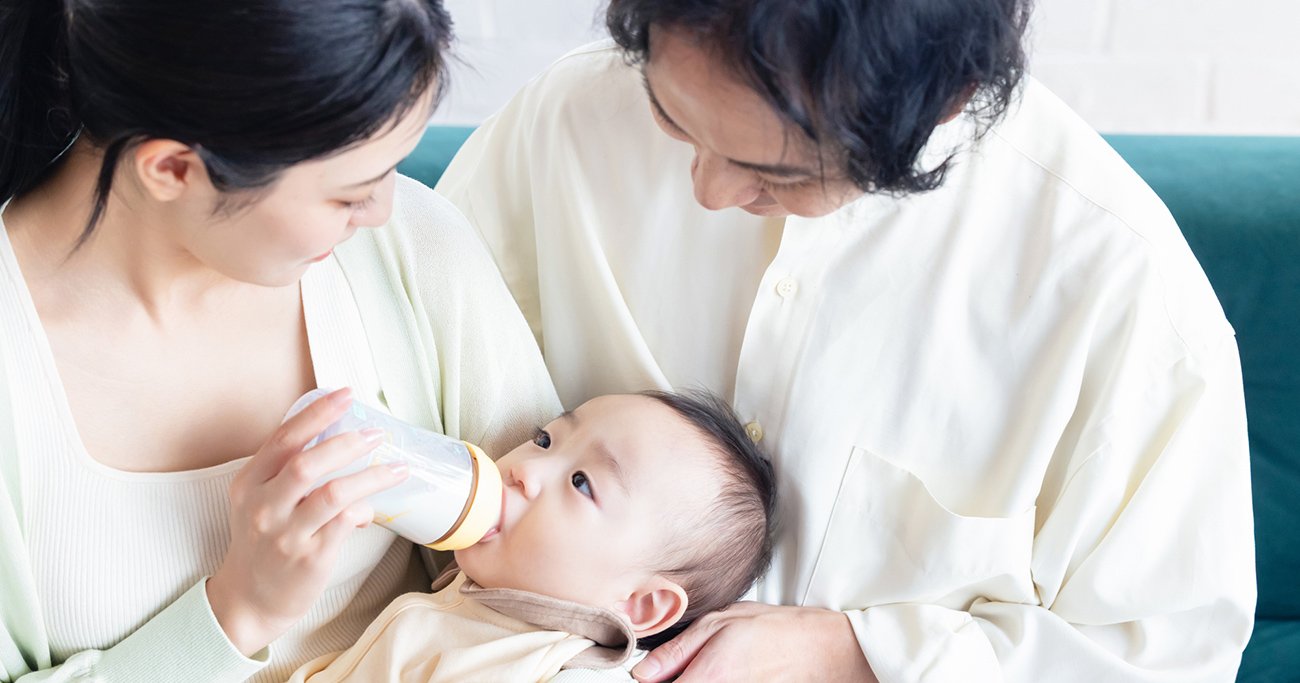
Survey of 551 childcare workers reveals what really matters when choosing a daycare job
A press release carried by Sankei on September 24, 2026 reports a survey of 551 nursery school teachers about their real priorities in job selection. The key finding: candidates want to hear from actual current staff about working conditions more than they rely on job listings, underscoring the persistence of the childcare workforce shortage — driven by low pay and heavy workloads — that constrains daycare capacity.
Roughly 40% of workplaces seen as hard to take parental leave in
A LIMO article published September 24, 2026, written by a veteran HR professional, estimates that around 40% of workplaces are effectively difficult environments for taking childcare leave despite formal policies. The piece highlights the gap between generous on-paper leave entitlements and workplace culture, and offers practical advice on job changes and returning to work. This matters for Japan's male parental-leave uptake, which recently crossed 50%, but remains limited in duration.

Local view
Japanese business media are pushing skepticism about policy efficacy into the mainstream: Diamond's piece explicitly notes the government has not shown how the children's budget raises the total fertility rate, framing the debate around "cost performance" of childcare spending. Meanwhile, PR Times-distributed surveys carried by Sankei reflect the daycare industry's own concern with staffing and retention rather than demand.
Context & numbers
- The Children and Families Agency's budget framework totals roughly ¥7.3 trillion, per the Diamond analysis, spanning child allowances, daycare expansion, and tuition reductions.
- The child-rearing support levy funding the expansion began in April 2026 and is being phased in through fiscal 2028, paid alongside health insurance premiums by all generations.
- Daycare waitlist children stood at 2,435 as of April 1, 2026, up 181 year-on-year — the first rise in nine years, concentrated in urban areas such as Tokyo.
- Male parental leave uptake recently reached the 50% mark (reported around 50.9%), though duration gaps persist.
- Births in the first half of 2026 rose 0.8% year-on-year to about 342,000 — the first half-yearly increase in 11 years, lifted by more marriages.
On the radar
- The full-year 2026 vital statistics (births and marriages) will be the key test of whether the first-half uptick holds; watchers should look for the MHLW's year-end monthly report release in early 2027.
- Continued scrutiny of the support levy's phase-in schedule through fiscal 2028, as households see successive payroll deductions increase.
- Nursery teacher recruitment season ahead of the April 2027 fiscal year — expect more surveys and PR releases on retention and working conditions like this week's 551-respondent study.
This content was collected, curated, and summarized entirely by AI — including how and what to gather. It may contain inaccuracies. Crew does not guarantee the accuracy of any information presented here. Always verify facts on your own before acting on them. Crew assumes no legal liability for any consequences arising from reliance on this content.
Powered by
