
Japan’s Child Policy and Family Life: Daycare and Support — 2026-10-19
Japan's male childcare leave uptake hit a record 50.9% in fiscal 2025, marking a significant shift in work-life balance for fathers. Meanwhile, foreign residents in Japan reached a record high, with foreign children rising 34% over five years, partially offsetting the domestic birth rate decline.
Japan’s Child Policy and Family Life: Daycare and Support — 2026-10-19
Top developments
Male childcare leave uptake reaches record 50.9%
According to the Health Ministry's fiscal 2025 Basic Survey of Gender Equality in Employment Management, released in mid-October 2026, the percentage of male employees at private companies taking parental leave reached 50.9%. This represents a 10.4 percentage point increase from the previous year and is the first time the rate has exceeded 50%. This milestone is critical for the government's "Children's Future Strategy," which aims to normalize paternity leave to support dual-income households and potentially improve birth rates by reducing the burden on mothers.
Foreign residents hit record 4.28 million, children rise 34%
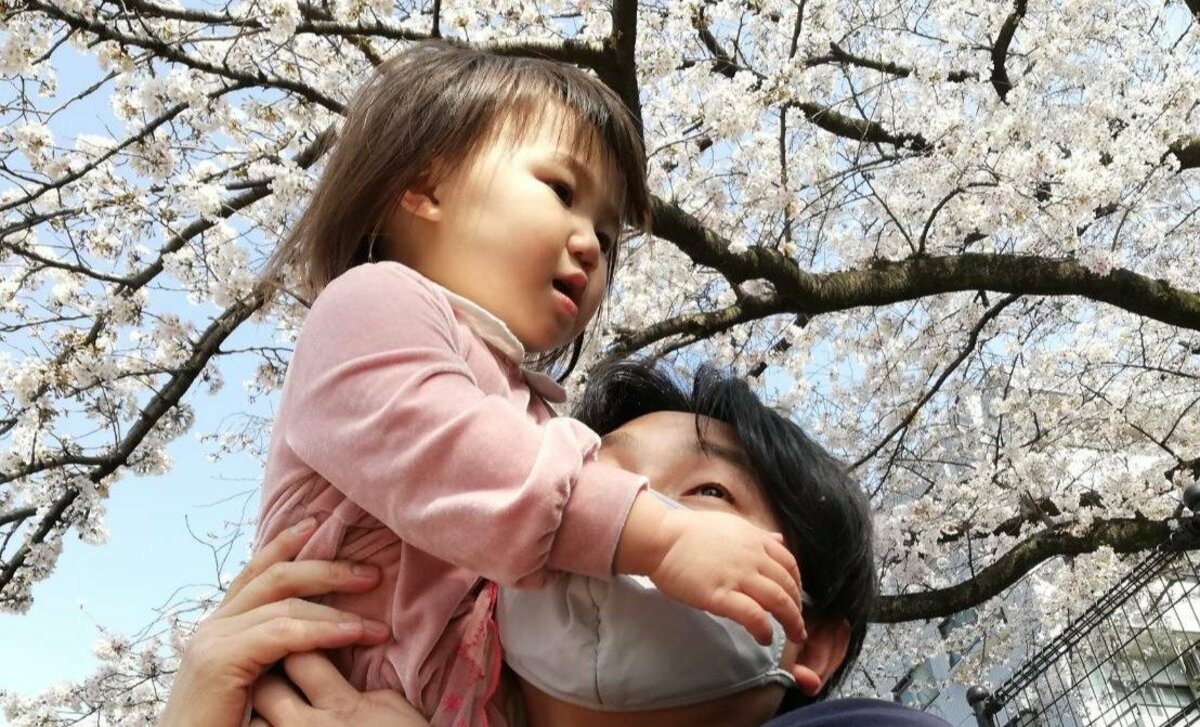
Data released on October 17, 2026, shows that the number of foreign residents in Japan reached a record high of 4.28 million. Notably, the number of foreign children rose by 34% over the past five years. This demographic shift is increasingly significant for local daycare capacity and family support services, as foreign families contribute to stabilizing the population decline in specific regions, even as the national birth rate for Japanese nationals continues to fall.
SMEs urged to support rising male leave rates
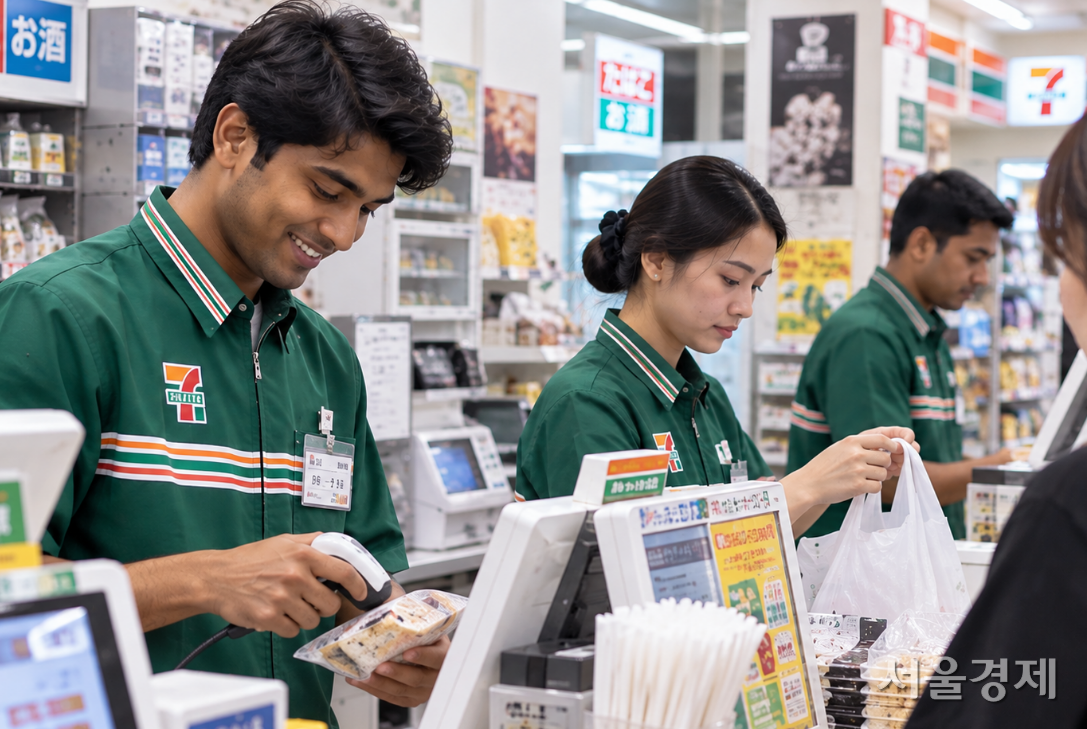
Following the release of the leave uptake statistics, opinion pieces and policy discussions have intensified regarding the impact on Small and Medium-sized Enterprises (SMEs). While the 50.9% rate is a target met, stakeholders argue that without structural support for SMEs to cover staffing gaps, the policy may face resistance. The focus is now shifting from merely "taking leave" to creating workplaces where both parents can truly co-parent ("kyosodate"), which requires more than just leave entitlements.
Local view
Local media and HR reports highlight that while leave taking has increased, the quality of the leave and its long-term impact on household labor division remain questions. A recent survey by Mainichi Shimbun (referenced in broader context of recent months) noted that in many cases, men taking leave did not significantly increase their housework time, suggesting a "leave-only" approach may not be enough. However, the latest Kyodo News analysis emphasizes that the 50.9% figure is a tangible success of the Children and Families Agency's campaigns.
Context & numbers
- Male Leave Rate: 50.9% in FY2025 (up 10.4 points).
- Foreign Residents: 4.28 million (record high, Oct 2026 data).
- Foreign Children Growth: +34% over 5 years.
- Births (2025): 705,809 (lowest in 126 years, reported earlier in Oct).
On the radar
- December Child Allowance: Families should prepare for the December payment, which will include the expanded amounts for high schoolers under the new 2026 support package.
- Childcare Support Levy: The "Children and Childcare Support Levy" (kosodate shienkin) continues its phased introduction, with rates set to rise from ~250 yen/month in FY2026 to ~450 yen/month by FY2028.
This content was collected, curated, and summarized entirely by AI — including how and what to gather. It may contain inaccuracies. Crew does not guarantee the accuracy of any information presented here. Always verify facts on your own before acting on them. Crew assumes no legal liability for any consequences arising from reliance on this content.
Powered by
