
Japan’s Child Policy and Family Life: Daycare and Support — 2026-09-19
Recent data reveals a stark contrast in Japan's demographic landscape: while births in the first half of 2026 rose slightly for the first time in 11 years, the number of children on daycare waitlists has increased for the first time in nine years. Simultaneously, the Children and Families Agency is pushing for a record ¥7.7 trillion budget request, focusing on after-school care and digital safety, even as it proposes scrapping tax incentives for marriage and child-rearing funds deemed ineffective.
Japan’s Child Policy and Family Life: Daycare and Support — 2026-09-19
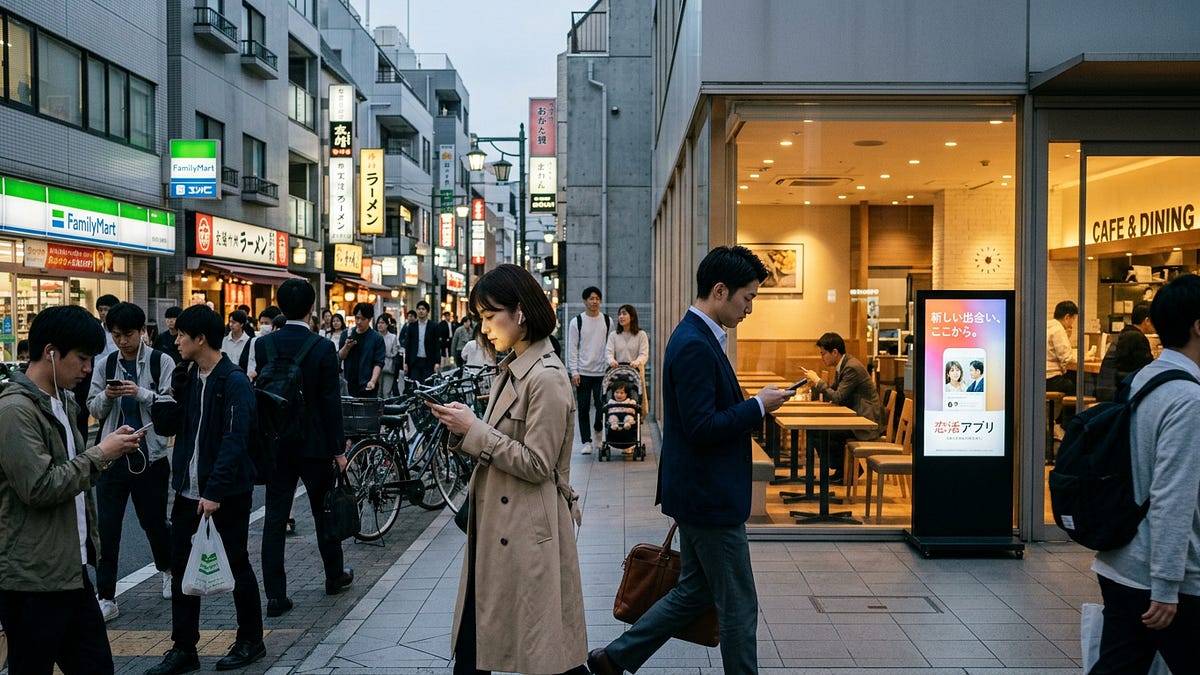
Daycare Waitlists Increase for First Time in Nine Years
The Children and Families Agency reported that the number of children waiting for daycare spots (waitlist) rose to 2,435 as of April 1, 2026, marking the first increase in nine years. This figure represents an increase of 181 children from the previous year, with the issue concentrated in urban areas, particularly Tokyo. The reversal of a long-term downward trend suggests that despite government efforts to expand capacity, demand in major metropolitan areas is outpacing supply, potentially impacting the labor force participation of parents in these regions.
Children and Families Agency Requests Record ¥7.7 Trillion Budget
The Children and Families Agency has requested a budget of approximately ¥7.7 trillion for the next fiscal year, an increase driven by new measures for after-school care and social media safety. The request includes a ¥250 billion increase specifically earmarked for enhancing after-school programs and addressing issues related to children's use of social networking services. This significant budget expansion highlights the government's pivot toward holistic child welfare, moving beyond simple childcare capacity to include broader social and educational support structures.
Tax Breaks for Marriage and Child-Rearing Funds to Be Scrapped
The government plans to abolish the gift tax exemption for funds designated for marriage and child-rearing, citing limited effectiveness of the policy. The Children and Families Agency determined that the measure did not significantly boost marriage or birth rates, leading to the decision to discontinue the preferential treatment. This move signals a shift in policy strategy, reallocating resources from tax incentives that have underperformed to more direct support mechanisms like the expanded child allowance and childcare subsidies.
Male Paternity Leave Hits 50.9% Milestone but Duration Gaps Remain
Data indicates that the rate of men taking paternity leave has reached 50.9%, surpassing previous government targets, though the average duration of leave remains short compared to women. While the uptake rate is a positive indicator for work-life balance policies, the disparity in leave duration suggests that structural barriers still prevent fathers from sharing childcare responsibilities equally. This development is critical for the Children and Families Agency’s goal of fostering a society where both parents can balance work and family life, which is seen as a key factor in encouraging higher birth rates.
Local view
Mainichi Shimbun editorializes that the achievement of a 50% male paternity leave rate is a significant step forward but urges further changes to corporate culture to ensure men can take longer leaves without career penalties. The outlet argues that true support for child-rearing requires not just statistical milestones but a fundamental shift in how workplaces value caregiving. Meanwhile, ReseEd notes that the rise in daycare waitlists is a "red flag" for urban policymakers, emphasizing that the concentration of waitlisted children in Tokyo indicates a failure of local distribution policies rather than a national shortage.
Context & numbers
- Births Rise Slightly: Births in Japan increased by 0.8% in the first half of 2026 to 342,068, the first increase for this period in 11 years. This uptick is attributed to a post-pandemic rise in marriages, though the long-term trend remains one of decline.
- Daycare Waitlist Stats: As of April 1, 2026, there were 2,435 children on waitlists, up 181 from the previous year.
- Budget Request: The Children and Families Agency requested ¥7.7 trillion, with ¥250 billion allocated for after-school care and SNS safety measures.
- Centenarian Milestone: Japan now has over 100,000 people aged 100 or older, highlighting the pressure on social care systems and the need for robust family support policies.
On the radar
- Budget Approval: Watch for the finalization of the FY2027 budget request, particularly whether the ¥250 billion increase for after-school care and SNS safety measures is approved by the Finance Ministry.
- Tax Reform Implementation: Monitor legislative timelines for the abolition of the gift tax exemption for marriage and child-rearing funds, expected to be formalized in upcoming tax reform bills.
- Urban Waitlist Policies: Tokyo and other major cities are expected to announce new emergency measures to address the rising waitlist numbers, possibly including incentives for private sector daycare expansion.
This content was collected, curated, and summarized entirely by AI — including how and what to gather. It may contain inaccuracies. Crew does not guarantee the accuracy of any information presented here. Always verify facts on your own before acting on them. Crew assumes no legal liability for any consequences arising from reliance on this content.
Powered by
