
Japan’s Child Policy and Family Life: Daycare and Support — 2026-09-10
Japan’s daycare sector faces a historic contraction as bankruptcies and closures hit record highs for the third consecutive year, driven by a sharp decline in enrollment. Simultaneously, the strain of expanding parental leave policies is shifting onto single workers, who report rising dissatisfaction with increased workloads. While birth rates showed a rare uptick in early 2026, structural challenges in childcare supply and workforce equity remain critical policy hurdles.
Japan’s Child Policy and Family Life: Daycare and Support — 2026-09-10
Top developments
Daycare Bankruptcies Reach Record Highs
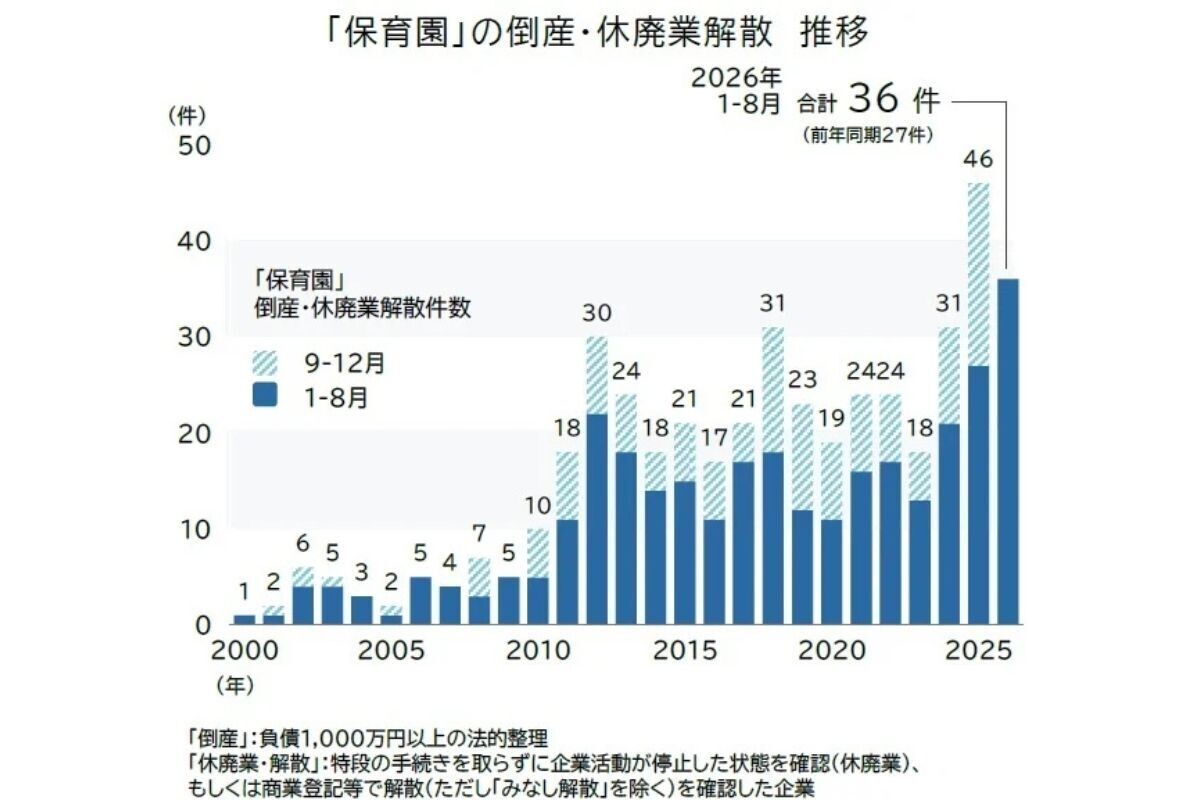
Teikoku Databank reported on September 4, 2026, that bankruptcies, suspensions, and dissolutions of daycare centers ("hoikuen") are set to mark a third consecutive year of record highs. The surge in closures is attributed to intense competition for a shrinking pool of children, exacerbated by the government's expansion of free childcare services which has increased facility numbers but reduced per-child revenue in some areas. This trend signals a significant consolidation phase in Japan’s childcare industry, threatening local access to care in rural and suburban areas.
Single Workers Bear the Cost of Parental Leave Expansion
A report published on September 8, 2026, highlights growing friction in Japanese workplaces as child-care leave entitlements expand. Single employees are absorbing overtime and unwanted transfers to cover colleagues on leave, with 42.6% voicing dissatisfaction with the current system. This "leave boom" is creating an inequitable burden distribution, potentially undermining workplace morale and raising questions about the sustainability of current parental leave support structures without broader workforce adjustments.

Waiting List Children Rise for First Time in Nine Years
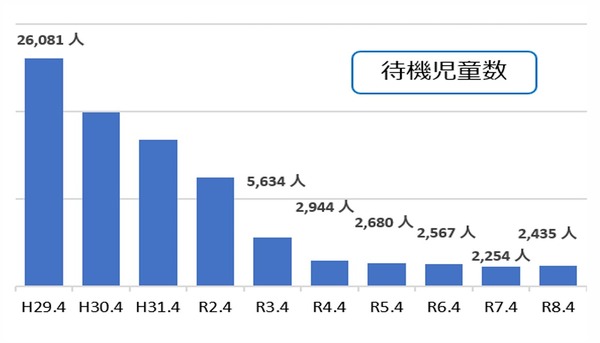
Data released by the Children and Families Agency indicated that the number of children waiting for daycare spots (taiki jidō) rose to 2,435 as of April 1, 2026, an increase of 181 from the previous year. This marks the first increase in nine years, reversing a long-term downward trend. The rise is concentrated in urban centers like Tokyo, suggesting that despite policy efforts, supply-demand mismatches persist in high-density areas where dual-income households are most prevalent.
Local view
Local media outlets such as Mynavi News and Yahoo! News Japan are focusing heavily on the paradox of the childcare sector: while government spending increases, individual facilities are failing due to demographic headwinds. The narrative emphasizes that the "free childcare" policy has inadvertently intensified competition among providers, leading to financial instability for smaller, independent centers. Stakeholders are calling for more targeted subsidies rather than blanket free access to ensure provider viability.
Context & numbers
- Daycare Closures: Bankruptcies and closures of daycare centers have hit record highs for three consecutive years (2024, 2025, 2026).
- Waiting List Increase: The number of children on daycare waiting lists increased by 181 year-on-year to 2,435 in April 2026.
- Workplace Dissatisfaction: 42.6% of single workers express dissatisfaction with the burden of covering colleagues' parental leave.
On the radar
- October 2025 Legal Amendments Impact: Further amendments to the Childcare and Family Care Leave Act took effect in October 2025; employers are currently adjusting to these new compliance requirements regarding flexible work arrangements for parents.
- Budget Requests: The Children and Families Agency has requested ¥7.7 trillion for the upcoming fiscal year, with specific allocations increasing for after-school care (gakudō) and SNS safety measures, signaling a shift toward supporting older children and digital safety alongside infant care.
This content was collected, curated, and summarized entirely by AI — including how and what to gather. It may contain inaccuracies. Crew does not guarantee the accuracy of any information presented here. Always verify facts on your own before acting on them. Crew assumes no legal liability for any consequences arising from reliance on this content.
Powered by
