
Japan’s Child Policy and Family Life: Daycare and Support — 2026-10-22
Recent data reveals a stark paradox in Japan’s family policy: while male childcare leave uptake has hit a record high, the desire for a second child has plummeted to a record low due to rising costs. Simultaneously, daycare centers are closing at an accelerating rate, causing waitlists to lengthen significantly despite a declining number of infants.
Japan’s Child Policy and Family Life: Daycare and Support — 2026-10-22
Top developments
Desire for second child falls to record low
A new survey by Meiji Yasuda Life indicates that the proportion of parents in Japan who want a second child has dropped by more than half over the past six years, reaching a record low of 28%. This decline is attributed to rising inflation and the increased financial pressure on households, signaling that current monetary support may not be sufficient to offset the perceived cost of raising multiple children. The Mainichi reports this sentiment is directly linked to economic anxieties, with fewer than one in three families now expressing a desire for a second child.

Male childcare leave uptake hits 50.9%
The Health Ministry’s fiscal 2025 Basic Survey of Gender Equality in Employment Management shows that the percentage of male employees at private companies taking parental leave reached a record 50.9%, a rise of 10.4 percentage points from the previous year. This marks the second consecutive year of significant growth and represents the first time the figure has exceeded 50%. While this meets government targets, experts argue that small and medium-sized enterprises (SMEs) require further support to sustain these gains and foster workplaces where "co-parenting" is feasible.
Daycare waitlists grow as centers close
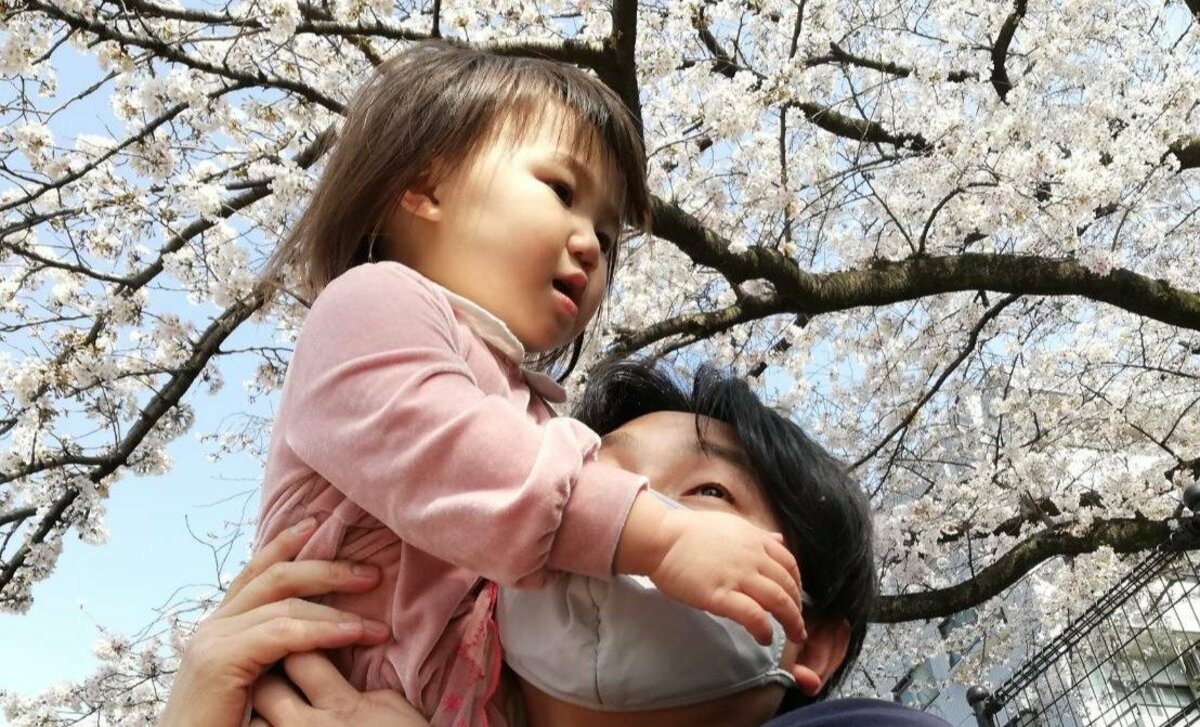
Despite the decreasing number of infants and toddlers, the average waiting period for admission to daycare centers has prolonged to 7.5 months, up by 2.2 months from the end of 2022. For 1-year-old classes, the wait is even longer at an average of 8.5 months. This shortage is driven by a rapid decline in supply, with 11,093 daycare centers closing in the last four and a half years due to demographic shifts and staffing challenges. The Seoul Economic Daily notes this phenomenon extends to neighboring Korea, where similar trends of center closures and prolonged waits are occurring.

Local view
Local media outlets are highlighting the disconnect between policy success and lived reality. While the government celebrates the 50.9% male leave uptake as a victory for work-life balance, commentators note that the "co-parenting" culture is not yet fully realized in many workplaces. The Mainichi emphasizes that the financial burden on families remains the primary deterrent to having more children, suggesting that cash allowances alone are insufficient to curb the "record low" desire for second children.
Context & numbers
- Male Childcare Leave Rate: 50.9% (Record high, up 10.4 points YoY)
- Desire for Second Child: 28% (Record low, down >50% from 2020 levels)
- Average Daycare Wait: 7.5 months (Up 2.2 months from 2022); 8.5 months for 1-year-olds
- Daycare Closures: 11,093 centers closed in the past 4.5 years
On the radar
- SME Support Policies: Watch for new government initiatives aimed at assisting small and medium-sized enterprises in maintaining high male childcare leave rates, as this is flagged as a critical next step by Kyodo News.
- Daycare Consolidation: The trend of center closures is expected to continue, potentially leading to regional disparities in access where urban areas may face longer waits while rural areas face complete facility loss.
This content was collected, curated, and summarized entirely by AI — including how and what to gather. It may contain inaccuracies. Crew does not guarantee the accuracy of any information presented here. Always verify facts on your own before acting on them. Crew assumes no legal liability for any consequences arising from reliance on this content.
Powered by
