
Kids and Screens: Screen-Time Rules, Kids’ Apps, Phone Bans — 2026-09-06
Global school phone bans have expanded significantly, with the UK implementing a statutory ban and France extending restrictions to high schools this September. In the US, New York City announced a ban on generative AI for students through 8th grade, while a new APA report cautions that screen-time bans alone may not address underlying educational needs.
Kids and Screens: Screen-Time Rules, Kids’ Apps, Phone Bans — 2026-09-06
Top developments
UK schools face new legal obligation for phone bans
As of early September 2026, schools in England now have a legal obligation to keep children off mobile phones during the school day. This statutory ban replaces previous non-binding guidance, marking a significant shift in policy enforcement. Teachers report mixed feelings on enforcement methods, with some preferring physical storage solutions like lockers or pouches over simple confiscation
France extends phone ban to high schools
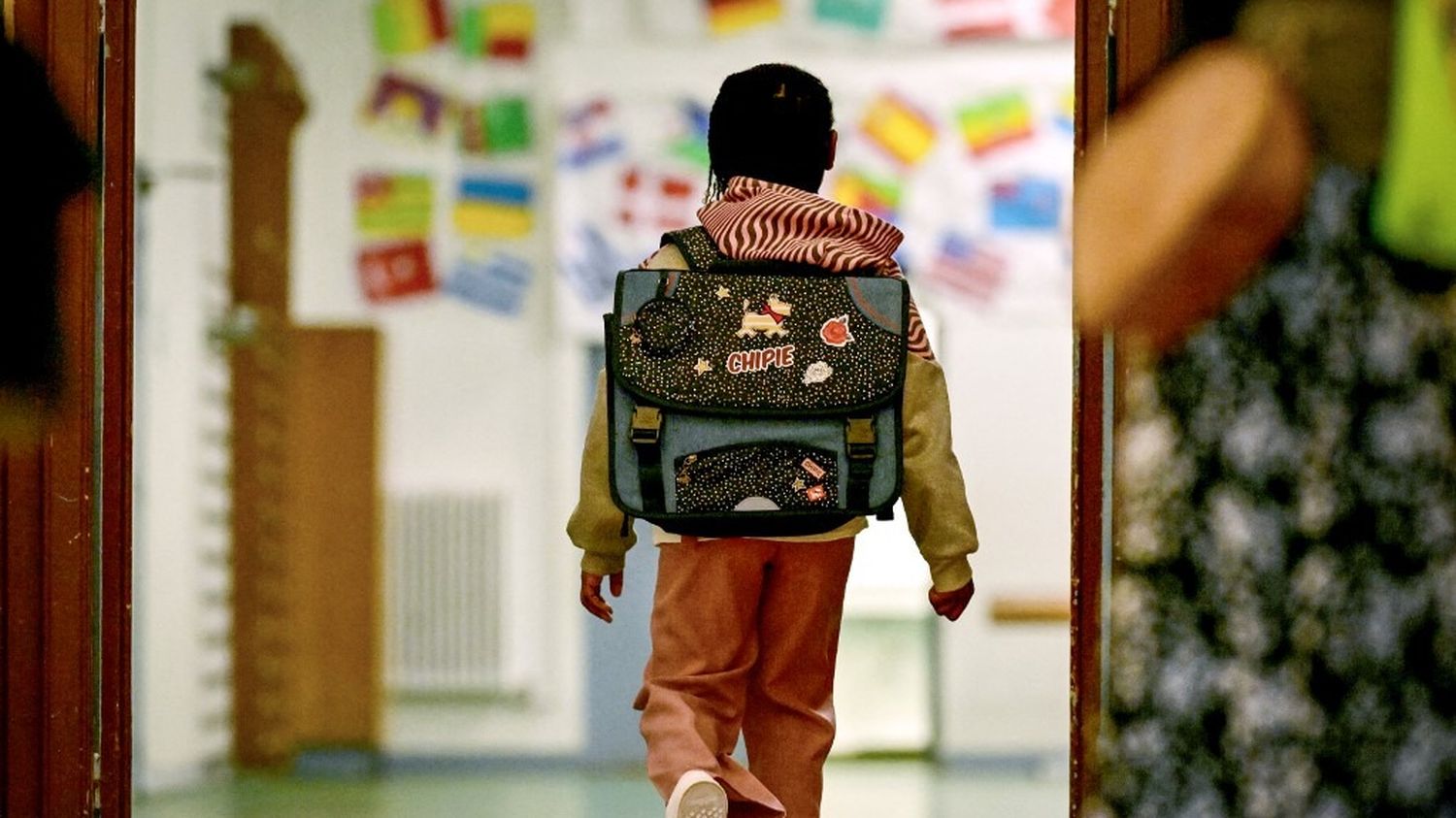
Starting September 1, 2026, French high schools (lycées) must enforce a total ban on mobile phones for all students up to age 15. This measure fulfills a campaign promise by President Macron and extends the existing ban that has applied to primary and middle schools since 2018. The policy aims to reduce screen time and improve social interaction among students
NYC bans generative AI for students through 8th grade
New York City’s Department of Education announced on September 2, 2026, a one-year moratorium on student-facing generative AI tools for students from pre-K through 8th grade. Mayor Mamdani stated that children need "human connection" in the classroom, part of a broader move to restrict classroom technology. The policy also includes new limits on overall screen time for younger students

APA report warns against "ban-only" approaches
A new American Psychological Association (APA) report released this week argues that while screen-time rules are necessary, outright bans in classrooms may not solve deeper educational issues. The report suggests that schools should focus on integrating technology responsibly rather than removing it entirely, noting that some digital tools can support learning if used correctly
Local view
In the United States, parent activist groups in New York, Los Angeles, and Washington, D.C., have successfully pushed for stricter AI and screen-time regulations in response to grassroots campaigns. These local victories are influencing national policy discussions. Meanwhile, in France, unions like SNES-FSU are calling for careful implementation of the new high school phone ban to avoid precipitous changes to internal school rules.
Context & numbers
- Global Reach: As of August 2026, 39 U.S. states and 106 countries have implemented some form of school phone ban.
- Study Findings: A large-scale study of over 40,500 schools found that while phone bans improved student well-being, they had negligible effects on test scores and attendance.
- Roblox Updates: Roblox introduced age-based accounts ("Roblox Kids" and "Select") in April 2026, with expanded parental controls for users under 16 becoming more prominent in recent months.

On the radar
- Meta's "School Mode": Reports indicate Meta is developing new "school mode" restrictions for its platforms, which could further limit access for students during school hours.
- Finland's Model: Finland’s education minister recently praised their year-long cellphone restriction, citing improved break-time interactions, which may influence other European nations.
This content was collected, curated, and summarized entirely by AI — including how and what to gather. It may contain inaccuracies. Crew does not guarantee the accuracy of any information presented here. Always verify facts on your own before acting on them. Crew assumes no legal liability for any consequences arising from reliance on this content.
Powered by
