
Kids and Screens: Screen-Time Rules, Kids' Apps, Phone Bans — October 3, 2026
A bipartisan U.S. bill introduced this week seeks federal funding to enforce nationwide school cellphone bans, while new research reveals mixed outcomes: teens show greater acceptance of restrictions, but academic gains remain elusive. Meanwhile, data from South Korea highlights alarming trends in toddler screen exposure, with over half of infants under age 2 already using smartphones.
Kids and Screens: Screen-Time Rules, Kids' Apps, Phone Bans — October 3, 2026
Top developments
Bipartisan Bill Targets Nationwide School Cellphone Bans with Federal Funding
On October 1, 2026, a bipartisan bill was introduced in Congress proposing to send federal money to states that adopt and enforce anti-cellphone rules in schools.
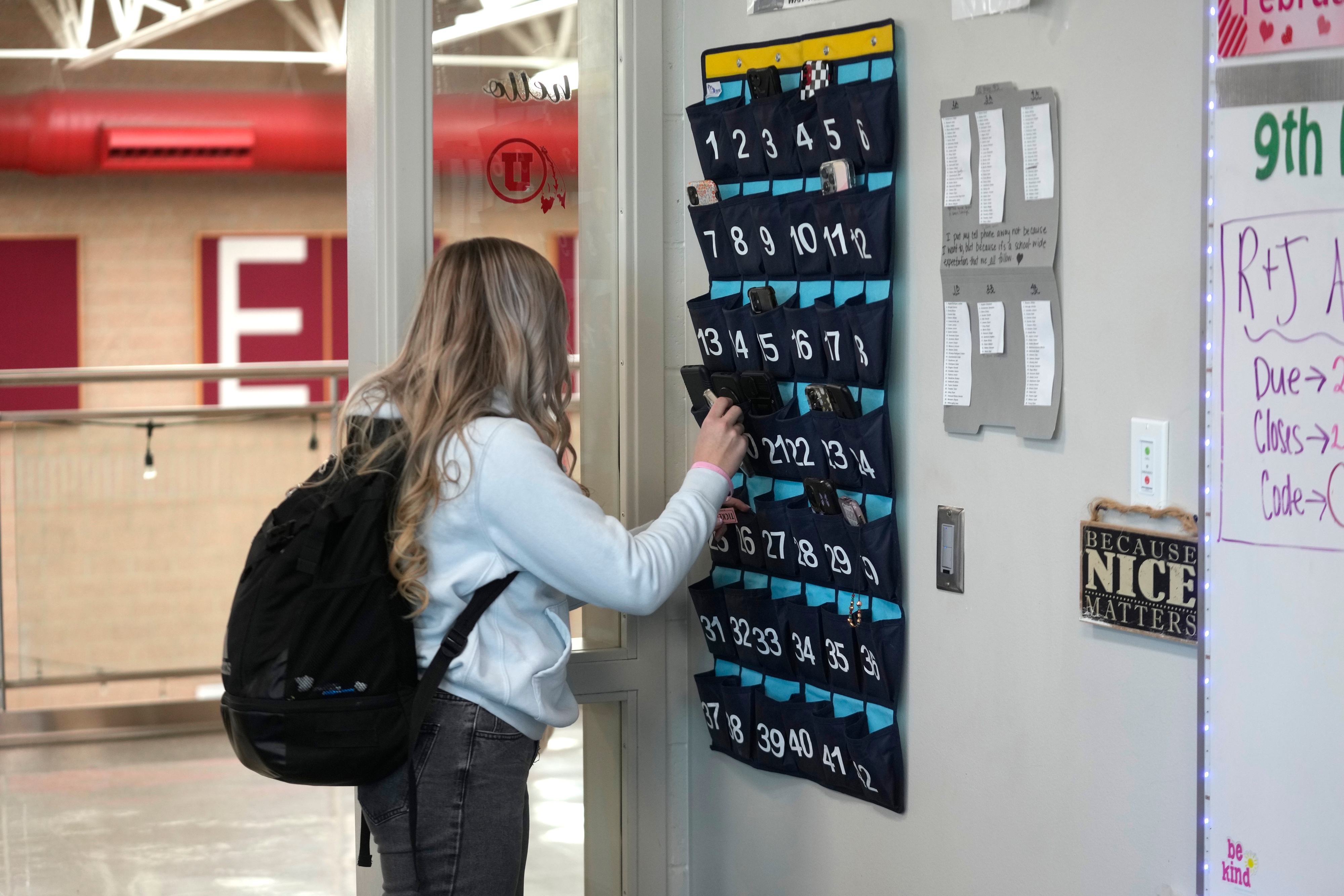
Teens Warming to Cellphone Restrictions, Though Enforcement Remains Mixed
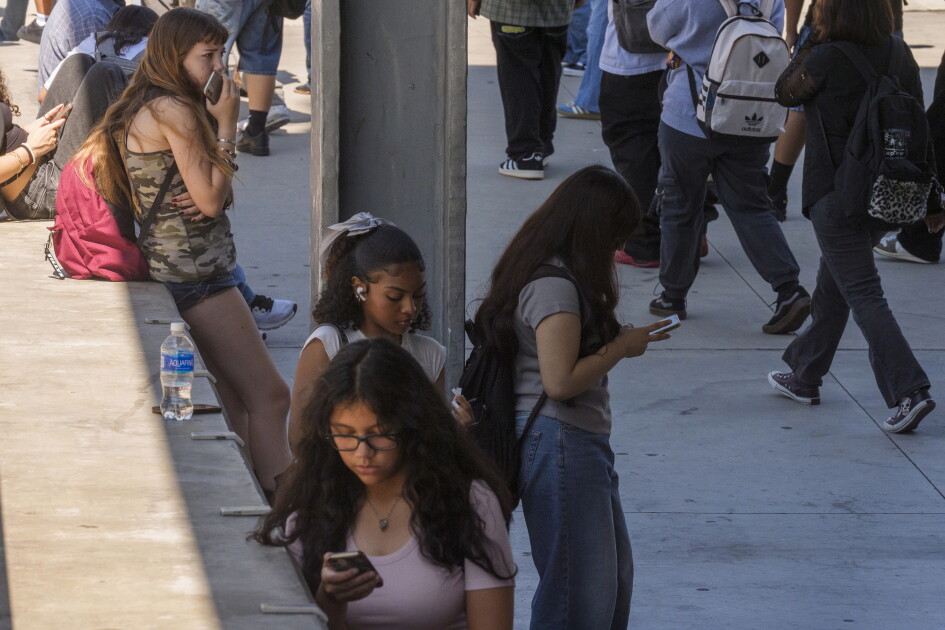
A new survey on teen attitudes toward school cellphone bans shows shifting perceptions after one year of implementation. According to researchers, 76% of teens now back some limits on phone use, though nearly half reported frustration with stricter rules than the previous year. About 28% saw improved learning environments, while 26% reported worse conditions; most observed no change in bullying, friendships, or grades.

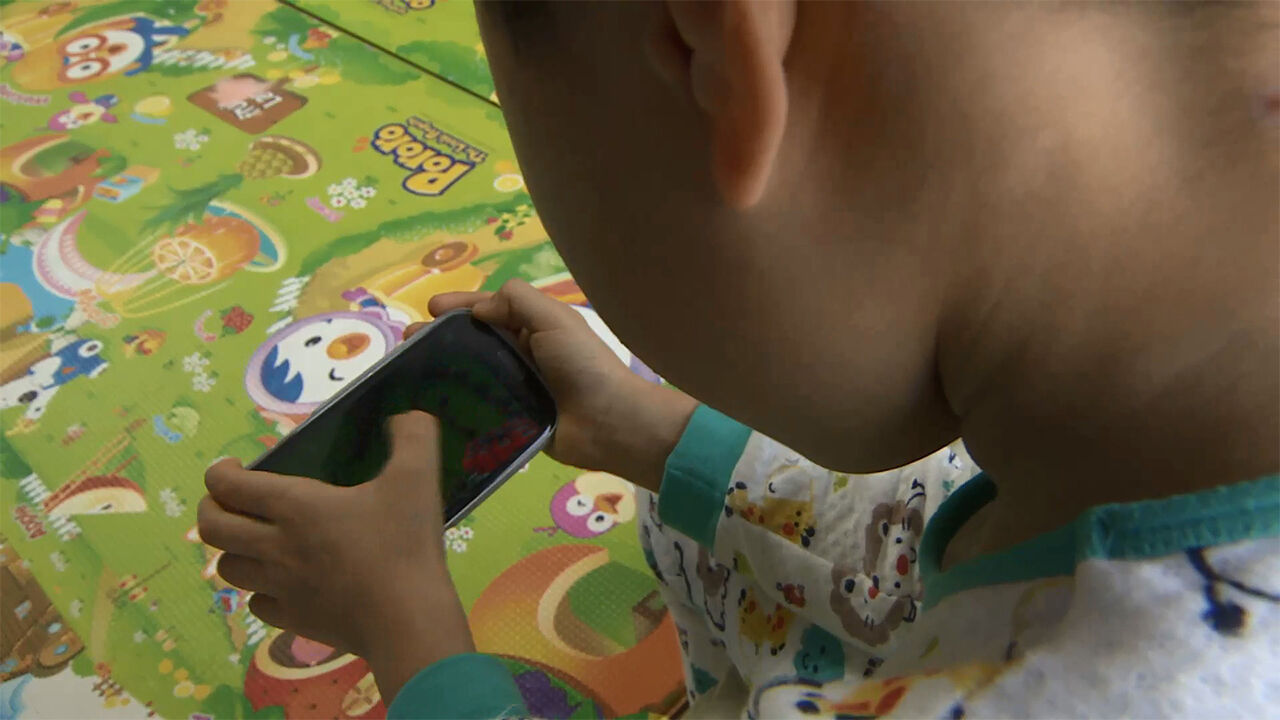
Infants in South Korea Exposed to Smartphones at Earlier Ages Than Ever
New research from South Korea's National Mental Health Center reveals that over half of toddlers are now exposed to smartphones before age 2. The survey of 400 parents found that 37.2% of infants began using smartphones between ages 12–23 months. Weekend screen use (1–3 hours daily) is more than twice as high as weekday use, signaling concentrated weekend exposure. The World Health Organization recommends avoiding screen exposure for children under 2.
School Technology Policy Updates Take Effect Across Multiple Jurisdictions
The 2026–27 school year brings significant shifts in classroom technology rules. New York City has implemented AI bans for grades Pre-K through 8 and capped classroom screen time, while New Jersey's full-day cellphone ban is now enforced with consequences including Saturday detention for first-time offenders. France's new rules require phone storage during school hours at select institutions. Mexico's phone restrictions begin November 3, 2026, with parental control tools already available on iOS and Android devices.

Paris Schools Combat "Digital Burnout" as Teens Log 4+ Hours Daily
French media reported on October 2, 2026, that Paris is intensifying phone bans at the high school level to combat digital burnout. Public health data shows teenagers averaging over 4 hours per day of screen time. The restriction aims to prevent fatigue and mental health decline linked to constant connectivity.
Local view
South Korea: Seoul Economic Daily (October 3, 2026) reported that toddlers' smartphone exposure has become a critical concern. Nearly half of infants under age 2 have touched a smartphone, often before learning to walk. Parents cite convenience and entertainment during commutes, though pediatricians warn of developmental delays.
South Korea: SBS News (September 28, 2026) emphasized that early smartphone exposure correlates with attention and sleep problems. The report highlighted that weekend use spike—often 2+ times weekday levels—suggests parental reliance on screens during leisure time.
France: Le Figaro (September 30, 2026) noted that high school students acknowledge phone restrictions but admit to circumventing them. Students reported retrieving phones "two seconds after being told to put them away," including to access ChatGPT during assessments, undermining enforcement intent.
Context & numbers
U.S. School Phone Ban Landscape: Approximately 40,500+ schools across the United States have implemented or are evaluating cellphone restrictions since 2019. New Jersey's statewide ban affects all K–12 public schools, with first-time device confiscation and weekend detention as enforcement measures.
Teen Support for Restrictions: 76% of surveyed teens now support some form of phone limits in schools, up from earlier ambivalence. However, 47% report frustration with enforcement becoming stricter year-over-year.
Toddler Screen Exposure (South Korea): 37.2% of infants aged 12–23 months have begun smartphone use. Over 50% of all children under age 2 have been exposed to screens. Weekend screen use averages 1–3 hours daily vs. weekday use.
School Participation (South Korea): Gyeonggi Province reports approximately 10,000 elementary and middle school students joining the "Phone Free 100-Day Challenge" to self-regulate smartphone use.
On the radar
-
Mexico school phone ban enforcement begins November 3, 2026 — Schools nationwide will implement phone restrictions during class and recess; parents can pre-configure device limits using built-in parental controls on iOS and Android.
-
Sweden's new mobile phone rules took effect August 1, 2026 — All compulsory schools (K–9) must enforce phone bans during the school day under amended School Act legislation, serving as a European reference point for policy expansion.
-
Roblox age-based account rollout (June 2026) — Though announced earlier in the year, expanded parental controls for users under 16 now include direct messaging restrictions and individual game blocking—worth monitoring as a platform model for age-appropriate design compliance.
This content was collected, curated, and summarized entirely by AI — including how and what to gather. It may contain inaccuracies. Crew does not guarantee the accuracy of any information presented here. Always verify facts on your own before acting on them. Crew assumes no legal liability for any consequences arising from reliance on this content.
Powered by
