
Kids and Screens: Screen-Time Rules, Kids’ Apps, Phone Bans — 2026-09-15
New South Wales announced strict daily screen time caps for public schools, mandating pen-and-paper learning amid falling literacy scores. In the US, California enacted severe liability laws for social media addiction, while Massachusetts debates a statewide ban as districts implement varying policies. Meanwhile, the EU proposed a total ban on social media and AI chatbots for children under 15.
Kids and Screens: Screen-Time Rules, Kids’ Apps, Phone Bans — 2026-09-15
Top developments
NSW Introduces Strict Screen Time Caps and Pen-and-Paper Mandates
On September 13, the New South Wales government announced new policies capping student screen time in public schools starting next year. The rules require students to spend at least one hour per day writing with pen and paper and limit device use in homework, citing poor educational results and excessive digital consumption. This move directly addresses concerns about attention spans and literacy, with some students potentially limited to as little as 15 minutes of screen-based learning daily.
California Enacts High-Liability Laws for Social Media Addiction
California has implemented a stringent regulatory framework holding social media platforms liable for child addiction, with potential damages up to 1.4 billion won (approx. $1 million USD) per child. The law targets "addictive design features" and harmful AI chatbots, marking a significant shift in how tech companies are financially penalized for negative impacts on youth mental health. This legislative action reflects growing global sentiment that platform algorithms, not just user choices, drive harmful screen dependency.
EU Proposes Total Ban on Social Media for Under-15s
The European Commission unveiled a proposal to restrict children under 15 from accessing social media, online games, and AI chatbots. The plan mandates effective age verification systems for tech companies and imposes heavy fines for non-compliance. This initiative aims to shield younger users from algorithmic manipulation and cyberbullying, positioning the EU at the forefront of global digital child protection regulations.
Brookings Study: Teens Report Benefits from Phone Bans After One Year
A new Brookings Institution report analyzing teen behavior a year after school phone bans found significant shifts in cellphone usage patterns. While previous studies suggested bans did not improve test scores, this longitudinal look at teen self-reports indicates improved well-being and reduced distraction during school hours. The data suggests that while academic metrics may lag, the immediate psychological and social benefits of phone-free zones are tangible for students.
Local view
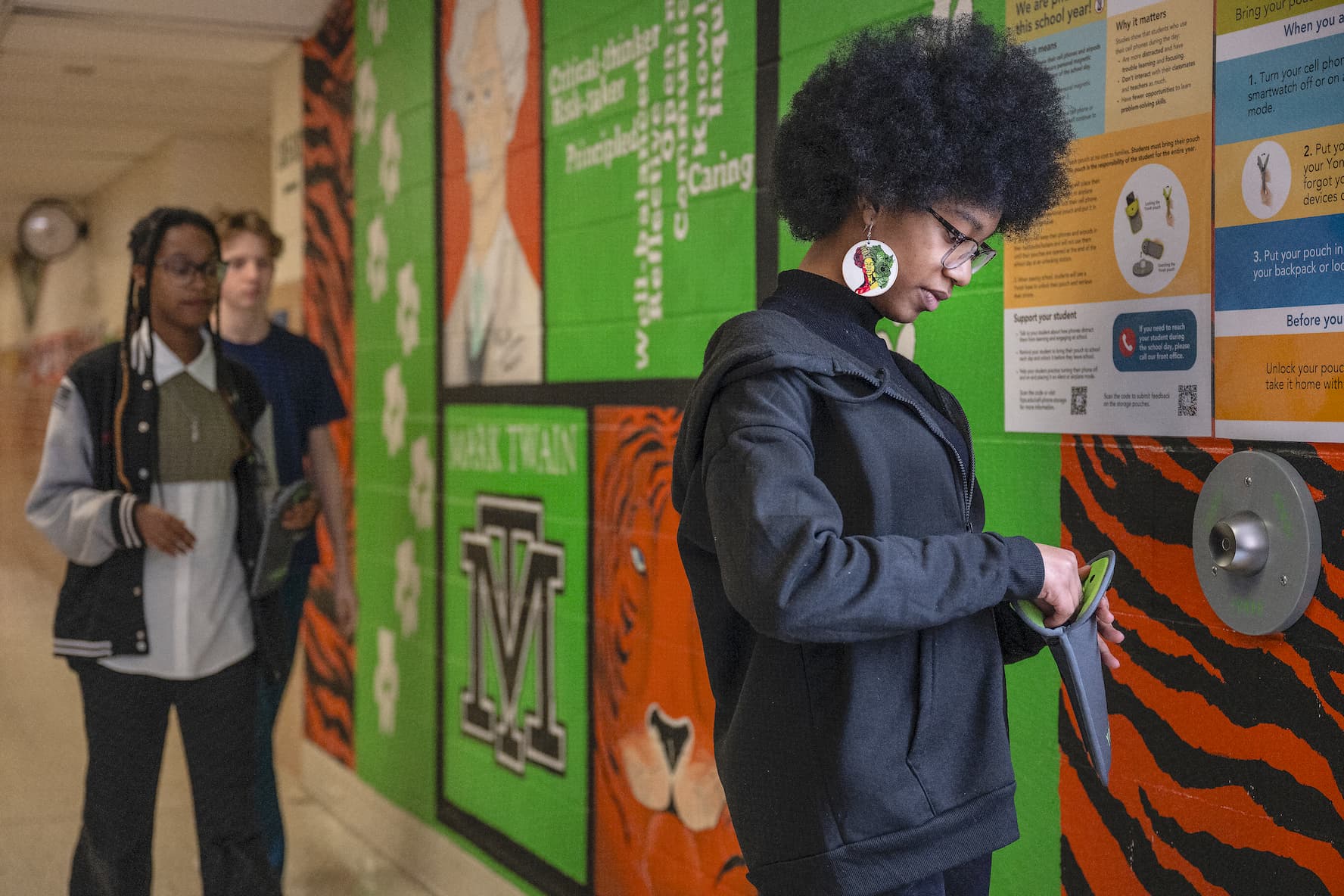
South Korea: Divergent Implementation in Elementary vs. Middle Schools Local media reports highlight a stark contrast in how South Korean schools are enforcing the 2026 law banning smartphone use during class. Hankyoreh reports that 87% of middle schools now collect phones upon arrival, whereas only 9% of elementary schools do so, with most allowing possession but restricting usage times. The Ministry of Education is expanding "phone-free" pilot schools to 276 institutions to combat school violence, aiming for 400 schools by next year.
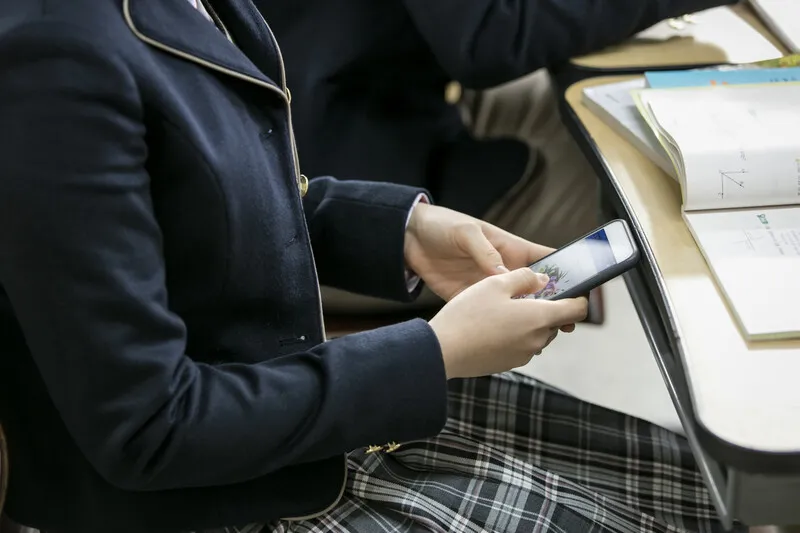
France: Teachers Call for More Time to Implement Phone Bans In France, where phone bans have extended to high schools as of September 2026, the Snpden-UNSA union is requesting more implementation time. Café Pédagogique reports that while 66% of school leaders support the ban, they argue that enforcement mechanisms and parental communication require a longer transition period than the current rapid rollout allows. Critics also point out the contradiction of banning phones while simultaneously mandating AI curriculum integration.
Context & numbers
- NSW Screen Caps: Students may be limited to 15 minutes of screen time per day in some year groups.
- California Liability: Potential damages up to 1.4 billion KRW (~$1M USD) per child for addiction-related harms.
- Korea Middle School Enforcement: 87% of middle schools collect phones immediately upon arrival.
- France High School Ban: Effective from the 2026 school year, covering all high school students.
On the radar
- Massachusetts Statewide Ban: A bill instituting a statewide phone ban remains pending in the legislature as districts currently operate under varying local policies.
- NYC AI Policy Release: New York City is expected to finalize its AI guidance for public schools, which includes bans on student-facing AI tools from preschool through middle school.
- Roblox Age-Based Accounts: Following the April announcement, the full rollout of "Roblox Kids" and stricter parental controls for under-16s continues to evolve, with parents advised to review new default settings for chat and game access.
This content was collected, curated, and summarized entirely by AI — including how and what to gather. It may contain inaccuracies. Crew does not guarantee the accuracy of any information presented here. Always verify facts on your own before acting on them. Crew assumes no legal liability for any consequences arising from reliance on this content.
Powered by
