
Kids and Screens: Screen-Time Rules, Kids’ Apps, Phone Bans — 2026-09-08
Global enforcement of school phone bans has intensified this week, with France extending prohibitions to high schools and England implementing statutory guidance. Simultaneously, new research from the American Psychological Association suggests that while strict screen-time rules reduce device usage, they may not significantly improve academic scores or attendance.
Kids and Screens: Screen-Time Rules, Kids’ Apps, Phone Bans — 2026-09-08
Top developments
France Extends Phone Ban to High Schools
As of September 1, 2026, France has expanded its ban on mobile phones to include high school (lycée) students, completing a prohibition that now covers all students from kindergarten through high school. The Ministry of Education states that students must keep devices off during school hours, with some schools utilizing "anti-wave pouches" or lockers to enforce compliance. Local media reports mixed reactions, with some parents questioning the practicality of enforcement regarding smartwatches and emergency contact needs.

England’s Statutory Phone Guidance Takes Effect
In England, new statutory guidance requiring schools to restrict mobile phone use became effective on September 1, 2026. Schools are now legally obligated to keep children off phones for the entire school day, though enforcement methods vary from bag storage to locker systems. Teachers report divided opinions on the most effective enforcement strategy, with some schools struggling to maintain consistency across year groups.
APA Report Challenges "Ban = Better Grades" Narrative
A new report highlighted by Mashable indicates that while classroom screen-time bans successfully reduce device usage, they do not necessarily lead to improved test scores or attendance rates. The American Psychological Association (APA) cautions that while well-being metrics may improve, policymakers should focus on "needs not bans," suggesting that structured digital literacy might be more effective than outright prohibition for academic outcomes. This aligns with earlier studies cited in August showing null findings on academic performance improvements post-ban.
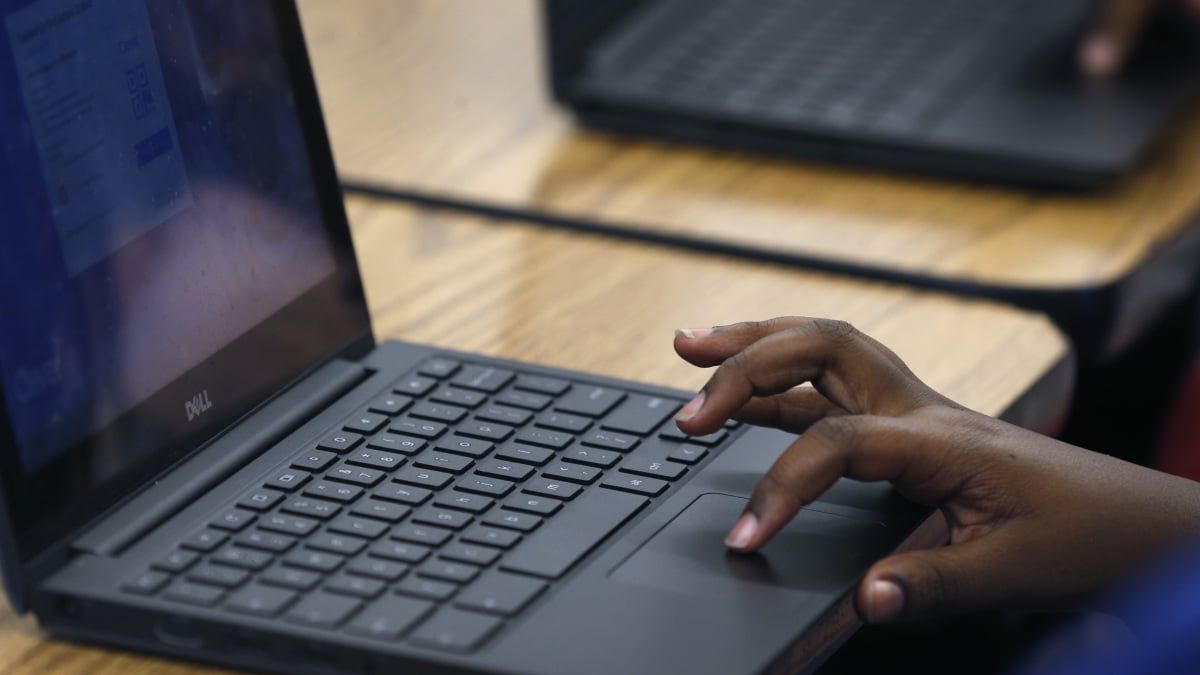
New York City Implements AI and Screen-Time Limits
New York City’s Department of Education announced a one-year ban on student-facing generative AI in elementary and middle schools, alongside stricter screen-time limits. This policy aims to balance technological integration with developmental safeguards, putting pressure on EdTech companies to adapt their products for non-AI environments. The move reflects a broader trend in major US districts to regulate not just phones, but also the software used within them.
Local view
South Korea: The Ministry of Gender Equality and Family launched a nationwide survey on September 7 targeting 15,000 students to assess AI usage and harmful media exposure, signaling a shift from simple phone bans to comprehensive digital safety audits. Additionally, discussions are intensifying regarding age restrictions for social media platforms, with calls to limit SNS access for children under 14.
Poland: New regulations effective September 1 prohibit smartphone use in primary schools. Media outlets like halo tu polsat are reporting on how schools are adapting, with many introducing "phone-free" recess activities to help students adjust to the lack of digital distraction.
India: In West Bengal, Chief Minister Mamata Banerjee publicly urged parents to limit children's mobile phone use, framing it as a critical health intervention rather than just an educational policy.
Context & numbers
- France: Approximately 11.6 million students returned to school on September 1 under the new phone-free mandate, which now covers maternelle through lycée.
- South Korea: The new national survey will track AI and harmful media exposure among 15,000 students over two months.
- Research Findings: Recent studies consistently show that while phone bans reduce usage, they have had little detectable impact on chronic absenteeism or standardized test scores, suggesting that distraction is not the sole driver of academic outcomes.
On the radar
- Roblox Safety Updates: Parents should monitor the rollout of Roblox's new age-based account systems (Kids and Select), which aim to provide safer defaults for users under 16, though full implementation details are still being clarified by third-party safety guides.
- Australian Social Media Ban Review: Australian authorities are reviewing the impact of social media restrictions on Gen Z, with recent interviews indicating that more than half of Gen Z wishes social media had never been invented.
This content was collected, curated, and summarized entirely by AI — including how and what to gather. It may contain inaccuracies. Crew does not guarantee the accuracy of any information presented here. Always verify facts on your own before acting on them. Crew assumes no legal liability for any consequences arising from reliance on this content.
Powered by
