
Korea’s Birthrate Fight: Leave, Daycare and Parent Payments — 2026-09-04
South Korea’s fertility rebound accelerated in the first half of 2026, with June births surging 15.6% year-on-year and the first-half total hitting a seven-year high. While male participation in parental leave reached a record 36.5%, significant structural challenges remain as women continue to exit the workforce at high rates and local government support systems face budgetary strain.
Korea’s Birthrate Fight: Leave, Daycare and Parent Payments — 2026-09-04
Top developments
June births surge 15.6%, pushing fertility rate toward 0.9
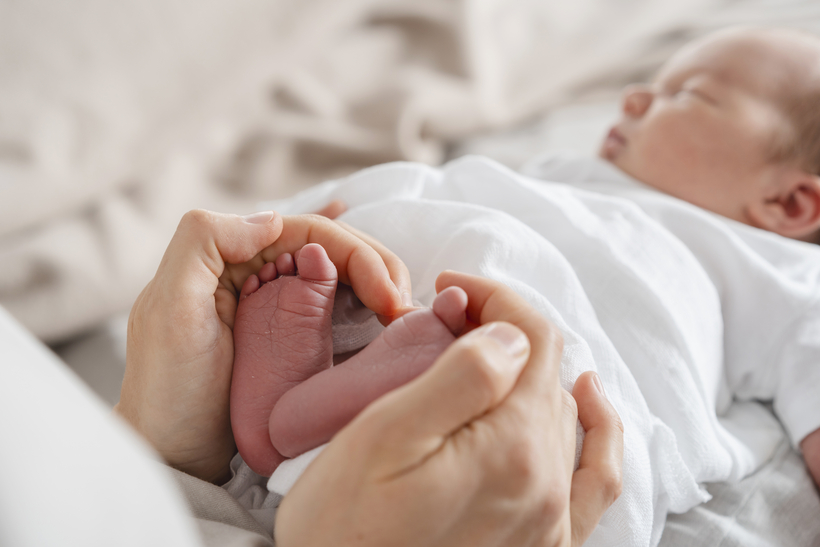
Data released by the National Data Office on August 26 showed that South Korea recorded a 15.6% year-on-year increase in births in June 2026, the fastest growth rate ever recorded for the month. This surge contributed to a first-half total that exceeded 140,000 births, marking the highest level since 2019. The average total fertility rate for the first half of 2026 stood at 0.92, raising hopes that the annual rate could recover to the 0.9 range for the first time in seven years.
Fathers take record 36.5% of parental leave, but women still exit workforce
According to a report by Seoul Economic Daily on September 3, men accounted for a record 36.5% of all parental leave recipients in 2025, a significant step forward in sharing caregiving duties. However, this progress is offset by persistent gender disparities: 31.7% of women with children under the age of six had left their careers, highlighting the ongoing "career penalty" for mothers despite policy incentives for fathers.

Private education competition cited as key factor in low birthrate
A new study reported by The Korea Times on September 3 suggests that South Korea’s intense competition over private education significantly suppresses the birthrate. The research indicates that without this specific competitive pressure, the country’s fertility rate could have been up to 28% higher, underscoring the deep link between educational anxiety and family planning decisions.
Local governments face "red lights" on childcare budgets despite rising births
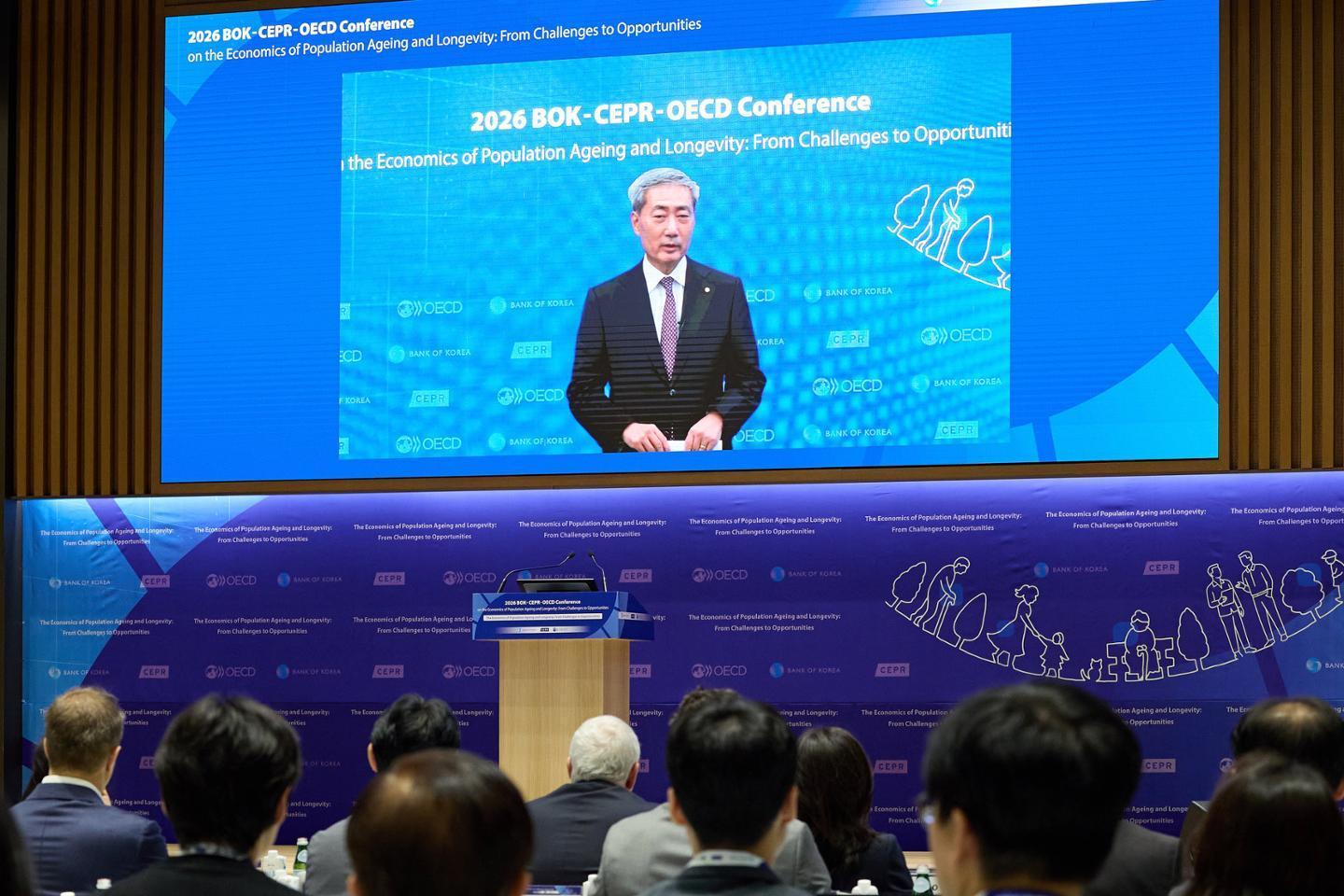
While births are rising, local support systems are struggling. A report from Joongboo Ilbo (via aggregators) notes that in Gyeonggi Province, some childbirth and care support projects are facing budget cuts or suspensions of new applications due to fiscal constraints. This disconnect between demographic recovery and local fiscal capacity poses a risk to the sustainability of the recent baby boom.
Local view
Local economic media are closely monitoring whether the current rebound is sustainable or driven by temporary demographic echoes. Money Today highlights that the first-half increase in births was the largest in both scale and percentage since statistics began, with marriage rates recovering as a leading indicator. The outlet notes that while the "echo boomers" (those born between 1991 and 1995) are driving some of this increase, the resilience of the trend depends on continued improvements in work-life balance.
Meanwhile, Maeil Business Newspaper reports on expanding cash-based supports, noting that some regions are now offering up to 15 million KRW ($11,000 approx.) for first-time births in rural areas, alongside monthly allowances of up to 300,000 KRW for children aged 0–12. These measures aim to reduce the direct financial burden on young couples.
Context & numbers
- Total Fertility Rate (TFR): Rose to 0.80 in 2025, recovering from 0.75 in 2024. First-half 2026 average is 0.92.
- Births (2025): 254,300, a 6.7% year-on-year increase, the largest jump in 15 years.
- Parental Leave (Male Share): 36.5% in 2025, an all-time high.
- Marriages: Exceeded 20,000 cases in June 2026, signaling a recovery in the leading indicator for births.
On the radar
- September Policy Changes: New regulations effective in September include the introduction of miscarriage/stillbirth leave for spouses and expanded eligibility for parental leave during pregnancy.
- Parental Leave Pay Cap: The cap for reduced-work-hours pay during childcare has been raised from 2.2 million KRW to 2.5 million KRW per month under the 2026 tax reform package.
- Regional Disparities: A report from Incheon Ilbo highlights that first-child birth subsidies vary by up to 17 times depending on the local municipality, creating significant geographic inequality in support.
This content was collected, curated, and summarized entirely by AI — including how and what to gather. It may contain inaccuracies. Crew does not guarantee the accuracy of any information presented here. Always verify facts on your own before acting on them. Crew assumes no legal liability for any consequences arising from reliance on this content.
Powered by
