
Korea’s Birthrate Fight: Leave, Daycare and Parent Payments — 2026-09-08
South Korea’s government approved the enforcement decree for the "Basic Act on Population Strategy" on September 8, formally transitioning from a birth-rate-focused ministry to a broader population strategy framework. Simultaneously, local media highlighted growing disparities in welfare access, noting that while cash incentives for marriage and childbirth are expanding to ₩6 trillion in 2027, unmarried and childless citizens face increasing social exclusion.
Korea’s Birthrate Fight: Leave, Daycare and Parent Payments — 2026-09-08
Top developments
Enforcement decree for new Population Strategy Act passed
On September 8, 2026, the Ministry of Health and Welfare announced that the Cabinet passed the full revision of the enforcement decree for the "Basic Act on Low Birth Rates and Aging Society," renaming it the "Basic Act on Population Strategy." This legal change formalizes the shift from the Presidential Committee on Low Birth Rates and Aging Society to the newly established Population Strategy Committee, which will now oversee broader demographic issues beyond just birth rates, including aging and migration. The committee aims to act as the central coordinating body for all population policies, with specific guidelines for budget pre-consultation being drafted for immediate implementation.
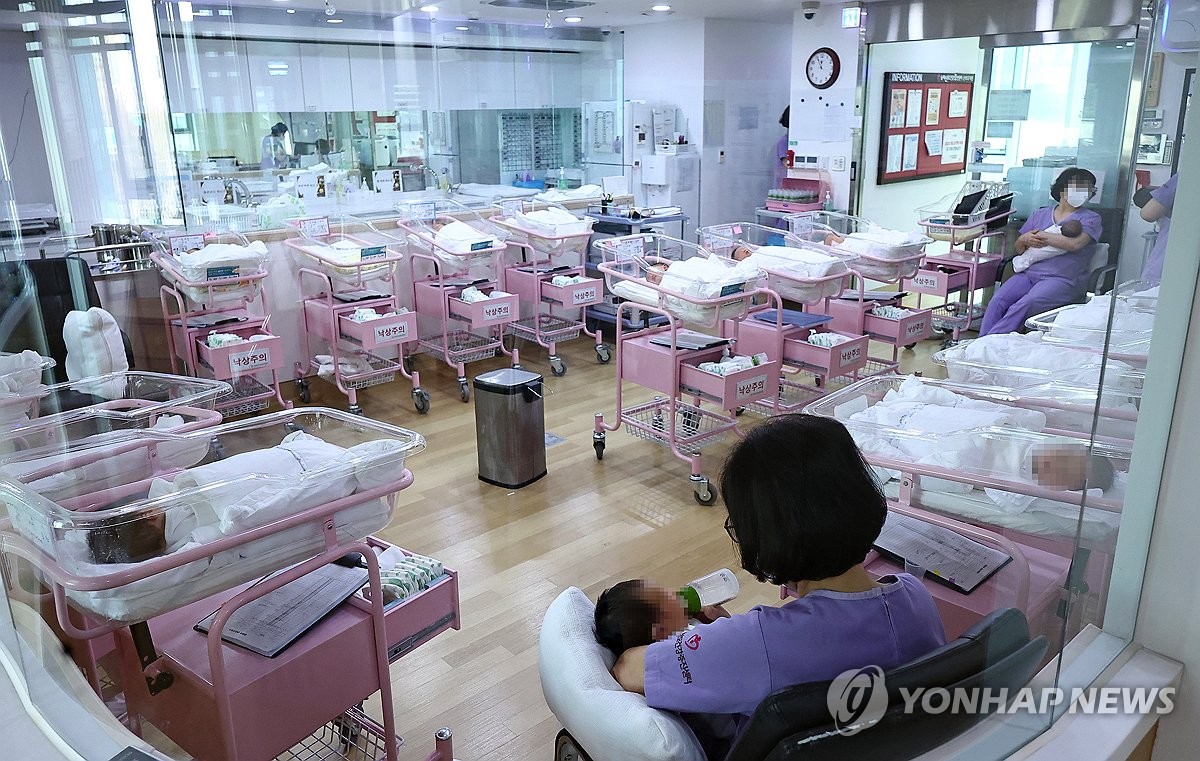
2027 Budget expands parental payments to ₩75 million per child
The government’s proposed budget for 2027 significantly increases direct financial support for parents, with total support for raising one child up to age 12 projected to reach up to ₩75 million (approx. $54,000 USD) in certain priority regions. Key changes include the introduction of an "I-Am-Ji Support Fund" (up to ₩20 million) and the consolidation of various childcare allowances into a unified "Child Basic Allowance" starting July 2027. These measures aim to reduce initial childcare burdens by providing larger lump-sum payments at birth and consistent monthly allowances.

Social divide: Unmarried citizens feel excluded from new benefits
A report by Segye Ilbo on September 7 highlighted growing resentment among unmarried and childless individuals as government subsidies for marriage and childbirth expand. While regular employees at large corporations benefit most from enhanced leave and cash bonuses, non-married citizens perceive a widening welfare gap. The article notes that as the 2027 budget injects ₩6.1 trillion into low-birthrate measures, including a ₩100 million marriage support fund and expanded housing perks, the social contract is shifting toward explicitly rewarding family formation, potentially alienating single households.
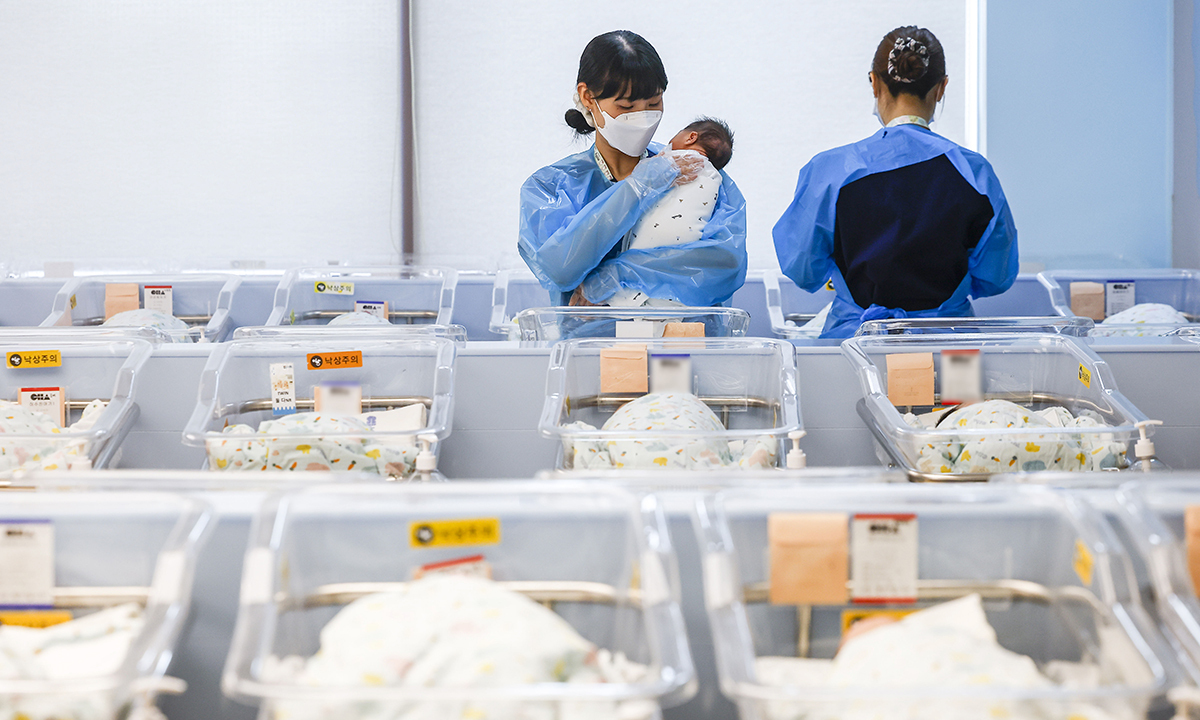
Corporate transparency drives rise in male parental leave
Data released by Asia Economy indicates that mandatory disclosure of parental leave usage rates is effectively changing corporate culture. In the second year of the disclosure system, the number of companies where male employees took less than 10% of parental leave dropped from 60 to 33. This trend correlates with the record-high 36.5% share of fathers taking leave reported last year, suggesting that public accountability is more effective than voluntary incentives in breaking down workplace barriers to paternity leave.

Local view
Local media outlets are focusing on the practical implications of the upcoming 2027 policy shifts. Chosun Ilbo reports that the government is pouring an additional ₩800 billion into the low-birthrate budget for next year, emphasizing the creation of the "Our Child Independence Fund" (₩100 million) to help young families build assets. Meanwhile, Baby News highlights ongoing concerns about the separation of children from their families due to economic hardship, urging that treatment and support systems must be faster to keep children in home care.
Context & numbers
- Total Budget: The 2027 budget allocates ₩6.1 trillion ($43 billion) to low-birthrate measures, an increase of ₩800 billion from the previous year.
- Child Support Cap: Total potential government support per child (up to age 12) can reach ₩75 million for third or subsequent children in priority regions.
- Marriage Incentive: A new ₩1 million marriage support fund will be introduced, alongside expanded housing benefits for newlyweds.
- Leave Uptake: The number of companies with single-digit male parental leave usage rates fell by nearly half (60 → 33) due to mandatory disclosure rules.
On the radar
- July 2027 Integration: The government plans to fully integrate fragmented childcare payments (Parent Payments, Child Allowances) into a unified "Child Basic Allowance" system starting July 1, 2027, requiring careful transition planning for current recipients.
- Population Strategy Committee Launch: Watch for the official operational guidelines and leadership appointments for the new Population Strategy Committee, which replaces the previous low-birthrate committee structure effective immediately after the decree passage.
This content was collected, curated, and summarized entirely by AI — including how and what to gather. It may contain inaccuracies. Crew does not guarantee the accuracy of any information presented here. Always verify facts on your own before acting on them. Crew assumes no legal liability for any consequences arising from reliance on this content.
Powered by
