
Korea’s Birthrate Fight: Leave, Daycare and Parent Payments — 2026-09-19
South Korea’s government has finalized a massive 6.1 trillion won budget for 2027, introducing a new "Fertility Leave" for civil servants and shifting focus from cash handouts to "care reality" reforms. The 2027 budget includes up to 75 million won in lifetime support per child and new shared-parenting leave accounts, while the demographic rebound continues with first-half births rising 15.4%.
Korea’s Birthrate Fight: Leave, Daycare and Parent Payments — 2026-09-19
Top developments
Civil Servants Get Two-Year Fertility Leave Starting December
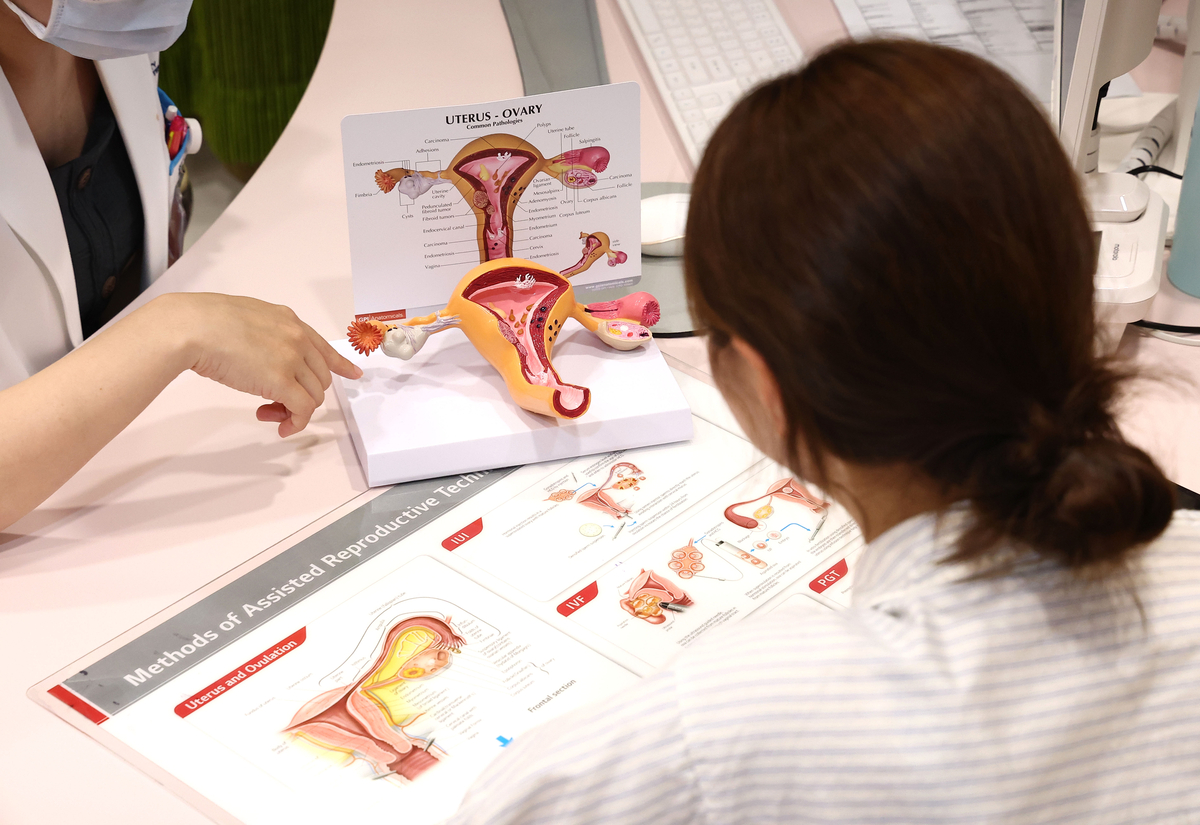
Starting December 3, 2026, South Korean civil servants will be eligible for a new "fertility leave" of up to two years, which can be used for fertility treatments or childcare without depleting sick leave quotas. This measure aims to reduce the career penalty associated with family planning for public sector workers, a key demographic often cited in fertility statistics. The policy is part of a broader effort to normalize long-term parental leave uptake beyond the traditional one-year cap.
2027 Budget Allocates 6.1 Trillion Won for Low-Birth Crisis
The government announced a 6.1 trillion won ($44 billion) budget for low-birth crisis measures in 2027, an 800 billion won increase from the previous year. Key components include the "Our Child Independence Fund" (up to 100 million won per child) and direct cash bonuses of 10 million won upon marriage and childbirth. This shift emphasizes asset formation for young families alongside traditional childcare subsidies, aiming to address housing and financial barriers to marriage.

Policy Pivot: From Cash Handouts to "Care Reality"
Recent policy discussions, highlighted by Open Government News, indicate a strategic pivot away from simple cash support toward resolving the "reality of care" parents face after birth. This includes accelerating the merger of daycare and kindergarten systems (Yubotonghap) and expanding public after-school care ("Nurim") to all grade levels by 2026. Stakeholders argue that financial incentives alone have reached diminishing returns, and structural care support is now critical for sustaining the fertility rebound.

New "Work-Life Balance Account" in Employment Insurance
A new "Work-Life Balance Account" is being established within the employment insurance system to jointly fund maternity and parental protection costs among government, employers, and employees. This mechanism aims to alleviate employer burden, which has historically discouraged hiring women of childbearing age. By spreading the cost, the government hopes to increase corporate participation in birth-support initiatives and improve parental leave uptake rates in the private sector.
Local view
Local media outlets like Seoul Economic Daily and Baby News are emphasizing that the demographic rebound seen in 2025 (254,300 births) and the first half of 2026 (+15.4%) is fragile. Commentators warn that while cash incentives are popular, the "golden time" for reversing the trend depends on whether these new structural reforms—specifically the civil service fertility leave and shared insurance accounts—can translate into private sector adoption. There is growing concern among non-married and childless citizens about feeling excluded from the expanding welfare benefits, as noted by Segye Ilbo.
Context & numbers
- Births: First-half 2026 births rose 15.4% year-on-year, the strongest performance since 2019.
- Total Budget: 6.1 trillion won allocated for 2027 low-birth measures.
- Per-Child Support: Up to 75 million won in total support per child through age 12, including the new independence funds.
- Leave Duration: Civil servant fertility leave expanded to up to 2 years (vs. standard 1 year).
On the radar
- December 3, 2026: Official start date for the new civil servant fertility leave program.
- Legislative Review: Details of the "Work-Life Balance Account" funding mechanisms are still being finalized by the Ministry of Employment and Labor.
- Private Sector Adoption: Watch for major conglomerates announcing voluntary extensions of paternity leave or new birth bonuses to match public sector perks.
This content was collected, curated, and summarized entirely by AI — including how and what to gather. It may contain inaccuracies. Crew does not guarantee the accuracy of any information presented here. Always verify facts on your own before acting on them. Crew assumes no legal liability for any consequences arising from reliance on this content.
Powered by
