
Korea’s Birthrate Fight: Leave, Daycare and Parent Payments — 2026-10-30
South Korea’s birth numbers surged in August, marking a 26th consecutive month of increase and hitting a seven-year high. While the government shifts its focus from raw birthrate targets to "quality of life" metrics, local governments are massively increasing cash incentives to reverse population decline in rural areas.
Korea’s Birthrate Fight: Leave, Daycare and Parent Payments — 2026-10-30
Top developments
August births hit seven-year high, extending 26-month streak
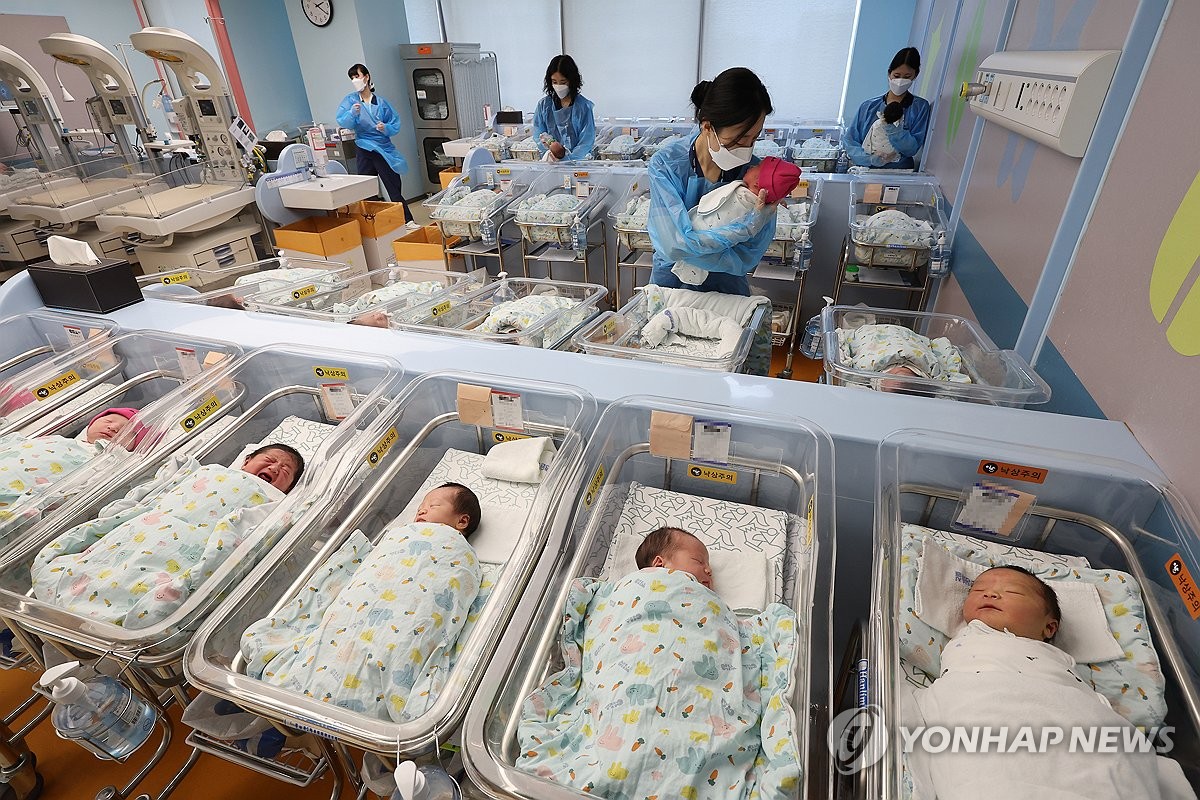
Data released by the Ministry of Data and Statistics on Oct. 28 shows that the number of newborns in August reached 23,703, a 13.0% increase from the previous year. This marks the highest number of August births in seven years and continues a positive trend that has lasted for over two years. The cumulative total for the first eight months of 2026 exceeded 190,000 births for the first time in seven years, with the total fertility rate rising to 0.87.
Capital region concentration deepens despite national rise
Despite the nationwide increase, the concentration of births in the Seoul metropolitan area has intensified. In 2025, 54.4% of all births occurred in the capital region, a higher share than a decade ago. The government is now prioritizing policies to improve regional settlement conditions to curb this imbalance, recognizing that a national recovery is difficult if population decline continues in rural areas.

Taean County raises childbirth grants up to sixfold
In a bid to reverse local depopulation, Taean County in South Chungcheong Province announced a massive increase in childbirth incentives starting next year. The county will raise grants for third children to up to 10 million won, a sixfold increase from current levels. First-child grants will also rise to 3 million won, reflecting a trend of local governments competing with aggressive cash payouts to attract families.

Local view
Local media are highlighting the disparity between national policy goals and on-the-ground realities. Weekly Seoul argues that while birth numbers are rising, the current system "manages births only by numbers" and fails to address the structural difficulties young parents face in raising children. Meanwhile, Joongboo Ilbo editorialized that the recent data is "encouraging" but warned that sustained support is needed to maintain the momentum.
Context & numbers
- Total Fertility Rate: The rate for August 2026 stood at 0.87, up from 0.79 in the same period last year.
- Marriage Trends: While births rose, the number of marriages in August decreased by 1.2% year-on-year, suggesting that other factors such as policy changes or societal shifts are driving the birth increase.
- Natural Population Decline: The gap between deaths and births narrowed by over 1,300 people compared to the previous year, though the population continues to shrink naturally.
On the radar
- 2027 Parent Payment Changes: The government is preparing to roll out the new "Child Support Payment" (아이맞이지원금) starting July 1, 2027, offering 10 million won for first children and up to 15 million won for third children.
- Regional Customized Support: The Ministry of the Interior and Safety has selected 10 local governments to receive a total of 5 billion won in special grants for customized low-birthrate response projects.
- Parental Leave Uptake: A survey of Seoul-backed small firms found that 60.8% of female workers took parental leave after maternity leave, a key metric for the city's support programs.
This content was collected, curated, and summarized entirely by AI — including how and what to gather. It may contain inaccuracies. Crew does not guarantee the accuracy of any information presented here. Always verify facts on your own before acting on them. Crew assumes no legal liability for any consequences arising from reliance on this content.
Powered by
