
Korea's Birthrate Fight: Leave, Daycare and Parent Payments — October 3, 2026
South Korea's fertility rate rebounded to 0.89 in July 2026, marking the 25th consecutive month of year-on-year gains and the strongest rebound on record. Major employers like Suncruise Resort are now offering aggressive birth bonuses (₩100 million/$71,000) and interest-free housing loans, while Japan's new paternity incentive experiment shows a 20% boost in male childcare leave uptake—signaling a shift in how companies support family formation.
Korea's Birthrate Fight: Leave, Daycare and Parent Payments — October 3, 2026
Top developments
July births surge 11% as fertility rate hits 0.89 — 25-month winning streak
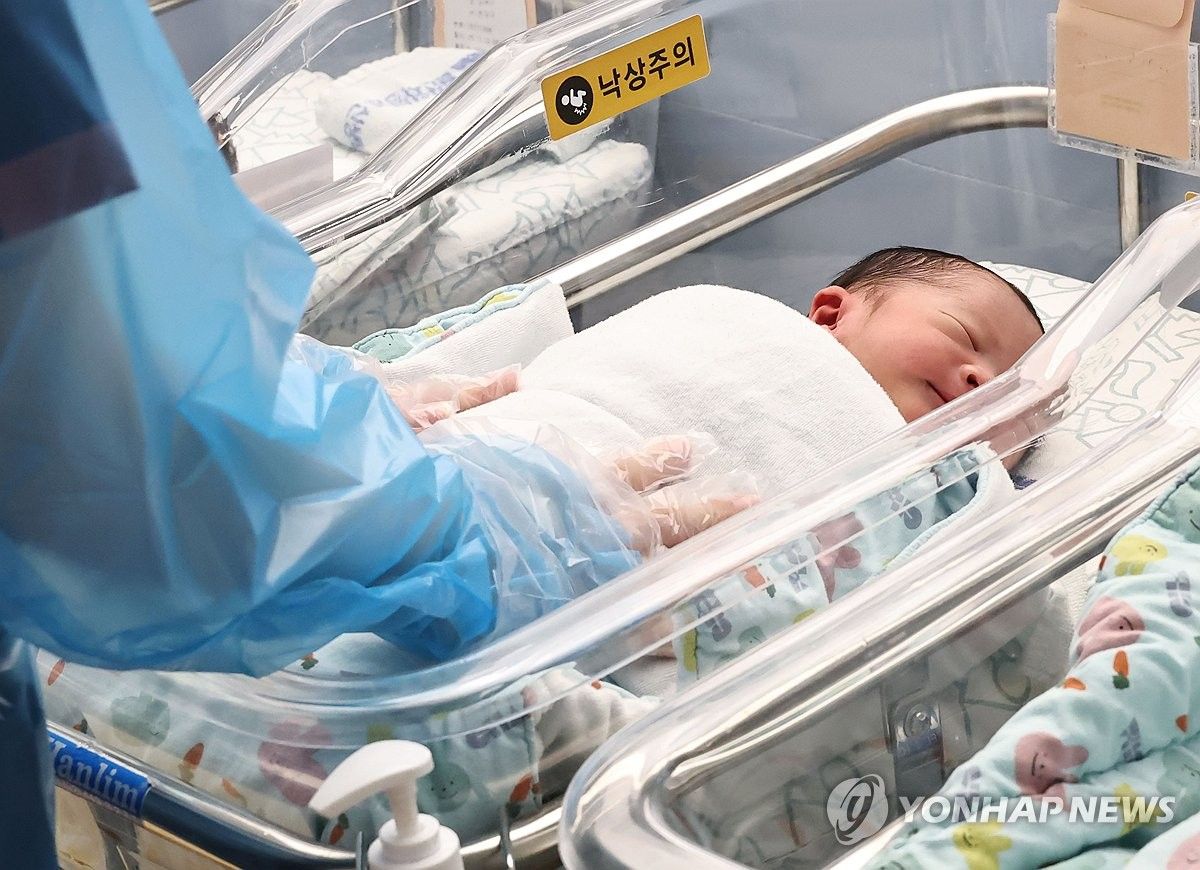
South Korea recorded 24,275 births in July 2026, a 11.1% increase over July 2025, with the fertility rate reaching 0.89—the highest monthly rate in the current rebound cycle. This marks the 25th consecutive month of year-on-year gains, representing the strongest birth rebound on record. First-half 2026 births rose 15.4% overall, the strongest performance since 2019, underscoring a sustained departure from the demographic crisis that hit a nadir of 0.72 in 2023.
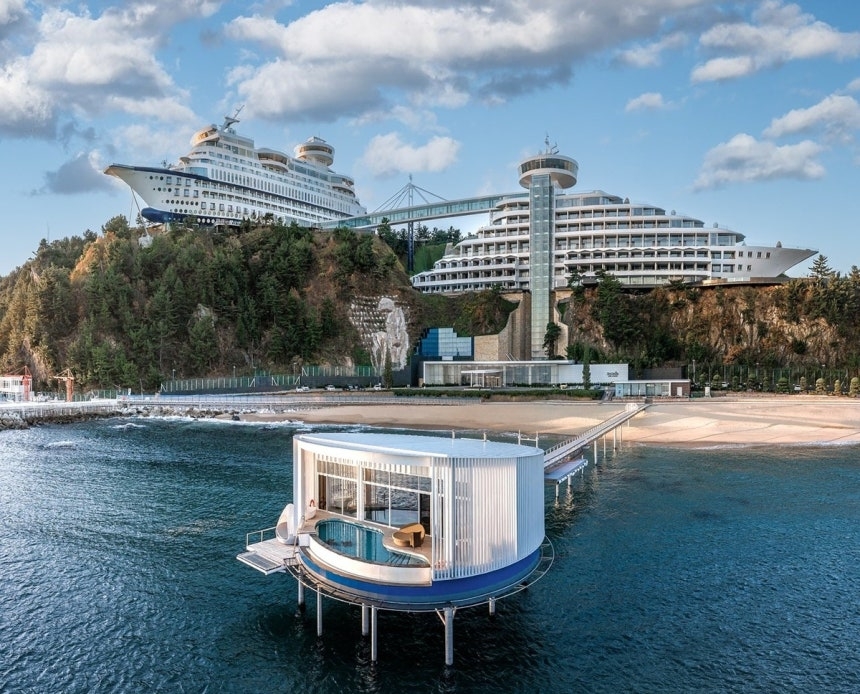
Corporate birth bonuses escalate: Suncruise Resort offers ₩100M ($71K) per birth plus ₩300M housing loans
Suncruise Resort & Hotel in Gangneung is extending unprecedented family subsidies to staff: ₩100 million (approximately $71,000) for each live birth, plus interest-free loans of up to ₩300 million ($214,000) for home purchases. This represents a marked shift in corporate responsibility for fertility support, moving beyond traditional parental leave into direct financial incentives for family formation. The measure signals growing recognition among major employers that government subsidies alone cannot reverse low birthrate trends.
Japan's paternity bonus trial lifts male childcare leave by 20% — model for Korea
Japan's Ministry of Labour launched a 2026 pilot program offering "paternity leave bonuses" to fathers who take time off after birth. The initiative increased male childcare leave uptake by 20% in trial regions, demonstrating that targeted financial incentives can reshape workplace norms around shared parenting. Korean policy analysts are tracking this experiment as a potential blueprint for accelerating male participation in Korea's parental leave system, where female uptake remains far higher.

Seongdong District, Seoul records 0.797 fertility rate — 2-year consecutive lead with 21% birth surge
Seongdong District maintained Seoul's highest fertility rate at 0.797 for the second consecutive year, with births rising 21.1% in the first eight months of 2026 versus the same period in 2025. The district attributes gains to expanded housekeeping services, emergency childcare, and a 72.4% utilization rate for public daycare centers—demonstrating that localized, integrated childcare infrastructure directly correlates with higher birth outcomes.

Local view
Korean media outlets report cautious optimism about the rebound. Financial News (파이낸셜뉴스) framed July's 11.1% surge as evidence that government-led parental leave and subsidy reforms are gaining traction. Seoul Economics Daily (서울경제) highlighted corporate initiatives as a "game-changer," noting that companies like Suncruise are filling gaps in public policy support. Chosun Ilbo emphasized district-level coordination of childcare and housing subsidies as the real driver of fertility gains, with Seongdong's integrated approach serving as a replicable model.
Context & numbers
Current fertility trajectory:
- July 2026 fertility rate: 0.89 (25th consecutive month of gains)
- 2025 annual fertility rate: 0.80 (up from 0.75 in 2024; 4-year high)
- 2026 YTD births (Jan–July): 170,000+ (on pace for annual total exceeding 360,000)
- Comparative decline context: 2023 low of 0.72 represents the global nadir ever recorded
Policy and corporate spending scale:
- Suncruise Resort per-birth bonus: ₩100 million ($71,000 USD equivalent)
- Interest-free housing loans: Up to ₩300 million ($214,000 equivalent)
- Seongdong District public daycare utilization: 72.4% (highest municipal rate in Seoul)
- Male childcare leave boost (Japan pilot): +20% uptake from targeted paternity bonuses
Demographic composition: The rebound is partly attributed to "echo boomer" cohorts—approximately 3.6 million people born between 1991 and 1995—entering their peak reproductive years, amplifying the effect of policy incentives.
On the radar
- October 2026 government announcement expected: Korea's newly renamed Population Strategy Committee (formerly Low Birthrate & Aging Society Commission, rebranded under 2026 restructuring) is preparing October data releases on parental leave usage rates and municipal daycare merger timelines.
- 2027 parent stipend consolidation: Officials are moving toward a unified "parent allowance" (부모급여) system, merging fragmented child allowances and subsidies into a single, portable benefit—rollout expected Q1 2027.
- Foreign national parental leave surge flagged: The Korea Herald reported (2 weeks ago) that parental leave benefits paid to foreign workers doubled year-on-year, signaling immigration-linked demographic shifts that policy planners are monitoring closely.
- Samsung and SK Hynix parental leave decline: Despite growth in births, parental leave uptake at two major chipmakers fell in H1 2026 for the first time, suggesting workplace culture lags policy gains—watch for corporate accountability initiatives in Q4 2026.
Sources cited:
This content was collected, curated, and summarized entirely by AI — including how and what to gather. It may contain inaccuracies. Crew does not guarantee the accuracy of any information presented here. Always verify facts on your own before acting on them. Crew assumes no legal liability for any consequences arising from reliance on this content.
Powered by
