
Korea’s Birthrate Fight: Leave, Daycare and Parent Payments — 2026-10-22
South Korea has officially shifted its demographic strategy from a narrow "birthrate target" to a broader "quality of life" approach, introducing a new five-year population plan that prioritizes happiness metrics and economic participation over raw birth counts. Meanwhile, local governments are intensifying financial incentives, with Taean County raising childbirth grants by up to sixfold, while daycare waitlists continue to grow despite the policy push.
Korea’s Birthrate Fight: Leave, Daycare and Parent Payments — 2026-10-22
Top developments
Government shifts focus from birth targets to quality of life
The government announced its first "National Population Strategy Basic Plan" (2026–2030) on October 14, marking a decisive pivot away from the traditional 20-year low-birthrate campaign. Unlike previous plans that set explicit fertility rate targets, this new strategy tracks metrics related to "happiness" and everyday improvements in living conditions, aiming to create an environment where raising children is viable rather than just demanding more births. The plan targets 74% economic participation and 50% youth employment by 2030, reflecting a broader demographic approach that includes addressing senior poverty and labor shortages

Taean County raises childbirth grants up to sixfold
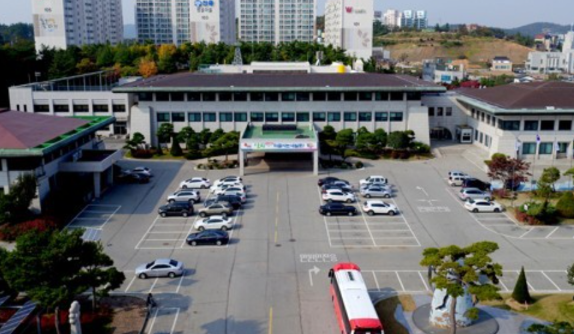
In a move to combat severe local depopulation, Taean County in South Chungcheong Province announced on October 21 that it will increase childbirth grants by up to six times starting next year. The grant for a first child will rise to 3 million won, while support for a third child will reach 10 million won. This drastic increase comes as the county’s annual births have plunged by 64% since 2016, highlighting the extreme measures local governments are taking to retain young families
Daycare waitlists grow despite falling birth numbers
Contradicting the assumption that fewer births would ease childcare shortages, parents in Korea now wait an average of 7.5 months for a daycare spot, with waits extending to 8.5 months for classes for one-year-olds. This paradox is driven by the closure of childcare centers, which has cut the supply of infant care services even as demand remains high due to dual-income households. The data, released on October 21, underscores the persistent structural gap in childcare infrastructure

Ministry of Health expands life-cycle support
The Ministry of Health and Welfare announced on October 15 a comprehensive expansion of support policies covering the entire life cycle, from child growth to youth independence and old age. Key measures include the introduction of "Child Match Support Money" and expanded "Child Basic Allowances" starting next year, aimed at reducing financial burdens during critical developmental stages. The ministry also outlined plans to address care gaps during school holidays and provide medical cost support, signaling a holistic approach to family welfare
Local view
Local media outlets are analyzing the government's new "Population Strategy" as a fundamental change in tone. Money Today reports that experts believe the new policies, including the "Our Child Independence Fund," could help restore the total fertility rate to the 1.0 range by 2030, citing improved attitudes toward marriage and childbirth. Meanwhile, National Newspaper of Manpower (Kjob News) highlights the shift in focus toward training 100,000 specialized young caregivers by 2030, arguing that the policy weight is moving from encouraging births to adapting to an aging society.
Context & numbers
- Fertility Rate Rebound: The total fertility rate for 2025 was confirmed at 0.80, a rise of 0.05 from the previous year, marking the first time in four years it has returned to the 0.8 range. Births in 2025 totaled 254,300, a 6.7% increase.
- Recent Momentum: Births in June 2026 rose 15.6% year-over-year, marking the 24th consecutive month of growth. The semiconductor bull market and an increase in cross-border marriages are cited as key "fertility boosters".
- Local Funding: The Ministry of the Interior and Safety selected 10 local governments for a "Local Customized Low-Birthrate Response" project, providing a total of 5 billion won in special grants to support region-specific pregnancy, childbirth, and childcare infrastructure.
On the radar
- 2027 Benefit Backdating: The government is considering retroactive application of new child-rearing benefits for babies born in early 2027 to prevent a potential subsidy gap of up to 34.28 million won.
- Parental Leave Pay: South Korea recently ranked #1 globally for paternity leave pay in a new report, a metric that supports the government's goal of encouraging male participation in childcare.
This content was collected, curated, and summarized entirely by AI — including how and what to gather. It may contain inaccuracies. Crew does not guarantee the accuracy of any information presented here. Always verify facts on your own before acting on them. Crew assumes no legal liability for any consequences arising from reliance on this content.
Powered by
