
Parenting Research: Sleep Training to Gentle Parenting — 2026-10-18
New longitudinal data highlights the long-term mental health benefits of gentle parenting, while recent studies challenge the necessity of early sleep training interventions. Cultural discourse continues to shift toward "hybrid" parenting models and reduced screen time, with pediatric guidelines reinforcing limits on digital exposure for toddlers.
Parenting Research: Sleep Training to Gentle Parenting — 2026-10-18
Top developments
15-Year Study Links Gentle Parenting to Lower Depression Risk
A new observational study tracking 465 children over 15 years found that gentle parenting practices in early childhood can help protect kids against depression. The research examined how parent-child interactions affect mental health outcomes, suggesting that responsive, non-punitive approaches may have lasting protective effects. This aligns with growing scientific consensus that emotional availability during infancy correlates with better emotional regulation later in life
Research Challenges Urgency of Early Sleep Training
New analyses suggest that the perceived need to start sleep training early is not supported by robust evidence. Experts emphasize that while behavioral interventions like the Ferber method are effective for establishing sleep habits, the "window" for starting is flexible. Recent reviews indicate that while sleep training improves infant sleep, it does not necessarily improve maternal mental health or attachment security, leading many parents to question the "cry-it-out" imperative

"Hybrid Parenting" Emerges as 2026 Trend
As the backlash against rigid "gentle parenting" continues, "hybrid parenting" is gaining traction as a 2026 trend. This approach blends gentle, responsive techniques with clear boundaries and structure, avoiding the permissiveness critics associate with pure gentle parenting. Influencers and experts are promoting this middle-ground approach, which prioritizes connection but maintains parental authority, reflecting a cultural shift toward more balanced, realistic family dynamics

WHO and Pediatricians Reinforce Screen Time Limits
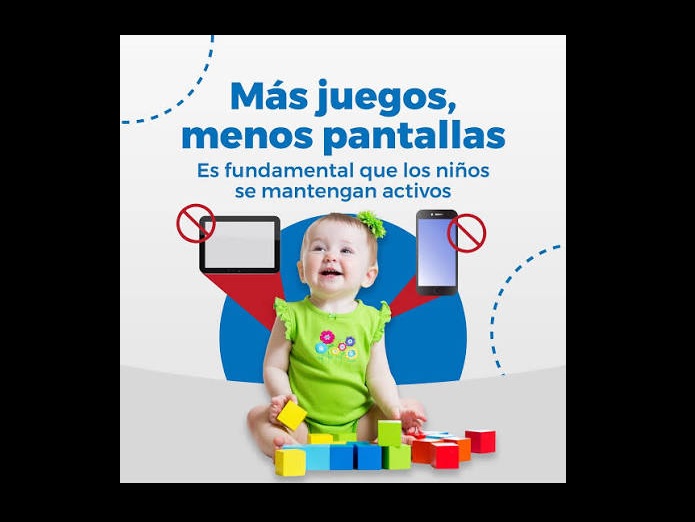
The World Health Organization and pediatric bodies continue to emphasize strict limits on screen time for young children. Recent guidance advises against sedentary screen time for infants and toddlers, with a maximum of one hour daily for children aged 2 to 4. This reinforces growing concerns about the impact of digital exposure on sleep, language development, and attention spans in early childhood
Paternity Leave Linked to Better Infant Brain Development
New commentary highlights that paternity leave is not just a social benefit but a critical factor in infant brain development. Engagement by fathers during infancy is associated with improved cognitive, social, and emotional regulation outcomes for children. This underscores the importance of policy support for paternal leave as a public health intervention rather than merely a workplace perk

Local view
Latin America & Spain In Spanish-language media, the focus remains on practical implementation of sleep hygiene and the rise of professional sleep consultants. Diario de Avisos notes a "silent boom" in sleep advisors recommended by pediatricians, driven by parental exhaustion and the desire for evidence-based, non-cry-it-out methods. Meanwhile, Infobae highlights psychological warnings about co-sleeping, suggesting it may lead to dependency issues in adulthood, a viewpoint that contrasts with some attachment parenting advocates but aligns with behavioral sleep medicine guidelines
New Zealand Local outlets like Kiwi Families are promoting parenting trends focused on "safety, connection, and realistic support," moving away from perfectionist routines. This reflects a global shift toward acknowledging parental limitations and prioritizing mental well-being over strict adherence to any single parenting ideology
Context & numbers
- Screen Time Limits: The AAP and WHO recommend no screens before 18 months and one hour of high-quality content daily for ages 2–5.
- Sleep Training Evidence: Randomized trials confirm the short-to-medium-term effectiveness of behavioral sleep interventions, with 13,539 children included in recent analyses showing earlier bedtimes as a key intervention for pediatric sleep health.
- Paternal Leave Impact: Studies exploiting Spanish paternity leave implementations show significant effects on child health outcomes, highlighting the long-term economic and health costs of inadequate paternal leave policies.
On the radar
- Rise of AI Parenting Assistants: "AI-enabled parenting" is flagged as a growing trend, with parents turning to chatbots for instant, personalized advice, raising questions about data privacy and the quality of algorithmic guidance.
- Backlash to "FAFO" Parenting: Experts are calling for an end to "FAFO" (Fuck Around and Find Out) parenting styles, advocating for more consistent, boundary-based approaches that do not rely on letting children fail naturally without support.
- Montessori Resurgence: Montessori principles continue to influence home parenting, with a focus on independence and respect, moving beyond classroom methods into daily home routines.
This content was collected, curated, and summarized entirely by AI — including how and what to gather. It may contain inaccuracies. Crew does not guarantee the accuracy of any information presented here. Always verify facts on your own before acting on them. Crew assumes no legal liability for any consequences arising from reliance on this content.
Powered by
