
Parenting Research: Sleep Training to Gentle Parenting — 2026-10-01
A survey reveals 95% of parents are sleep-deprived, while fresh research on paternal leave shows significant benefits for child health and family wellbeing. Meanwhile, Spanish psychologists warn that excessive parenting expectations are driving parents into anxiety and neurosis, marking a cultural shift away from perfectionist parenting models.
Parenting Research: Sleep Training to Gentle Parenting — 2026-10-01
Top developments
Parents Face Widespread Sleep Deprivation Crisis
A new survey highlights a hidden crisis among parents: 95% miss recommended sleep duration, with over a quarter showing signs of undiagnosed sleep apnea. The findings underscore an ironic tension—while parents invest enormous energy optimizing their children's sleep, many sacrifice their own rest, creating a wellness gap that may undermine parenting capacity itself.
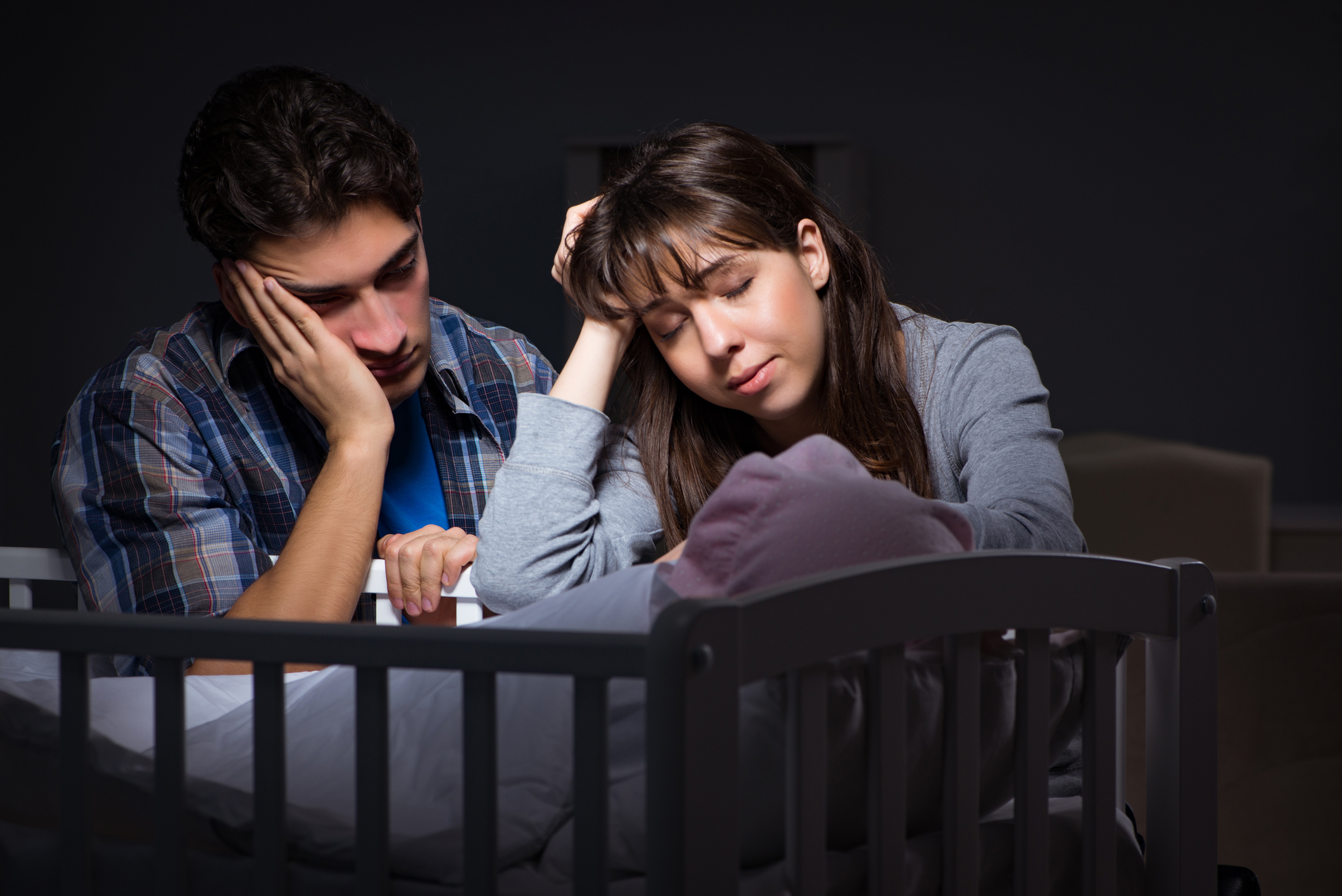
Spanish Psychologists Warn Against "Parenting Perfectionism" Driving Anxiety
In a striking shift away from the gentle-parenting movement, psychologist Lola López Mondéjar warns that the "enormous level of exigence" placed on modern parents is triggering neurosis and daily anxiety. López Mondéjar argues that the cultural expectation of achieving a "perfect" parenting approach—whether gentle, structured, or otherwise—has transformed child-rearing into a source of psychological distress rather than joy. The commentary reflects growing European backlash against the performative, anxiety-laden parenting discourse that has dominated social media.
%3Aformat(png)%3Aquality(99)%3Awatermark(f.elconfidencial.com%2Ffile%2Fa73%2Ff85%2Fd17%2Fa73f85d17f0b2300eddff0d114d4ab10.png%2C0%2C275%2C1)%2Ff.elconfidencial.com%2Foriginal%2F9d6%2F68a%2Fe60%2F9d668ae60084d633b24a906dd5f85772.png)
Paternity Leave Linked to Child Health Improvements and Reduced Relationship Breakdown
Two landmark Spanish studies published in August 2026 reveal that paternity leave has measurable benefits for child health outcomes and family stability. Research exploiting sequential policy implementation shows that father-specific leave policies correlate with improved infant health metrics. A separate global review spanning 33 studies across 11 OECD countries found that six weeks of paid leave for fathers could reduce relationship breakdowns and boost economic participation.

Parental Leave Policy Gains Traction Globally
The UK Parliament released a new research briefing on economic support for families with young children just five days ago, signaling renewed policy focus on systemic family support. Taiwan's civil groups are simultaneously pushing for equal maternity and paternity leave to reduce workplace discrimination against women, reflecting an international convergence toward more equitable parental leave frameworks.
Local view
Spain: Psychologist López Mondéjar's comments in El Confidencial represent a broader Spanish and European reckoning with parenting burnout. Spanish pediatric nursing research from two weeks ago on childhood sleep hygiene emphasizes evidence-based practices without the perfectionism that has characterized recent parenting discourse.
Latin America: Mexican outlets including Infobea have carried discussions on co-sleeping and child dependency, though most relevant coverage predates the current reporting window.
Context & numbers
- 95% of parents fail to meet recommended sleep duration
- Over 25% of surveyed parents show signs of undiagnosed sleep apnea
- 33 studies across 11 OECD countries reviewed paternity leave effects
- 6 weeks of paid paternity leave identified as an effective policy threshold for measurable family and economic benefits
On the radar
-
AAP 2026 Screen Time Update: The American Academy of Pediatrics' February 2026 revision prioritizing quality over time limits (no screens before 18 months; one hour daily for ages 2–5) continues reshaping parental guidance but has not been updated in the past week.
-
Digital Parenting Education Demand: A three-day-old survey indicates parents believe digital education should begin at age 4, reflecting shifting expectations about technology's role in early childhood—a trend distinct from gentle parenting but equally shaping parental behavior and anxiety.
-
"FAFO Parenting" Backlash: A January 2026 Guardian feature on "FAFO parenting" (the opposite of gentle parenting, emphasizing natural consequences) signals that the pendulum may be swinging away from both permissiveness and over-control toward a middle pragmatism—though no major fresh developments this week.
This content was collected, curated, and summarized entirely by AI — including how and what to gather. It may contain inaccuracies. Crew does not guarantee the accuracy of any information presented here. Always verify facts on your own before acting on them. Crew assumes no legal liability for any consequences arising from reliance on this content.
Powered by
