
Parenting Research: Sleep Training to Gentle Parenting — 2026-09-04
This week, the debate over infant sleep practices intensified as Spanish media highlighted psychological warnings against prolonged co-sleeping, while Harvard professor Arthur Brooks emphasized the critical role of parental involvement in fostering child responsibility. Meanwhile, cultural discourse shifted further away from "gentle parenting" toward more structured approaches, with recent articles criticizing the potential harms of permissive trends.
Parenting Research: Sleep Training to Gentle Parenting — 2026-09-04
Top developments
Psychologists link prolonged co-sleeping to adult dependency issues
Recent coverage in Spanish psychological outlets has revived concerns about long-term co-sleeping (colecho). Articles published in late August and early September argue that while co-sleeping may offer short-term comfort, extending it for many years interferes with a child's growth and independence. The consensus presented is that it can lead to lower quality and quantity of sleep for both parents and children, potentially contributing to dependency issues in adulthood.

Harvard Professor Arthur Brooks advocates for high-engagement parenting
In a widely shared interview published on September 3, 2026, Harvard professor Arthur Brooks stated that children become more responsible and meticulous when their parents are deeply involved in their lives. This commentary aligns with a broader academic push against passive parenting styles, suggesting that active parental engagement is a stronger predictor of positive character development than specific disciplinary techniques alone.

Cultural backlash against "Gentle Parenting" continues
A new roundup of parenting trends published in early September highlights a growing fatigue with "gentle parenting." Critics and some parents are increasingly viewing permissive interpretations of gentle parenting as harmful, advocating instead for clear boundaries. This shift is part of a larger trend away from the "FAFO" (Fuck Around Find Out) parenting style that gained traction in early 2026, moving toward what some describe as "hybrid discipline" that balances empathy with firmness.
Sleep training evidence remains mixed but supportive of behavioral methods
While no major new clinical trials were released this week, ongoing discussions continue to reference the substantial body of evidence supporting behavioral sleep interventions. A recent review referenced in medical news underscores that consolidated nighttime sleep is critical for physical and cognitive growth, and that multiple behavioral approaches (such as graduated extinction) are effective in reducing night wakings without causing long-term harm, countering persistent myths about the dangers of sleep training.

Local view
Spain: The Spanish press is actively debating the boundaries of co-sleeping. El Periódico and OK Diario have both published pieces in late August/early September citing psychologists who warn that long-term co-sleeping hinders emotional autonomy. This reflects a local tension between traditional attachment parenting advice and newer psychological perspectives on independence.
Context & numbers
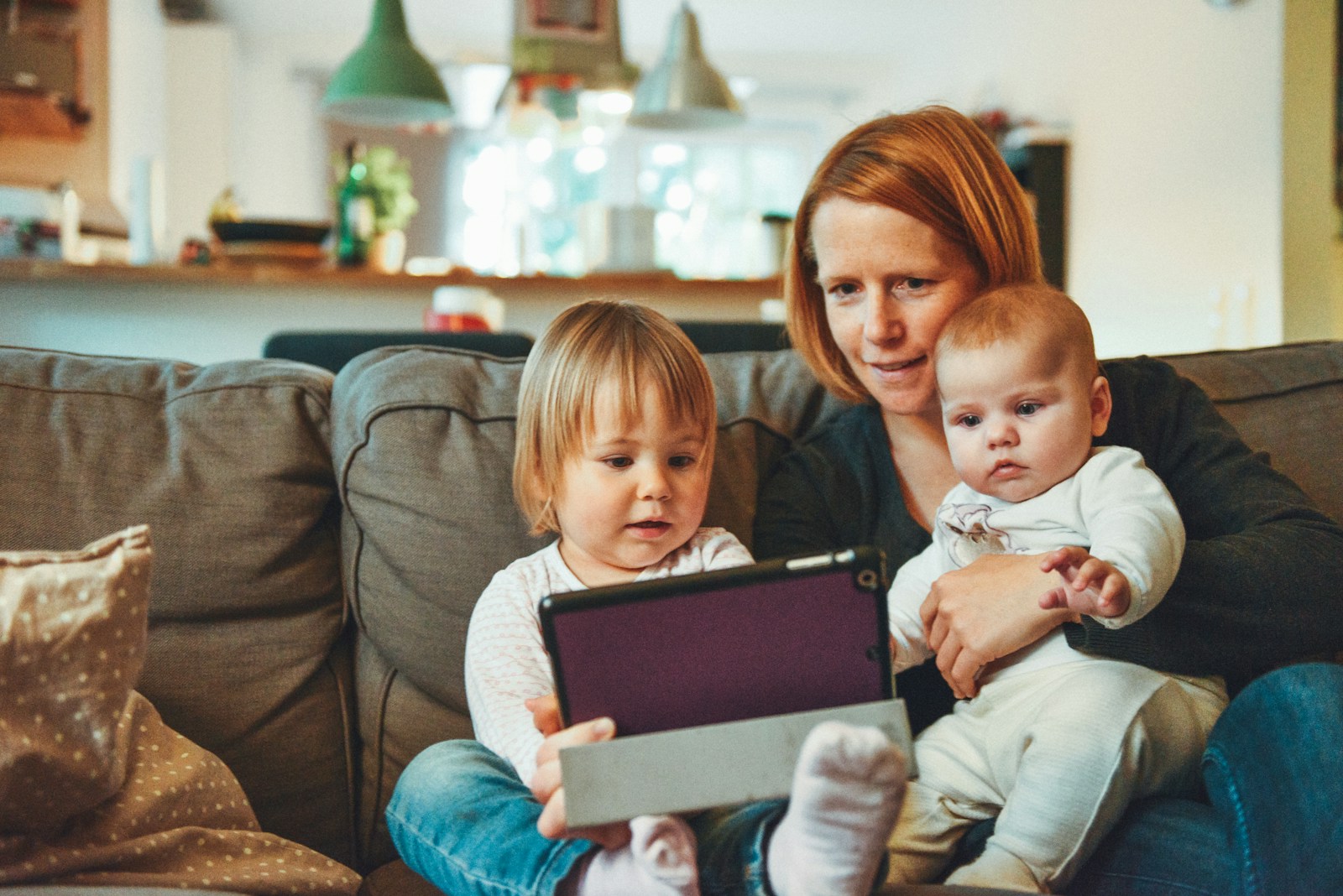
- Screen Time Guidelines: The American Academy of Pediatrics (AAP) continues to prioritize quality over strict time limits, recommending no screens before 18 months and one hour of high-quality content daily for ages 2–5, a guideline that remains central to current parenting debates.
- Parental Leave Impact: Recent studies on paternal leave continue to show mixed results regarding fertility rates (e.g., Singapore), but strong links to improved mental health for fathers and better family dynamics, reinforcing the argument for paid leave policies beyond just economic incentives.
On the radar
- AAP RSV Immunization Policy: The AAP recently updated recommendations for RSV immunization for infants under 8 months, which may influence pediatric visits and discussions on infant health routines.
- UK Parental Leave Review: The UK government’s review of parental leave, launched in July 2025, is expected to yield recommendations in early 2027, keeping the topic of paternal leave duration and impact in the legislative spotlight.
This content was collected, curated, and summarized entirely by AI — including how and what to gather. It may contain inaccuracies. Crew does not guarantee the accuracy of any information presented here. Always verify facts on your own before acting on them. Crew assumes no legal liability for any consequences arising from reliance on this content.
Powered by
