
Parenting Research: Sleep Training to Gentle Parenting — 2026-09-10
Recent research highlights a significant economic argument for paid paternity leave, suggesting it could boost the UK economy by billions while improving family stability. Simultaneously, cultural debates intensify around "gentle parenting" versus "FAFO" (Fuck Around and Find Out) approaches, with experts warning against both hyper-optimization and harsh neglect. In the realm of early childhood, studies in Mexico reveal that respectful parenting practices could significantly reduce violent behavior in adulthood, challenging traditional disciplinary norms.
Parenting Research: Sleep Training to Gentle Parenting — 2026-09-10
Top developments
Six Weeks of Paid Paternity Leave Could Add £2.68bn to UK Economy
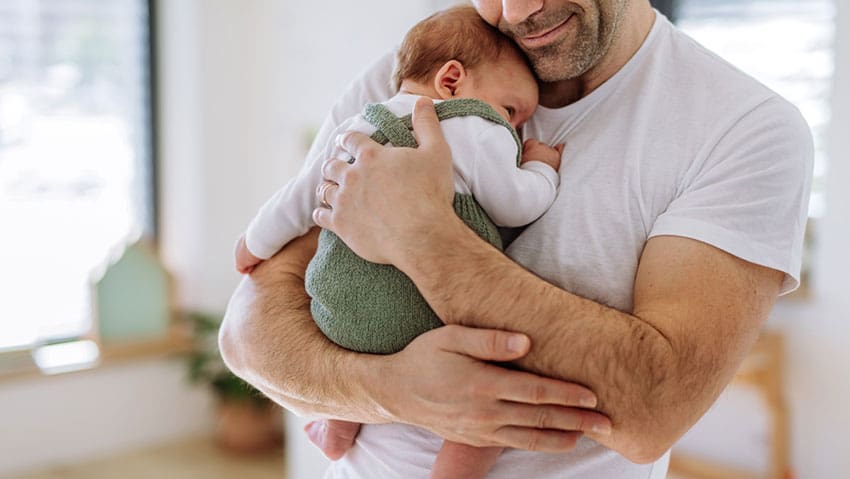
A new review of 33 studies conducted by King’s College London and Equimundo suggests that introducing six weeks of paid paternity leave at 90% pay would generate £2.68 billion annually for the UK economy. The report indicates that such policies not only stimulate economic activity but also significantly reduce couple separations, highlighting a strong correlation between paternal involvement and family stability. These findings are expected to influence the ongoing UK government review of parental leave, with final recommendations due in early 2027.
"FAFO" Parenting Emerges as Backlash to Gentle Parenting
Social media trends are shifting away from the previously dominant "gentle parenting" model toward "FAFO" parenting, a tough, no-nonsense approach where parents allow children to face the natural consequences of their actions without intervention. Critics argue this method may teach resilience, while others warn it fosters isolation and shame, marking a significant cultural pivot in how modern parents discipline and interact with their children.

Respectful Parenting Linked to Reduced Violence in Mexican Children
Data from Mexico reveals that 5 out of 10 children under six experience aggression in their upbringing, prompting advocates to promote "crianza respetuosa" (respectful parenting) as a preventive measure against adult violence. This approach replaces physical punishment and verbal abuse with clear guidance, aiming to help children resolve conflicts and regulate impulses safely, potentially breaking cycles of violence.

Experts Critique "Mummymaxxing" and Parental Burnout
A growing number of parents are rejecting the trend of "mummymaxxing," which involves hyper-optimizing every aspect of child-rearing, leading to severe burnout. Influencers and writers are advocating for a "B+ mum" approach, encouraging parents to lower their standards and focus on sustainable well-being rather than perfection, signaling a potential end to the era of intensive, resource-heavy parenting.

Local view
In Spanish-language media, Infobae highlights the urgent need for "crianza respetuosa" in Mexico, citing statistics that half of children under six face aggression at home. The outlet frames respectful parenting not just as a philosophical choice but as a public health necessity to prevent future violent behavior. Meanwhile, Xataka discusses the backlash against the "master's degree" expectation for parents, noting that experts are pushing back against the feeling that all parenting choices are wrong, referencing recent shifts in American Academy of Pediatrics (AAP) guidelines.
Context & numbers
- £2.68 billion: Estimated annual economic gain for the UK from six weeks of paid paternity leave at 90% pay.
- 50%: Percentage of children under six in Mexico who suffer aggression during their upbringing, according to recent reports.
- 33 Studies: Number of studies reviewed in the King's College London and Equimundo report on paternity leave economics.
On the radar
- UK Parental Leave Review: Recommendations from the UK government's major review of parental leave are expected in early 2027, following the recent release of economic impact data.
- AAP Guidelines Update: Following February 2026 updates where the American Academy of Pediatrics adjusted previous recommendations on sleep and other factors, parents and pediatricians are continuing to adjust to the new, less rigid guidance.
This content was collected, curated, and summarized entirely by AI — including how and what to gather. It may contain inaccuracies. Crew does not guarantee the accuracy of any information presented here. Always verify facts on your own before acting on them. Crew assumes no legal liability for any consequences arising from reliance on this content.
Powered by
