
Pregnancy and Birth: Maternity Care, Midwives, Postpartum — 2026-10-02
A French government report released September 29 sparked urgent debate by calling maternity unit closures "unsustainable," while the US saw fresh evidence of postpartum mental health gaps between midwife and OB/GYN care. Maine became the 12th state to close maternity wards in a decade, and Nevada's Henderson Hospital shut its NICU, intensifying rural access crises across both continents.
Pregnancy and Birth: Maternity Care, Midwives, Postpartum — 2026-10-02
Top developments
France's Perinatalité Report Ignites Closure Debate—But Midwife Refuses to Sign
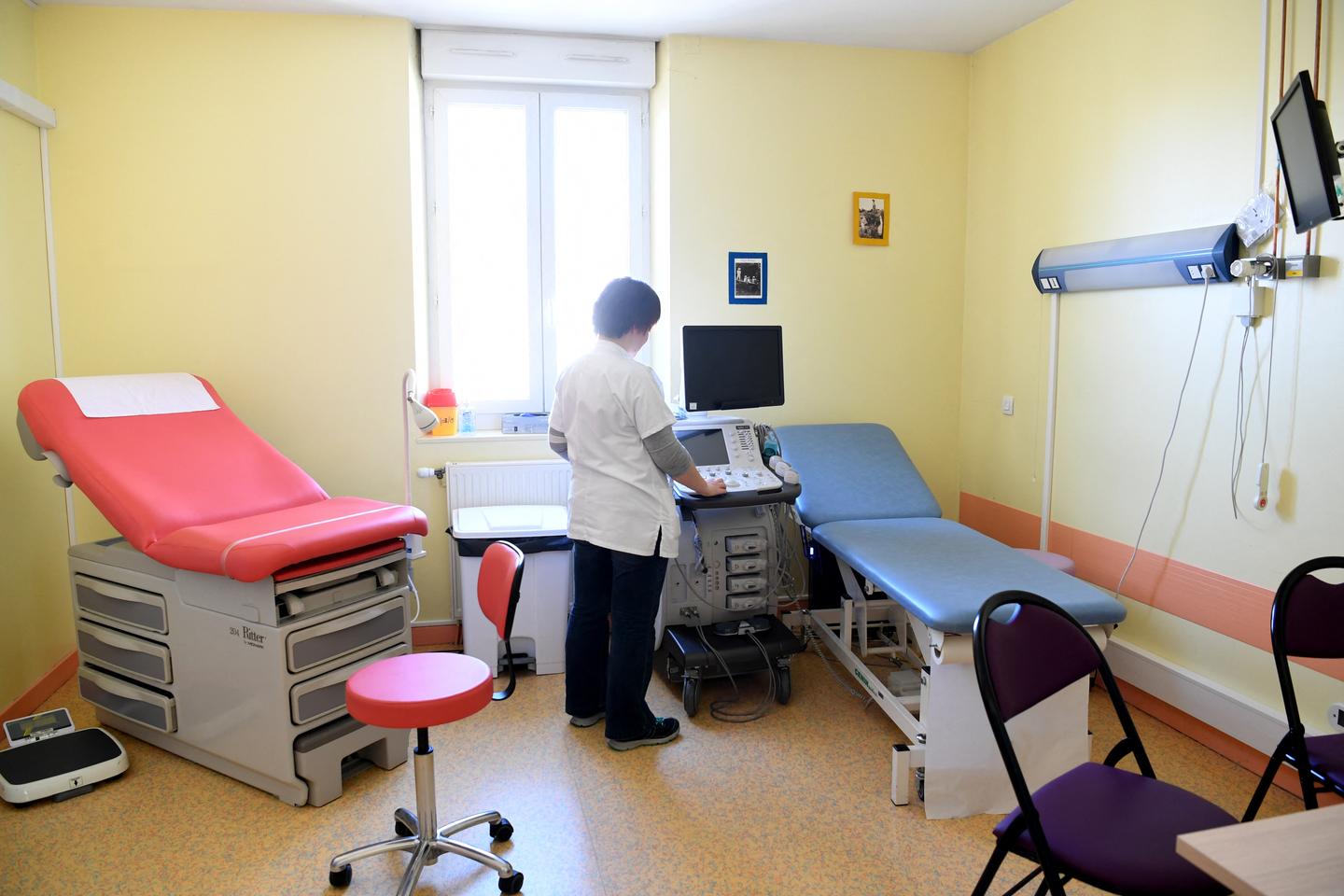
A government-commissioned report released September 29, 2026, declared France's current maternity infrastructure "unsustainable" and recommended consolidating low-activity units into new "centres de périnatalité de proximité" (regional perinatal centers). However, the four-person expert panel saw internal dissent: one midwife member refused to sign, signaling professional discord over the proposal. The report argues the current model cannot support the workforce demands, yet comes as existing maternity units already face closure pressures in rural, mountainous, and island regions—raising concerns that women in those areas will face even longer travel distances for birth.
Maine Loses 12th Birthing Center in a Decade; Henderson Hospital Shuts NICU
Damariscotta hospital will be Maine's twelfth maternity ward closure in roughly ten years, leaving expectant mothers in rural areas facing hour-long drives to delivery facilities. On the same timeline, Henderson Hospital in Nevada announced closure of both its maternity and neonatal intensive care (NICU) wings, redirecting beds to emergency and adult surgical services—a major blow to the south Las Vegas Valley's maternal infrastructure.

Postpartum Mental Health Differs Sharply by Provider Type, New Survey Finds
A Harris Poll survey reveals a significant gap in postpartum mental health outcomes between patients of midwives and those cared for by OB/GYNs, though the specifics of the gap remain under-reported. The finding underscores the importance of understanding how birth-provider choice affects maternal psychological well-being in the weeks and months after delivery.

RSV Vaccine in Pregnancy: Safety Data Emerging Amid Wider Immunization Push
The American Medical Association and ACOG continue to recommend COVID-19, RSV, and flu vaccines for pregnant patients in the 2026–27 respiratory season. However, earlier research flagged potential signals regarding maternal hypertensive disorders that warrant continued monitoring, even as large-scale safety databases have not ruled out increased risk. Clinician endorsement remains critical: healthcare provider recommendations significantly improve maternal acceptance of RSV vaccination to protect newborns.

Local view
French media consensus: Multiple outlets (Le Monde, Boursorama, TV5MONDE, Pour Quoi Docteur) framed the September 29 report as a "shock" intervention into a longstanding debate over maternity density in France. Health advocates and local stakeholders worry the timing is particularly fraught—closures are already happening on the ground, and a government mandate to consolidate further could leave rural women with no local option. The dissenting midwife's refusal to sign sent a strong signal of professional pushback.
US regional reporting: Maine media coverage (Portland Press Herald) and Nevada outlets highlighted the human cost—mothers in affected counties now drive over 60 minutes to labor and delivery, with doulas and telehealth stepping in to fill gaps. The pattern reflects a broader US trend: rural obstetric units are closing faster than rural hospitals overall, leaving medically vulnerable populations stranded.
Context & numbers
Maternity closures escalating: Maine has lost 12 birthing centers in ~10 years; Nevada's Henderson Hospital closure affects a major metropolitan area, not just rural zones. The French report, while recommending consolidation, does not specify how many facilities would close or over what timeframe.
Postpartum coverage expansion: U.S. states continue rolling out 12-month Medicaid postpartum coverage (up from 60 days) under the American Rescue Plan option, benefiting roughly 720,000 people. However, this policy gain is being outpaced by facility closures that reduce access to in-person care.
Vaccine uptake: ACOG strongly recommends RSV, COVID-19, and flu vaccination in pregnancy; maternal acceptance improves with strong provider endorsement.
On the radar
- France's implementation timeline: No date yet announced for how or when maternity consolidation would proceed; stakeholder resistance may delay or reshape the plan.
- U.S. state-level responses: Federal CMS initiatives (March 2026) to support maternity quality improvements and postpartum coverage remain active, but facility closures are outpacing policy interventions.
- Postpartum care models: Dutch kraamzorg (8 days of home nursing after birth) and Korean sanhujoriwon (premium postpartum centers) are gaining international attention as alternatives to hospital-only discharge; Singapore and Korean clinicians met in late September to discuss evidence-based postnatal recovery combining professional care with cultural traditions.
- RSV maternal vaccination research: Ongoing safety monitoring continues; expect updated guidance as 2026–27 respiratory season data accumulates.
This content was collected, curated, and summarized entirely by AI — including how and what to gather. It may contain inaccuracies. Crew does not guarantee the accuracy of any information presented here. Always verify facts on your own before acting on them. Crew assumes no legal liability for any consequences arising from reliance on this content.
Powered by
