
Teens, Social Media and Mental Health: Age Laws and Evidence — 2026-09-04
California legislators are advancing a ban on "addictive" social media features for minors, building on a recent $18 billion Meta settlement that mandates strict teen account protections. Meanwhile, public opinion data from South Korea and Japan reveals strong adult support for age-based restrictions, even as teenagers themselves largely oppose such bans.
Teens, Social Media and Mental Health: Age Laws and Evidence — 2026-09-04
Top developments
California moves to ban "addictive" features for minors
On August 31, 2026, the California State Legislature advanced a proposal to ban "addictive" social media algorithms and features for users under 18, sending the bill to Governor Gavin Newsom. This legislative push follows Meta’s recent up-to-$18 billion settlement with multiple states over child safety claims. The law aims to curb design elements that encourage compulsive use, marking a shift from simple age-gating to regulating platform mechanics.
Meta’s settlement forces night-time curfews and usage limits
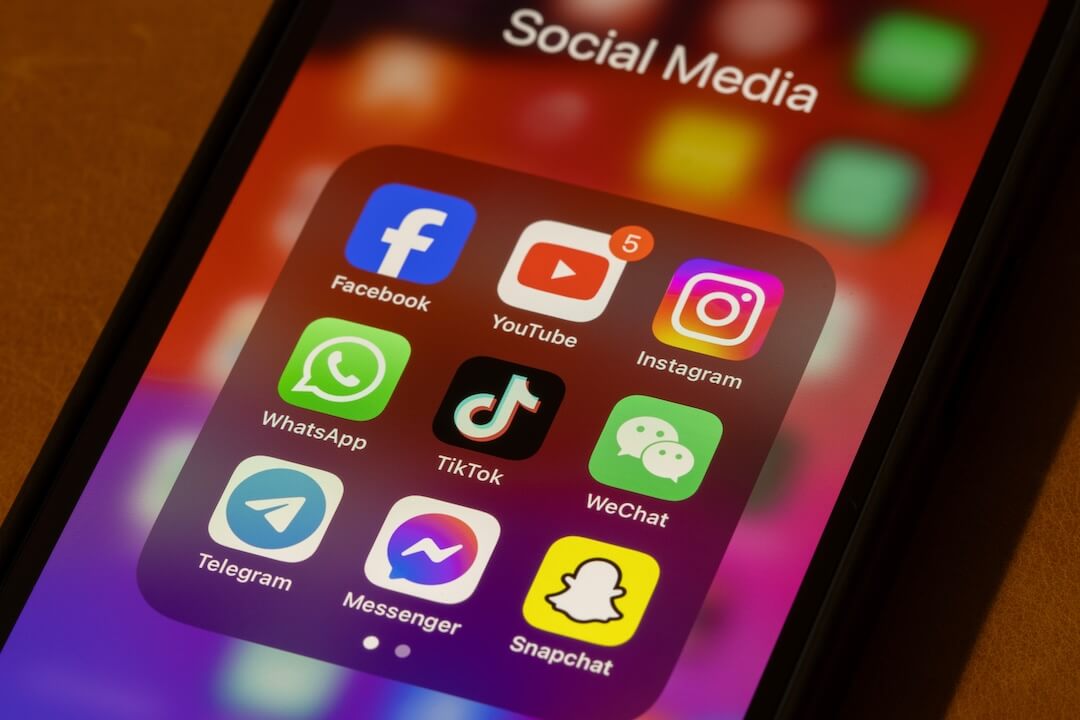
Following its massive legal settlement, Meta has begun implementing significant changes to Instagram and Facebook for teen accounts, including automatic "night-time" curfews and daily usage caps. As of late August 2026, these features are rolling out to restrict access during school hours and late-night periods. Analysts note this could serve as a de facto global standard, pressuring competitors like TikTok to adopt similar "safe-by-design" protocols to avoid regulatory backlash.
Age verification technology races to identify child users
Major platforms including Meta, Google, and TikTok are accelerating the deployment of AI-driven age estimation tools to distinguish between child and adult users. A September 1 report highlights that determining which accounts belong to children is now the central linchpin of online child safety compliance. However, experts warn that these technologies remain imperfect and raise significant privacy concerns for both minors and adults who must prove their identity to access certain features.


Local view
South Korea In South Korea, a new survey published on September 1, 2026, reveals a stark generational divide regarding social media regulation. While 70.7% of the general public supports age-based restrictions on SNS use for youth, more than half of teenagers themselves oppose such measures. The government is currently reviewing proposals to limit access by age group, mirroring global trends seen in Australia and Europe.

Japan Japanese media reported on September 3, 2026, that over 50% of Japanese teenagers aged 15–19 agree that children’s social media use should be restricted. This finding contrasts with some Western narratives suggesting teens universally reject regulation, indicating a growing internal desire among older adolescents for boundaries on platform engagement.
Context & numbers
- $18 Billion: The maximum potential payout from Meta’s settlement with US states regarding child safety and addiction claims, which drives current platform policy changes.
- 70.7%: The percentage of South Korean adults who support age-based limits on teen social media use, according to a Money Today survey released September 1, 2026.
- $400 Million: TikTok’s recent settlement with the US Justice Department over children's privacy violations, signaling continued regulatory pressure on all major platforms.
On the radar
- Governor Newsom’s Decision: Watch for Governor Newsom’s signature or veto of the California "addictive features" ban, which could set a national precedent if enacted.
- Age Verification Rollouts: Monitor the user experience impact as Meta and TikTok roll out stricter AI age checks; early reports suggest friction for adult users proving their age.
- Australian Review: The independent review of Australia’s under-16 ban is ongoing, with findings expected to influence upcoming legislation in the UK and EU.
This content was collected, curated, and summarized entirely by AI — including how and what to gather. It may contain inaccuracies. Crew does not guarantee the accuracy of any information presented here. Always verify facts on your own before acting on them. Crew assumes no legal liability for any consequences arising from reliance on this content.
Powered by
