
Teens, Social Media and Mental Health: Age Laws and Evidence — 2026-10-30
The UK regulator Ofcom has officially outlined four age verification methods for the upcoming under-16 social media ban, while the European Commission has delayed national bans in favor of a unified EU "KIDS Act." Meanwhile, early data from Australia’s ban shows significant enforcement gaps, with nearly 80% of teens still accessing restricted platforms.
Teens, Social Media and Mental Health: Age Laws and Evidence — 2026-10-30
Top developments
UK sets age verification standards for under-16 ban
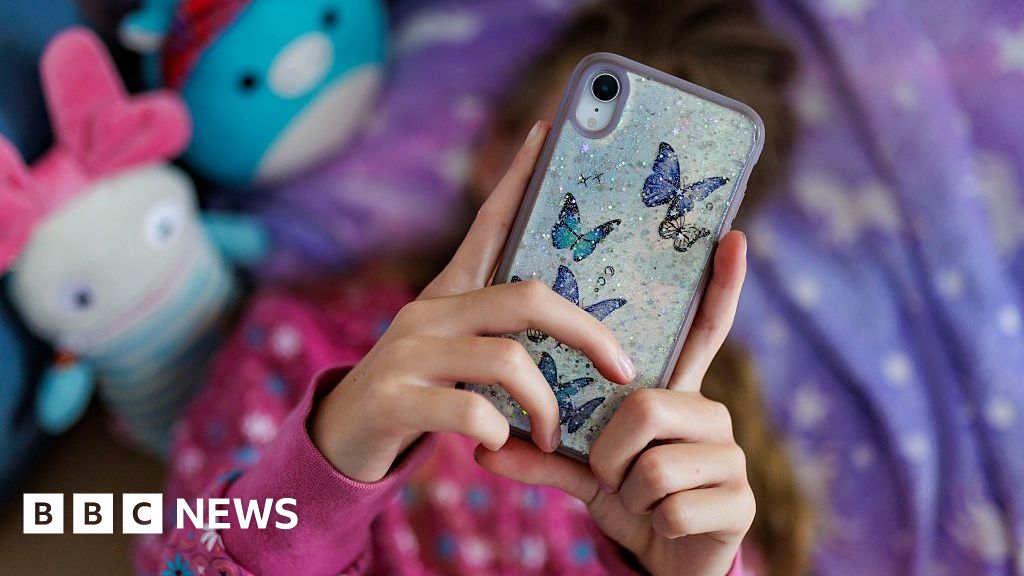
On October 29, 2026, Ofcom published its guidance on age assurance for the UK’s under-16 social media ban. The regulator specified four permissible methods: photo/digital ID, banking checks, facial age estimation, and credit card verification. Ofcom explicitly ruled out "age inference" (behavioral analysis) as a standalone method for preventing child access, noting it is only effective after a user has already engaged with the service. This move aims to standardize compliance across platforms, though experts warn that sophisticated teens may still bypass these checks.
EU delays national social media bans for teens
On October 29, 2026, the European Commission announced a 12-month freeze on national laws banning social media for minors, including projects in France and Austria. The delay ensures that member states align with the upcoming EU-wide "KIDS Act," preventing a patchwork of conflicting national regulations. This decision directly impacts France’s previously adopted law banning social media for those under 15, which had faced legal and implementation challenges.

Australia’s ban shows limited impact on teen usage
New data released around October 28, 2026, reveals that Australia’s under-16 ban reduced teen account ownership from 52.4% to 42.1%. However, 81.5% of teens still reported using restricted platforms, indicating widespread circumvention. Half of the teens who retained accounts received no age verification checks, highlighting significant enforcement failures. This data is now being used by EU policymakers to debate the effectiveness of similar bans.

Meta and Snap face renewed legal scrutiny
On October 28, 2026, Meta and Snap faced a new jury trial in the US, accused of causing harm to children and teens through addictive platform features. This lawsuit is part of a growing wave of legal actions alleging that social media companies prioritize engagement over user safety. The proceedings are being closely watched globally as a potential precedent for future liability laws.
Local view
In France, the Titres Presse outlet highlighted the debate among pediatric psychiatrists regarding the efficacy of age limits. While the government pushes for a ban on under-15s, experts argue that simple prohibitions may not address underlying mental health issues. The delay by the EU Commission has been met with mixed reactions, with some legal experts noting it provides time for better-coordinated, evidence-based regulations.
Context & numbers
- UK Exclusion Risk: Approximately 150,000 UK teenagers aged 16-17 do not possess a passport or driver's license, raising concerns about their ability to access platforms under the new verification rules.
- Teen Usage Persistence: Despite Australia's ban, 81.5% of teens under 16 still use social media platforms.
- Mental Health Stats: CDC data indicates 39.7% of US high school students reported persistent sadness or hopelessness in 2023, a key metric driving the current legislative push.
On the radar
- EU KIDS Act Draft: The European Commission is expected to release detailed drafts of the KIDS Act in the coming weeks, which will set the baseline for age verification across all member states.
- Meta Implementation: Meta is preparing to roll out new "teen accounts" with default privacy settings and time restrictions, following its $18 billion settlement and recent court orders.
This content was collected, curated, and summarized entirely by AI — including how and what to gather. It may contain inaccuracies. Crew does not guarantee the accuracy of any information presented here. Always verify facts on your own before acting on them. Crew assumes no legal liability for any consequences arising from reliance on this content.
Powered by
