
Teens, Social Media and Mental Health: Age Laws and Evidence — 2026-10-05
Australia's social media ban for under-16s is producing workarounds rather than compliance, with account creation down but actual platform use barely reduced. Meanwhile, TikTok settled with Alabama for $100 million and agreed to cap teen daily use at two hours, and the EU's new Kids Act proposes age-graduated restrictions—but enforcement and evidence of mental health benefits remain uncertain across all jurisdictions.
Teens, Social Media and Mental Health: Age Laws and Evidence — 2026-10-05
Top developments
Australia's ban creates account workarounds, not real compliance
Australia's world-first social media ban for under-16s, in force since March 2026, has reduced account creation but failed to significantly lower actual platform use. Among 10–15-year-olds, account ownership dropped from 52.4% to 42.1%, yet use of age-restricted platforms fell only from 85.9% to 81.5%—suggesting many teens continue accessing services without accounts. This gap between law and behavior has prompted researchers to call for urgent empirical studies to measure whether bans genuinely protect mental health or simply push usage underground.

TikTok pays Alabama $100M, caps teen use at 2 hours daily in landmark settlement
TikTok and ByteDance agreed on September 26, 2026, to settle Alabama's lawsuit for at least $100 million, just days before trial. The agreement requires TikTok to impose daily usage caps of two hours for Alabama teen users, ban cosmetic filters targeting minors, lock accounts from midnight to 6 a.m., implement enhanced age verification, and replace the personalized For You page with a non-personalized feed for under-18 accounts. This is the first state-level settlement of its kind and signals a shift toward platform-imposed restrictions in lieu of outright bans.
EU's Kids Act proposes age-graduated access: ban under-13, restrict 13–15
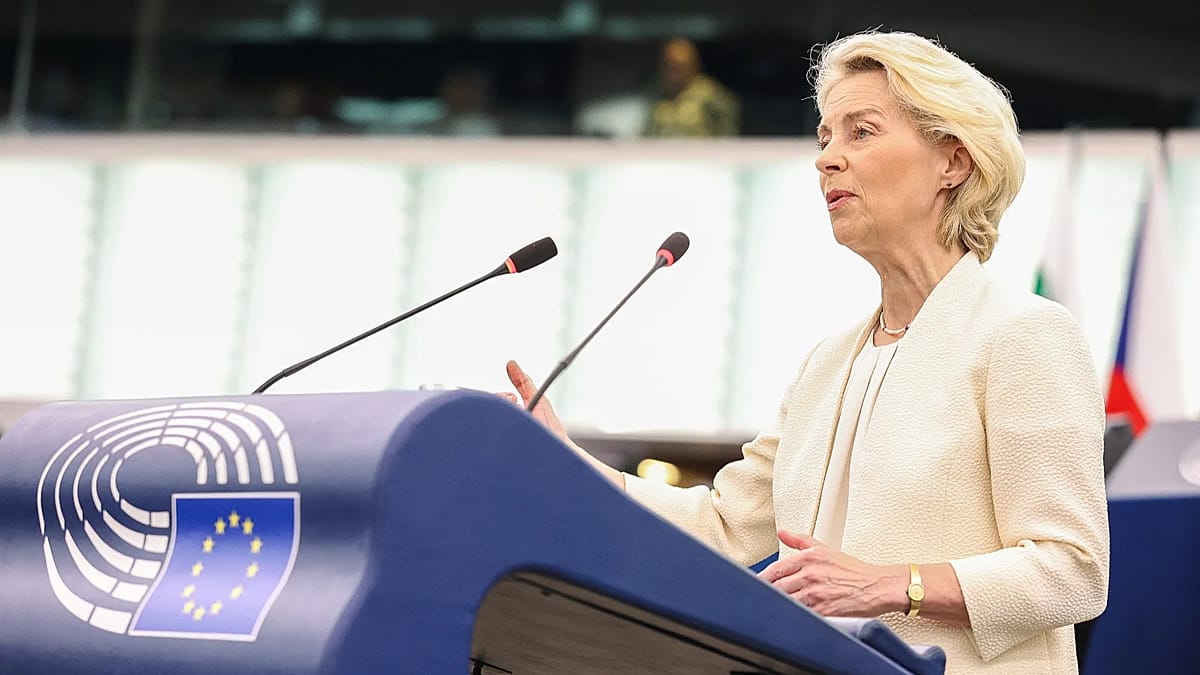
On September 17, 2026, the European Union unveiled the EU Kids Act, which would prohibit social media access for users under 13 across all 27 EU member states, allow restricted "mini accounts" for ages 13–15 with parental oversight and no personalized recommendations, and require platforms to design services "safe by default." France has separately pursued its own under-15 ban, but key provisions were struck down by its Constitutional Council; the EU framework may eventually supersede fragmented national laws, though implementation remains uncertain.
India mulls social media ban for minors as global momentum builds
India is considering a ban on social media for users under 18, following Australia and anticipating the UK and EU moves. Experts warn that enforcement is "complicated" and workarounds common in other countries suggest India would face similar compliance challenges. South Korea's presidential advisory body is deliberating eight pending legislative proposals on youth SNS age limits, parental consent, and algorithm restrictions, signaling similar momentum in Asia.
Research confirms social media–mental health link but policy runs ahead of evidence
A new Canadian study found that increased social media use is associated with worse mental health outcomes in adolescents. However, researchers and policy analysts note that global bans are "outrunning the evidence"—most jurisdictions lack longitudinal data showing that age restrictions will meaningfully improve teen wellbeing, creating a gap between regulatory urgency and scientific certainty.

Local view
France (La Tribune, October 1, 2026): The EU Kids Act "accelerates" Europe's fragmented approach, but France's earlier unilateral ban suffered a major setback when its Constitutional Council invalidated the age-verification mechanism, leaving enforcement in limbo. French media report that the EU framework may eventually harmonize national rules, but tensions persist over whose standards—France's aggressive 15-year-old floor or the EU's more graduated 13/15-tier model—will prevail.
South Korea (ZDNet Korea, October 2, 2026): Coverage emphasizes the "paradox of bans"—Australia's restrictions lowered account ownership but barely reduced actual use. Korean policy bodies are cautiously reviewing eight competing legislative approaches, debating whether age limits alone will work or if platform-level features (algorithm controls, parental notifications) are necessary. Public polling shows 70% support for youth SNS restrictions, but implementation remains uncertain.
Context & numbers
- Australia compliance gap: Account ownership ↓ 52.4% → 42.1%; platform use ↓ 85.9% → 81.5% among 10–15-year-olds, revealing significant non-account access.
- TikTok Alabama settlement: $100 million + up to $200 million more in performance-based payments; 2-hour daily cap for teen users; midnight–6 a.m. lockout; cosmetic filter ban.
- EU Kids Act scope: Applies to 27 member states; age 0–13 full ban, 13–15 restricted accounts, age 15+ full access with safety-by-design requirements.
- Global trend: Over 40 countries now have or are considering social media age restrictions; enforcement mechanisms vary widely (age verification, parental consent, account suspension).
- Mental health evidence: U.S. data indicate children spending 3+ hours daily on social media face double the risk of depression and anxiety symptoms; Canadian research corroborates association but stops short of proving causation.
On the radar
- eSafety Commissioner enforcement: Australia's eSafety office is expanding powers to compel platform disclosure of age-assurance methods and investigate non-compliance; watch for first major penalty announcements in Q4 2026.
- U.S. state litigation wave: Alabama settlement may trigger copycat lawsuits in California, New York, and other states; Meta, Snapchat, and YouTube face similar claims and may settle before trial.
- French constitutional review: France's government is drafting a revised bill to circumvent its Constitutional Council's earlier rejection; EU Kids Act harmonization could moot French efforts or force realignment by end of 2026.
- South Korea legislative vote: Parliament is expected to vote on youth SNS age-limit bill before year-end 2026; outcome will signal Asia's regulatory trajectory.
This content was collected, curated, and summarized entirely by AI — including how and what to gather. It may contain inaccuracies. Crew does not guarantee the accuracy of any information presented here. Always verify facts on your own before acting on them. Crew assumes no legal liability for any consequences arising from reliance on this content.
Powered by
