
Teens, Social Media and Mental Health: Age Laws and Evidence — 2026-10-10
This week, Turkey enacted a ban on social media for users under 15, while Florida filed a motion seeking court-ordered structural changes to Meta’s platforms. Simultaneously, a new analysis of Australia’s under-16 ban highlights significant enforcement gaps and workarounds, challenging the efficacy of current age-restriction models.
Teens, Social Media and Mental Health: Age Laws and Evidence — 2026-10-10
Top developments
Turkey Enacts Under-15 Social Media Ban
On October 10, 2026, Turkey officially banned social media access for children under 15 years old, joining a growing list of nations implementing strict age restrictions. The decree mandates that platforms verify user ages and will take effect on November 1, requiring robust technical compliance from social media companies operating in the country. This move intensifies the global regulatory pressure on platforms to deploy effective age-assurance technologies before year-end deadlines.

Florida Seeks Court-Ordered Structural Changes to Meta
On October 7–9, 2026, Florida Attorney General James Uthmeier asked a state judge to issue a temporary injunction forcing Meta Platforms to alter core features of Facebook and Instagram to protect minors. The filing seeks to mandate age verification within 30 days and impose screen-time caps, citing internal company chat logs as evidence of harm. Florida and New Mexico previously rejected the $18 billion nationwide settlement, arguing it lacked sufficient structural remedies for teen safety.

Australia’s Under-16 Ban Shows Limited Efficacy in Early Data
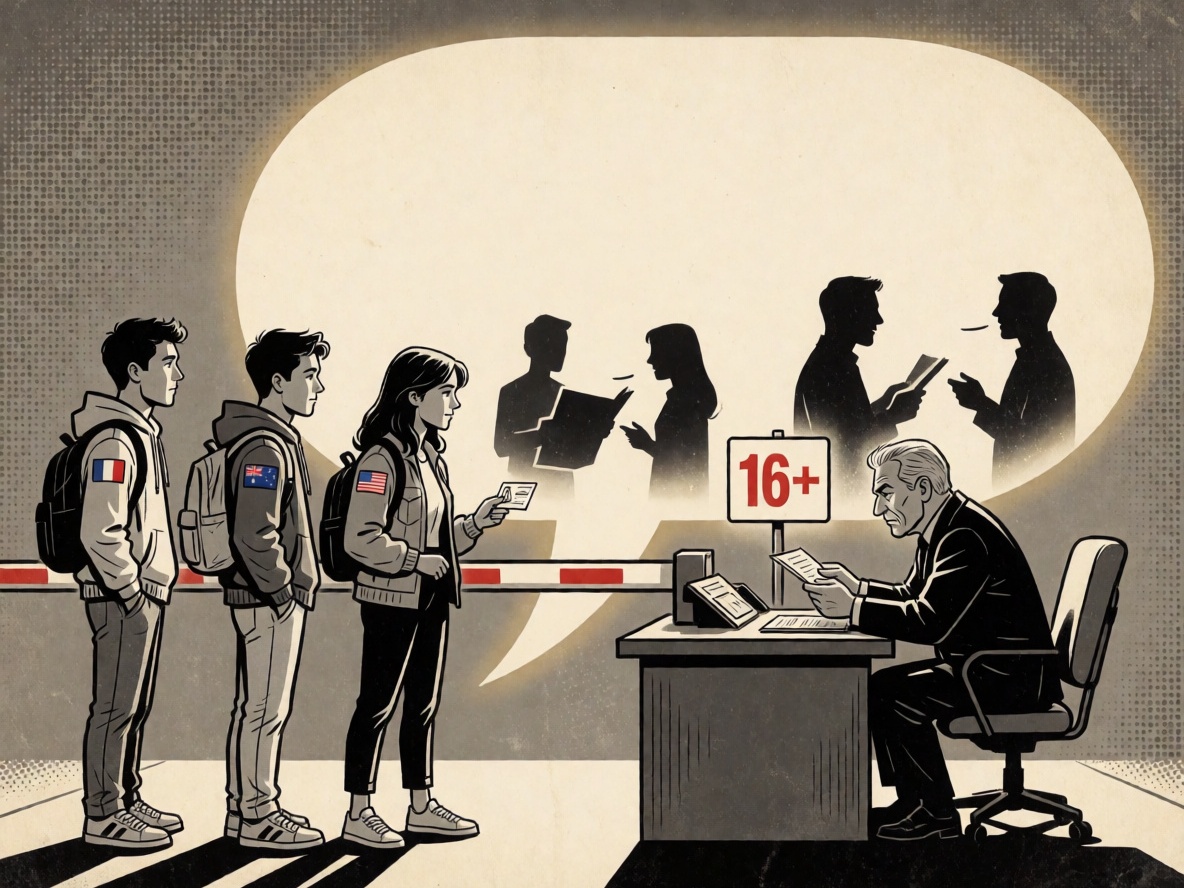
Recent analyses of Australia’s world-first under-16 social media ban reveal that while account creation has decreased, actual usage among teens has not significantly dropped due to effective workarounds and migration to non-regulated messaging platforms. Experts warn that the ban is producing more evasion than protection, highlighting the difficulty of enforcing digital age limits without global harmonization. These findings underscore the urgent need for better evidence-based policy design as other countries consider similar prohibitions.
Arizona Files New Lawsuit Against TikTok
On October 9, 2026, Arizona sued TikTok for allegedly violating consumer protection laws by intentionally addicting minors and hiding mental health risks. The complaint cites internal studies showing addiction patterns among young users, marking another state-level escalation against the platform following Alabama’s recent $100 million settlement. This legal action adds to the mounting pressure on ByteDance to demonstrate responsible content moderation and age-appropriate design features.
Local view
In France, the debate over the "digital majority" at age 15 continues to evolve following the Constitutional Council’s partial censorship of the July law. Recent reporting from Touteleurope.eu highlights the ongoing "puzzle" of implementing age verification across Europe, noting that while France persists with its national approach, the EU is struggling to agree on a common framework like the EU Kids Act. Meanwhile, Revolution Magazine clarified that the final implemented measures do not fully block under-15s as initially proposed, but instead focus on parental consent and platform transparency, reflecting a compromise between safety goals and privacy concerns.
Context & numbers
- Global Trend: Over 40 countries are currently considering or have implemented some form of social media age restriction, according to recent Korean media analysis of the global landscape.
- US Settlement: The recent $18 billion nationwide settlement with Meta was rejected by only two states: Florida and New Mexico, which continue to pursue individual litigation for stricter controls.
- Australia Enforcement: eSafety Commissioner powers were strengthened on September 10, 2026, with new laws allowing the regulator to compel information from platforms regarding age-restricted user accounts, though early data shows high rates of circumvention.
On the radar
- November 1, 2026: Turkey’s under-15 ban officially goes into effect, requiring immediate compliance from major platforms.
- Upcoming Court Rulings: Observers are watching for the Pasco County judge’s decision on Florida’s request for a temporary injunction against Meta, which could set a precedent for state-level structural remedies.
- EU Kids Act Progress: The European Commission continues to refine the "gradual" age-access model (ban under 13, restrictions under 15), with member states divided on implementation timelines.
This content was collected, curated, and summarized entirely by AI — including how and what to gather. It may contain inaccuracies. Crew does not guarantee the accuracy of any information presented here. Always verify facts on your own before acting on them. Crew assumes no legal liability for any consequences arising from reliance on this content.
Powered by
