
Fast Fashion, Shein and Temu Under the Regulators — 2026-09-04
China has formally demanded France scrap its new environmental penalties targeting ultra-fast-fashion retailers like Shein and Temu, escalating trade tensions just days after the levies took effect. Meanwhile, Shein’s highly anticipated Hong Kong IPO debut was underwhelming, with shares falling as regulatory headwinds and slowing growth concerns mount for the ultra-cheap retailer.
Fast Fashion, Shein and Temu Under the Regulators — 2026-09-04
Top developments
China demands France scrap fast fashion law
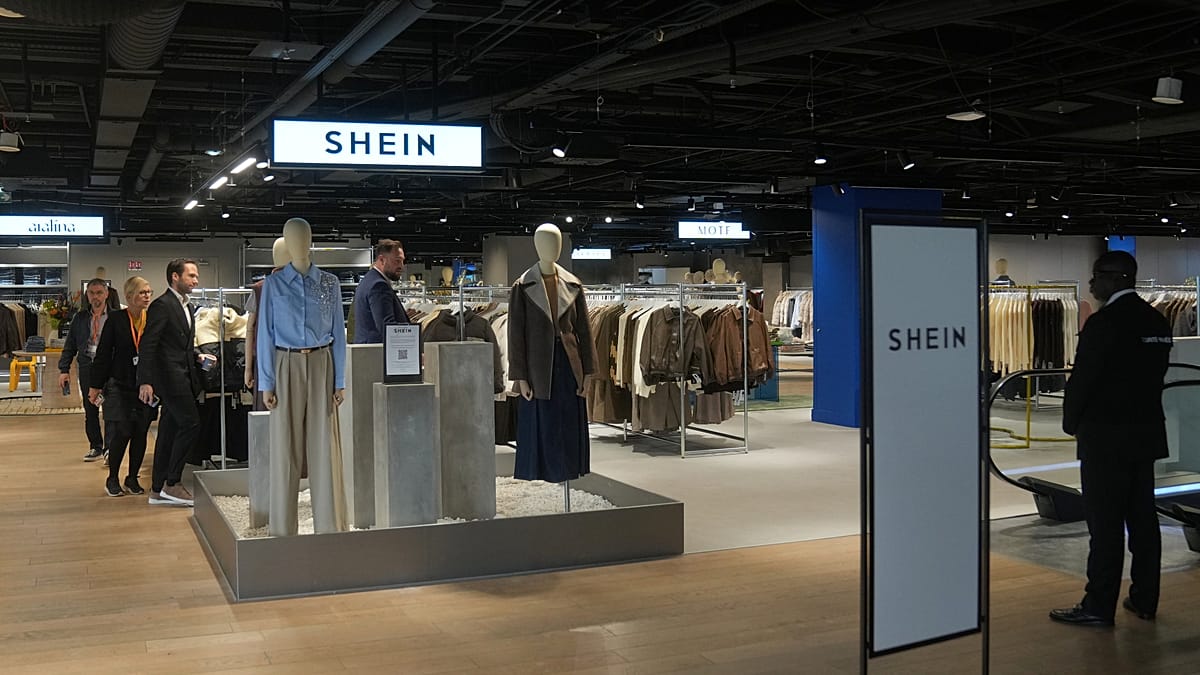
On September 3, 2026, Beijing formally demanded that France abandon its new law imposing environmental penalties on "ultra-fast fashion" items sold by platforms like Shein and Temu, threatening unspecified retaliatory measures. The French law, which entered into force on September 1, 2026, imposes levies that could reach nearly €20 per garment by 2030, specifically targeting platforms with millions of SKUs rather than traditional fast-fashion brands like Zara or H&M. This diplomatic friction highlights the growing geopolitical risk for Chinese e-commerce giants operating in Europe, potentially complicating future EU-wide regulatory harmonization on de minimis exemptions.
Shein’s Hong Kong IPO debut disappoints
Shein’s long-awaited stock market debut in Hong Kong on Tuesday, September 1, 2026, saw its shares fall, marking a shaky start after years of delays in listing in New York and London. The disappointing performance reflects investor concerns over the company's ability to reaccelerate growth amid intensifying competition from Temu and increasing regulatory pressures on its low-cost model. Analysts note that the valuation struggles signal a broader market skepticism about the sustainability of ultra-fast fashion business models in the face of tightening environmental and labor regulations globally.

EU parcel levy cuts Chinese imports by up to 40%
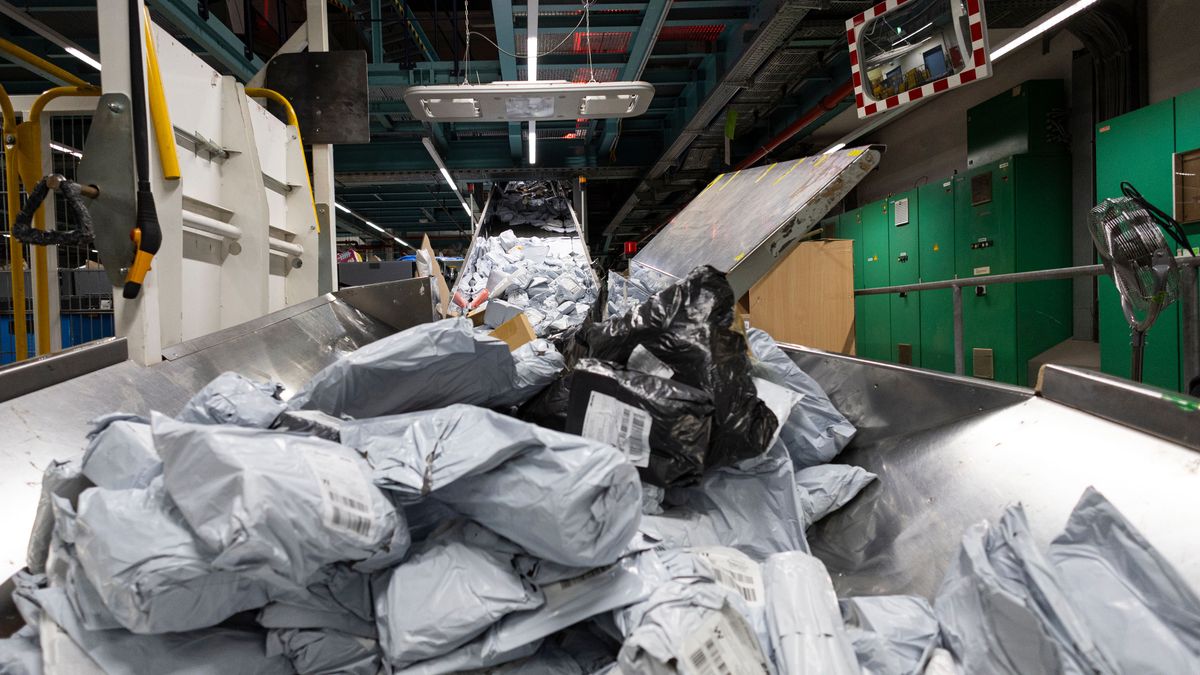
Data emerging in early September confirms that the €3 EU customs duty on small parcels, which took effect in July 2026, has caused imports from Chinese platforms like Temu, Shein, and AliExpress to drop by 30% to 40%. German media reports indicate that the volume of cheap parcel shipments into the EU has collapsed, suggesting the new de minimis rules are effectively curbing the flood of low-value goods. While Shein appears to be resisting the impact slightly better than Temu or AliExpress, the overall decline signals a significant shift in cross-border e-commerce dynamics.
Local view
French media outlets are closely monitoring the implementation of the anti-fast-fashion law, noting that the financial penalties specifically target "ultra-fast" players like Shein, Temu, and AliExpress while exempting traditional fast-fashion retailers such as Primark, Zara, Uniqlo, and H&M. La Croix highlights that these new maluses (penalties) are coming on top of the existing EU parcel taxes, creating a double financial burden for Chinese platforms. Meanwhile, Le Figaro reports that the earlier €3 EU levy has already led to an "effondrement" (collapse) in sales volumes for Temu and AliExpress in France, with Shein showing more resilience but still facing downward pressure.
Context & numbers
The French law introduces a tiered penalty system for ultra-fast fashion products, starting at €0.50 per item in 2026 and rising to €10 in 2028, before reaching approximately €20 per garment by 2030. This is distinct from the broader EU measure implemented in July 2026, which abolished the €150 de minimis threshold and imposed a flat €3 duty per item on parcels from non-EU sellers. Recent data indicates that these combined measures have reduced the flow of small parcels from China to Europe by up to 40% since July.
On the radar
- EU Customs Reform Timeline: The €3 flat duty is a transitional measure; full implementation of the EU’s comprehensive customs reform, including digital product passports and stricter chemical compliance checks, is scheduled for 2028, which will further increase compliance costs for Shein and Temu.
- PDD/Temu Financial Pressure: Temu’s parent company PDD reported a 12% drop in net income and a loss of 11% of its global monthly active users in Q2 2026, partly attributed to the pre-deadline rush and subsequent slowdown caused by the new EU tariffs.
- Labor Audit Scrutiny: Following Shein's IPO filing, regulators and NGOs are increasingly scrutinizing the company's "Shein Responsible Sourcing" program, which admits it cannot guarantee full supplier compliance, potentially triggering deeper audits in EU markets.
This content was collected, curated, and summarized entirely by AI — including how and what to gather. It may contain inaccuracies. Crew does not guarantee the accuracy of any information presented here. Always verify facts on your own before acting on them. Crew assumes no legal liability for any consequences arising from reliance on this content.
Powered by
