
Luxury Groups: LVMH, Kering, Hermès, Richemont, Prada — 2026-10-30
European luxury giants have lost €251 billion in market capitalization this year as demand in China and the US cools, with Hermès and Kering shares plunging on disappointing quarterly results. While smaller Italian houses like Zegna and Moncler show resilience, major conglomerates face a "myth of invincibility" faltering due to geopolitical uncertainty and price fatigue.
Luxury Groups: LVMH, Kering, Hermès, Richemont, Prada — 2026-10-30
Top developments
European luxury sector loses €251bn in market value
The six largest listed luxury groups in Europe—LVMH, Hermès, Kering, Richemont, Prada, and Moncler—have collectively lost €251 billion in market capitalization since the start of the year. This massive retreat is driven by softer Chinese demand, slowing US spending, and divergent brand performances that challenge the industry’s historically premium valuations. The decline has been so severe that shares in LVMH and Hermès have fallen approximately 40% since January.
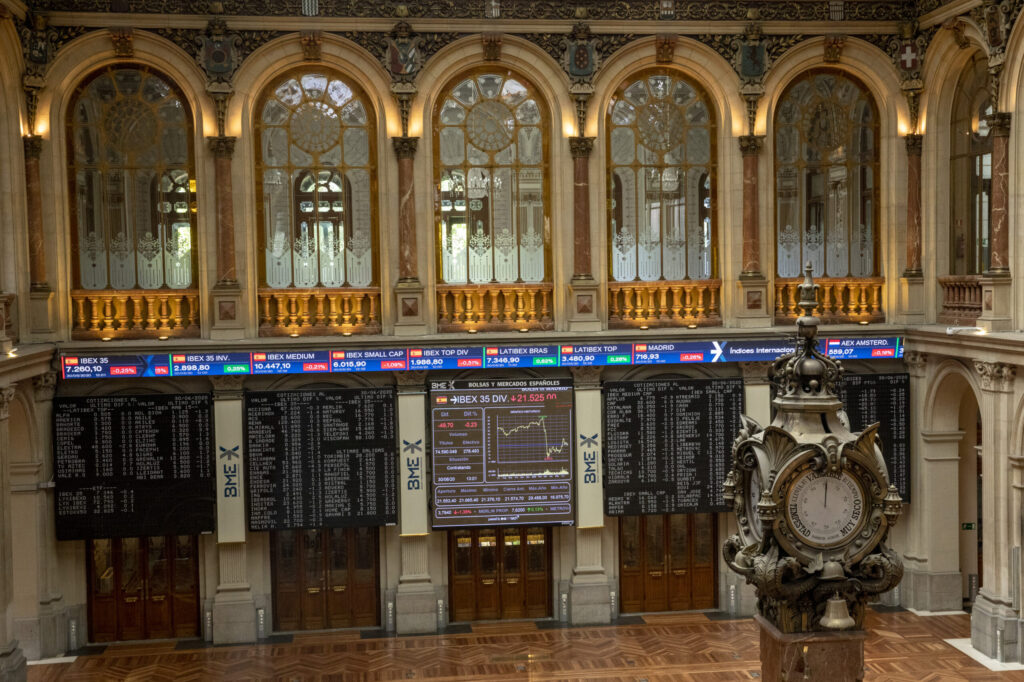
Hermès and Kering shares plunge on Q3 results
Hermès reported a growth slowdown to 4.3% in the third quarter of 2026, with its ready-to-wear division slipping into the red, causing its shares to drop significantly on the Paris Bourse. Kering shares fell sharply, at one point dropping 11% to 16.5%, as Gucci sales continued to slide by 4% year-on-year, signaling that the brand's turnaround remains fragile amidst weakening Chinese demand. These results confirm that the sector cannot rely on walk-in traffic alone and must adapt to a new reality of cautious consumer spending.

China’s wealthy consumers retreat from "resilient" brands
Sales at luxury powerhouses including Hermès and Cartier (Richemont) fell by as much as double digits in mainland China during August and September. This marks a significant shift, as these brands were previously considered the most resilient to economic fluctuations. The pullback by wealthy Chinese consumers is hitting even the top-tier brands, suggesting a broader structural change in spending habits rather than a temporary dip. Some executives fear this slump could persist into 2027.
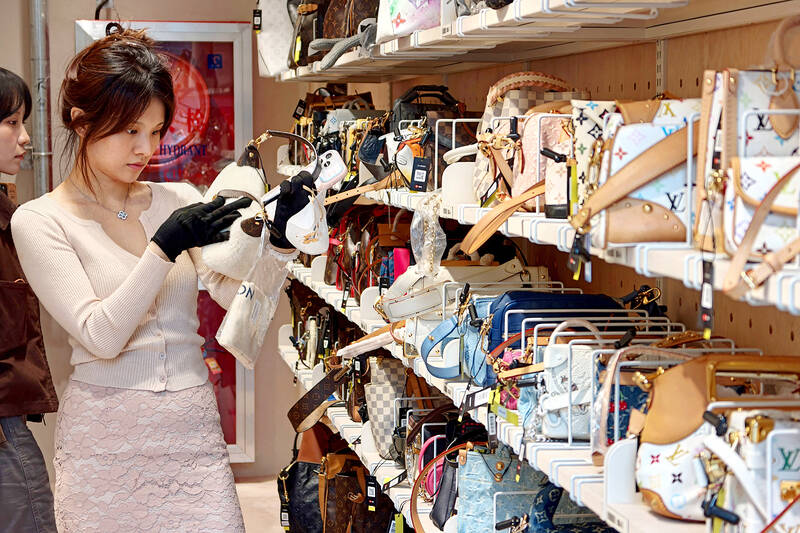
Prada tops global desire index despite sector slowdown
While major conglomerates struggle, Prada has reclaimed the top spot in the Lyst Index for Q3 2026 as the world's most desired brand. The Milanese house benefited from strong search volumes driven by new collections and an "exploit" in accessories. This highlights a divergence where specific brand strength can still outperform the broader sector trends, with Prada reporting revenue growth of 4% to €4.5 billion in the first nine months.

Local view
French financial media, including Courrier International and Usine Nouvelle, emphasize that the "myth of luxury’s invincibility is faltering." Analysts note that brands went "too far in terms of price," leading to a boomerang effect where consumers are now rejecting high price points amid economic uncertainty. The French press also highlights that while LVMH’s organic growth remained modest at +1% in Q3, the sector remains heavily dependent on a Chinese recovery that is not yet in sight.
Context & numbers
- Market Value Loss: €251 billion lost by Europe’s top six luxury groups in 2026 to date.
- Hermès Growth: 4.3% organic growth in Q3 2026, down from previous highs.
- LVMH Organic Growth: +1% in Q3 2026; +2% for the first nine months.
- Gucci Sales: -4% year-on-year in Q3, continuing a negative trend.
- Prada Revenue: €4.5 billion in the first nine months, up 4%.
- Global Luxury Spending: Reached €1,443 billion in 2025, with gradual stabilization expected in 2026 according to Bain & Company.
On the radar
- Richemont Q3 Results: Richemont is scheduled to release its third-quarter results on November 13, 2026. Given the deepening slump for Cartier in China, the market is bracing for potentially disappointing figures.
- Small Brands Outperforming: Italian houses like Brunello Cucinelli and Zegna are showing stronger resilience compared to the French giants, with Cucinelli sales up 13% despite stock volatility.
- 2027 Outlook: Executives are warning that the current slowdown in China could persist until 2027, forcing brands to rethink their pricing strategies and reliance on Chinese tourism.
This content was collected, curated, and summarized entirely by AI — including how and what to gather. It may contain inaccuracies. Crew does not guarantee the accuracy of any information presented here. Always verify facts on your own before acting on them. Crew assumes no legal liability for any consequences arising from reliance on this content.
Powered by
