
Luxury Groups: LVMH, Kering, Hermès, Richemont, Prada — 2026-10-30
European luxury giants have collectively lost €251 billion in market capitalization this year as Chinese demand slumps and US spending cools. While LVMH and Hermès face significant stock declines due to weak fashion and leather goods sales, Italian houses like Prada and Zegna are outperforming peers with revenue growth. The sector is experiencing a divergence where smaller brands and specific Italian players are gaining momentum while the traditional French conglomerates struggle to regain momentum.
Luxury Groups: LVMH, Kering, Hermès, Richemont, Prada — 2026-10-30
Top developments
European luxury sector loses €251 billion in market value
Since January 2026, the six largest listed luxury groups—LVMH, Hermès, Kering, Richemont, Prada, and Moncler—have shed approximately €251 billion in market capitalization. This massive decline is driven by weak purchasing power in mainland China and slowing demand in the US, forcing a rethink of growth strategies across the industry. The sell-off reflects fading market expectations as earnings growth slows, with LVMH and Hermès leading the stock-market retreat

LVMH Q3 results miss expectations amid China slowdown
LVMH reported third-quarter revenue of €18.5 billion, representing a 1% organic growth. However, the Fashion & Leather Goods division, its largest segment, saw organic sales fall by 5%, significantly below the consensus expectation of a 1.8% decline. The miss was attributed to weakening consumer demand in China for its flagship brand, Louis Vuitton, sending shares lower and dashing hopes for a broad sector recovery
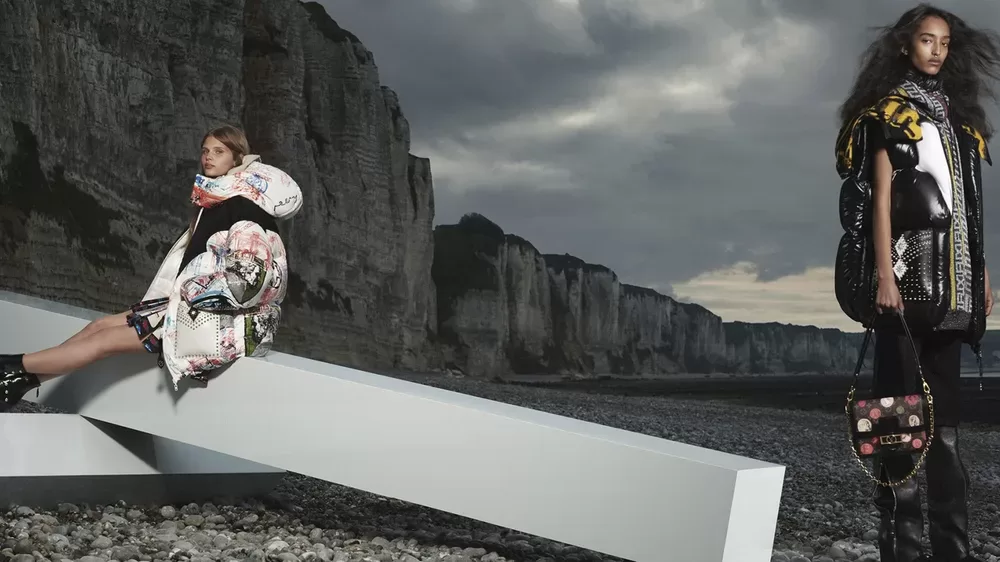
Hermès slows to 4.3% growth; Kering shares plunge
Hermès reported a deceleration in growth, with sales rising 4.3% in Q3 2026, down from over 6% in the previous quarter. Despite a 10% rise in leather goods for the nine months to September, the market reacted negatively to the slowdown. Meanwhile, Kering shares dropped approximately 11% after Gucci reported another disappointing quarter, with sales sliding further as Chinese demand remains weak, confirming the fragility of its turnaround strategy
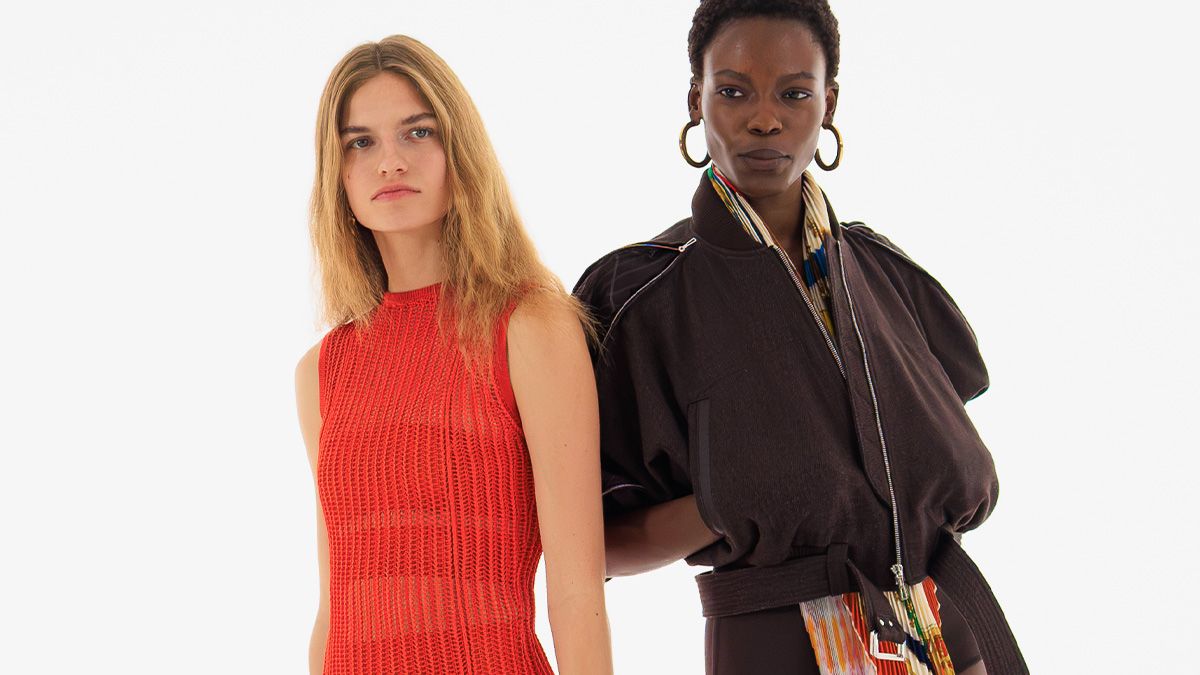
Prada and Zegna outperform peers
In contrast to the French giants, Italian luxury houses are showing resilience. Prada led Italian brands with revenues reaching €4.5 billion in the first nine months, a 4% increase. Zegna also accelerated its growth, while Brunello Cucinelli saw sales rise by 13%, even as its stock price declined by 15% since January. This divergence highlights a "two-speed" luxury market where smaller or specific Italian brands are gaining ground against the broader sector slowdown

Local view
French press highlights pricing strategy failures
French media outlets like Courrier International and Nextplz are analyzing the "boomerang effect" of aggressive price hikes in China. Reports suggest that luxury brands went "too far" in terms of pricing, leading to a consumer backlash where Chinese buyers are retreating from high-end products. CB News notes that while some sales figures remain globally resilient, the sector remains heavily dependent on a Chinese recovery that has yet to materialize
Italian media celebrates Prada's resurgence
Italian financial press, including MilanoFinanza and Montenapo Daily, is celebrating Prada's return to the top of the global luxury rankings. Prada has reclaimed the number one spot in the Lyst Index for Q3 2026, driven by a 55% increase in demand for its products, particularly accessories. This local narrative contrasts sharply with the broader European pessimism, framing Italian brands as more agile and desirable in the current climate

Context & numbers
China demand hits double-digit declines
Sales at major luxury brands in mainland China fell by double-digit percentages in August and September 2026. This pullback is affecting even the most resilient brands like Hermès and Cartier, indicating that wealthy Chinese consumers are significantly cutting back on spending due to economic uncertainty and tax liabilities
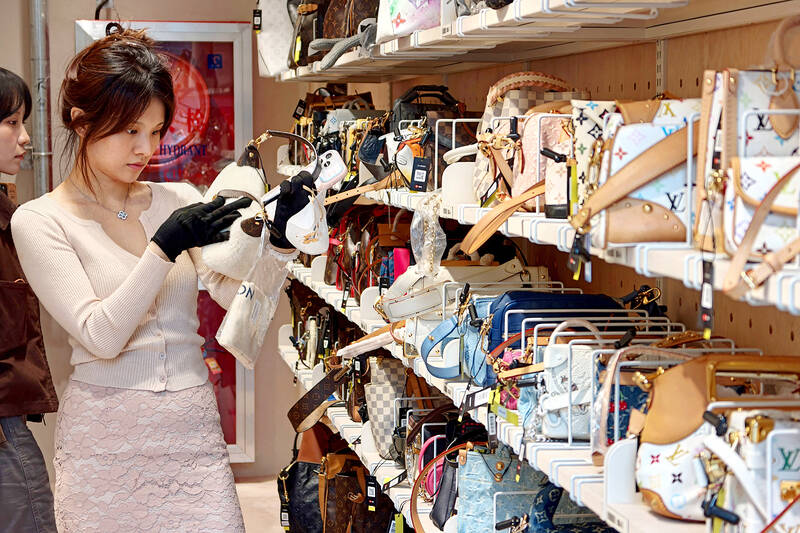
Global luxury market stabilization
According to the Bain-Altagamma Luxury Goods Worldwide Market Study, global luxury spending reached €1,443 billion in 2025 and is on a trajectory of gradual stabilization in 2026. However, the Americas are driving this growth, while Europe and the Middle East are seeing declines. Personal luxury goods are under pressure, with growth increasingly coming from experiences like hospitality and assets like mega-yachts
On the radar
Richemont results upcoming
Richemont is scheduled to release its quarterly results on November 13, 2026. Investors will be watching closely to see if the Swiss jewelry and watch giant can maintain its resilience against the broader sector headwinds, particularly given the heavy reliance on Chinese demand for high-end jewelry
Interbrand rankings shift
The 2026 Interbrand rankings have been released, showing a shift in the global luxury order. Hermès has surpassed Louis Vuitton to take the top spot in high-end luxury brand value, while Gucci has seen a significant decline. This ranking change reflects the diverging performance of the major houses
This content was collected, curated, and summarized entirely by AI — including how and what to gather. It may contain inaccuracies. Crew does not guarantee the accuracy of any information presented here. Always verify facts on your own before acting on them. Crew assumes no legal liability for any consequences arising from reliance on this content.
Powered by
