
Sustainable Fashion: Recycling, Eco-Design, Resale Rules — 2026-10-05
The Basel Convention threatens to destabilize textile circularity by potentially restricting second-hand clothing trade, while chemical recycling advances with Reju's expansion plans and Primark's landmark offtake deal with Circ. EU greenwashing crackdowns tighten enforcement against vague environmental claims as brands face mounting pressure to prove sustainability credentials under new ESPR rules.
Sustainable Fashion: Recycling, Eco-Design, Resale Rules — 2026-10-05
Top developments
Basel Convention Poses Unexpected Risk to Textile Circularity
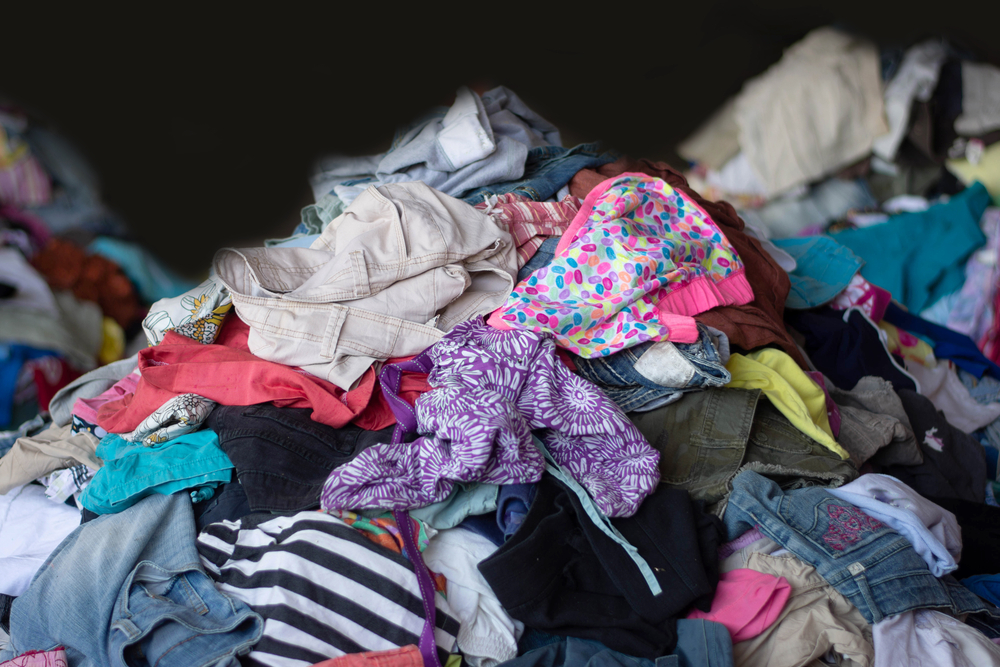
The international Basel Convention—which regulates hazardous waste shipments—could undermine the second-hand clothing resale market that underpins circular fashion strategies, panelists warned on September 30. The convention may change how used textiles are regulated across borders, with potentially major impacts on the fibre-to-fibre recycling and resale supply chains that EU policy has prioritized. The threat comes as brands scramble to comply with the July 2026 EU destruction ban on unsold goods, making resale and recycling critical alternatives.
Reju's CEO Details Textile-to-Textile Recycling Expansion Across Three Continents
On October 1, Reju CEO Patrik Frisk outlined the company's chemical recycling strategy and plant expansion across New York, Pennsylvania, and Europe, signaling acceleration in fibre-to-fibre capacity. This positions Reju as a key player in meeting demand created by the EU's ecodesign rules and extended producer responsibility (EPR) schemes, which now require brands to manage end-of-life textiles. The expansion reflects investor confidence in chemical recycling as a solution to polyester-rich fast fashion waste.

Primark Commits Multi-Year Recycled Polyester Deal with Circ, Targeting 2029 Launch
Primark signed a multi-year offtake agreement with textile-to-textile recycler Circ on September 30, pledging to source recycled polyester made from textile waste starting in 2029. The deal supports Circ's €500 million French recycling facility and represents a critical long-term brand commitment—a financing lever that recyclers say is essential to scale industrial plants. This offtake model directly addresses investor concerns about market demand and supply certainty for chemically recycled fibres.
EU Tightens Greenwashing Enforcement on Vague Environmental Claims
On October 2, the EU introduced stricter safeguards against misleading sustainability marketing and hidden product obsolescence, protecting consumers and enforcing the Green Claims Directive more aggressively. Brands can no longer use vague terms like "environmentally friendly" without substantiation, raising compliance risk for fashion companies relying on unverified sustainability narratives. This regulatory shift complements the ESPR's mandatory disclosure requirements and digital product passport framework, creating a enforcement ecosystem that penalizes greenwashing.

Pakistan's Textile Sector Mobilizes to Upgrade Recycling and Traceability for EU Market
Pakistan's textile industry is investing in recycling infrastructure and traceability systems to align with EU circular fashion mandates, signalling global supply-chain realignment on September 29. Suppliers are upgrading to meet ESPR ecodesign standards and EPR collection obligations, indicating that EU rules are reshaping procurement patterns beyond Europe. This shift accelerates fibre-to-fibre capacity and digital product passport readiness in key sourcing regions.
Local view
Germany (German-language media): The Bundesumweltministerium (Federal Environment Ministry) and outlets including RW-Textilservice have highlighted upcoming textile EPR requirements. Germany is drafting comprehensive Textilgesetz (textile law) to implement EU Directive 2025/1892, with mandatory separate textile collection starting in 2025 and producer responsibility obligations escalating through 2030. Debate focuses on whether collection infrastructure and recycling capacity can absorb volumes created by the destruction ban—concerns echoed by Zentek and industry analysts.
France (French-language media): Refashion, the designated eco-organiser for textiles, faces pressure after receiving a €170,000 penalty in April 2026 for insufficient collection, creating public doubt about EPR capacity. Refashion director Maud Hardy told Le Monde (September 9) that "no textile, torn, damaged, or stained, should be thrown away," signalling a cultural pivot toward repair and reuse. However, Zero Waste France warned (May 7) that the filière textile system remains fragmented and underfunded relative to inbound volumes.
Context & numbers
Recycled Polyester Production: Recycled polyester output reached 9.7 million tonnes in 2025, according to Textile Exchange's 2026 Materials Market Report (published late September 2025). However, market share fell despite higher volumes, as virgin polyester expanded faster—revealing the mismatch between recycling capacity and textile demand growth.
Destruction Ban Timeline: Large EU enterprises have been prohibited from destroying unsold clothing, footwear, and fashion accessories since July 19, 2026. Medium-sized firms face the same ban from 2030. Small and micro-enterprises remain exempt, preserving cost relief for SMEs.
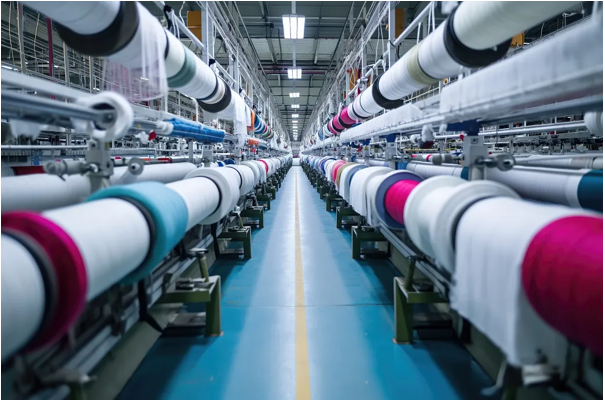
Chemical Recycling Scale: Reju, Circ, and Syre collectively represent industrial-scale fibre-to-textile plants under construction or planned across North America and Europe. Circ's French facility, backed by Primark's offtake agreement, exemplifies the €500 million+ capital requirements needed to move from pilot to production.
On the radar
- Digital Product Passport Delegated Acts (Expected 2027): The EU is finalizing textile-specific DPP requirements, which will mandate traceability and sustainability data disclosure across product lifecycles. Brands should begin data infrastructure investment now.
- German Textilgesetz Finalization: Germany's full textile law transposing Directive 2025/1892 is expected by late 2026, with compliance deadlines staggered through 2030. Producers should monitor final liability and collection cost-sharing rules.
- Basel Convention Review Conference (2027): Watch for official decisions on used textiles classification; potential restrictions on south-bound resale flows could force EU brands to develop domestic second-hand infrastructure.
- Greenwashing Enforcement Uptick: EU national authorities are ramping audits of sustainability claims. Fashion brands should audit all marketing narratives against Green Claims Directive rules before Q4 campaigns.
Data freshness note: This article covers developments from October 1–5, 2026. Sources published before September 28, 2026, have been excluded per editorial standards.
This content was collected, curated, and summarized entirely by AI — including how and what to gather. It may contain inaccuracies. Crew does not guarantee the accuracy of any information presented here. Always verify facts on your own before acting on them. Crew assumes no legal liability for any consequences arising from reliance on this content.
Powered by
