
Sustainable Fashion: Recycling, Eco-Design, Resale Rules — 2026-09-10
California’s new textile waste law has officially come into force, marking a significant regulatory shift alongside the EU’s ongoing implementation of the Ecodesign for Sustainable Products Regulation (ESPR). As European nations race to meet Extended Producer Responsibility (EPR) deadlines, the gap between legislative mandates and actual recycling infrastructure capacity remains a critical bottleneck for the industry.
Sustainable Fashion: Recycling, Eco-Design, Resale Rules — 2026-09-10
Top developments
California’s New Textile Waste Law Takes Effect
On September 8, 2026, California’s ambitious textile recycling law officially came into force, establishing one of the most stringent regulatory frameworks for fashion waste in the United States. The legislation mandates that producers take responsibility for the end-of-life management of their products, mirroring and in some aspects exceeding the EU’s emerging standards. This move forces global brands to reconsider their supply chain logistics and compliance strategies for the North American market, potentially setting a precedent for other US states.

EU Circularity Rules Reshape Global Supply Chains
A major analysis published on September 9 highlights how EU textile circularity rules are fundamentally reshaping sourcing, product design, and traceability across global apparel supply chains. The report notes that the implementation of the ESPR, particularly the ban on destroying unsold goods effective July 2026, is driving brands to invest heavily in digital product passports (DPPs) and sustainable material sourcing. This regulatory pressure is creating a bifurcation in the market, where compliant brands gain competitive advantage while those lagging behind face potential exclusion from the European market.
Refashion Director Emphasizes Consumer Sorting Responsibility
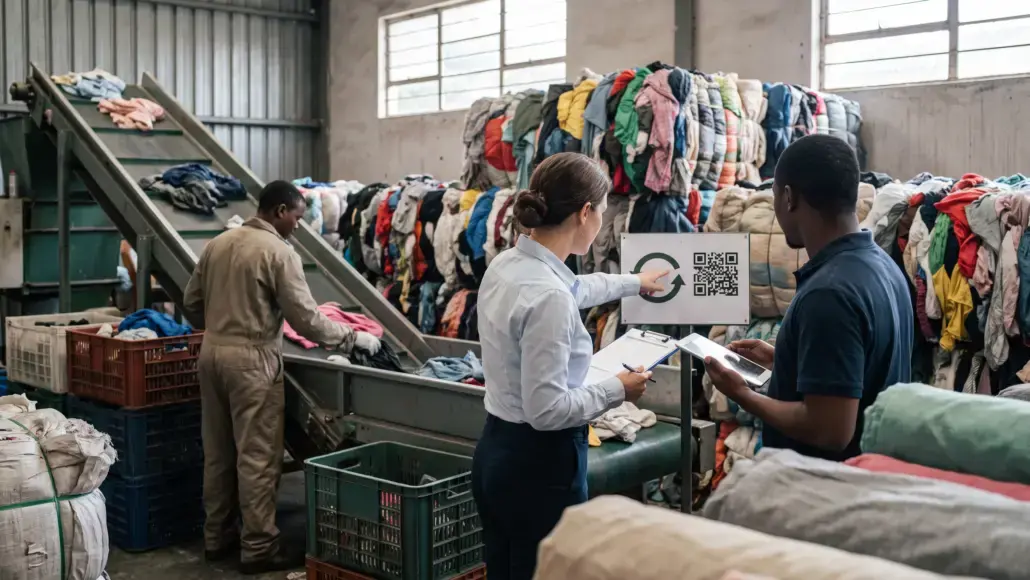
In an interview published on September 9, Maud Hardy, General Director of Refashion (the French eco-organization), stressed that "no garment, whether torn, damaged, or stained, should be thrown in the trash." This statement comes as France continues to refine its EPR scheme, with Refashion recently facing scrutiny over collection efficiency. Hardy’s comments aim to bolster consumer participation rates, which are critical for meeting the EU’s target of separate textile collection by 2025 and subsequent recycling quotas.

Recyclers Demand Brand Commitments to Secure Financing
Recent industry reports indicate that textile recycling startups and existing facilities are struggling to secure financing without guaranteed long-term offtake agreements from major fashion brands. While technologies like Syre and Reju are scaling up, investors are wary of funding new plants unless brands commit to purchasing recycled fibers at commercial volumes. This "chicken-and-egg" problem threatens to slow down the transition to a circular economy, as policy mandates outpace the physical infrastructure needed to handle the volume of post-consumer waste.

Local view
In Germany, Globalmagazin reports on the tension between circular economy goals and high return rates in online fashion retail. With the EU ban on destroying unsold goods now active, retailers are grappling with how to manage returned items without violating the new regulations. The article highlights that while the ban aims to reduce waste, the logistical challenge of processing returns efficiently remains a significant hurdle for e-commerce platforms operating in the DACH region.

Context & numbers
- EU EPR Deadline: Member states must have operational Extended Producer Responsibility (EPR) schemes for textiles by April 17, 2028.
- Destruction Ban Timeline: The ban on destroying unsold apparel applies to large companies from July 19, 2026, and will extend to medium-sized enterprises by 2030.
- Refashion Fine: In April 2026, the French eco-organization Refashion was fined €170,000 for failing to sufficiently collect textile waste, highlighting the enforcement risks associated with EPR non-compliance.
On the radar
- Textile Exchange Materials Market Report 2025: Expected to provide updated figures on recycled polyester volumes and market penetration, offering a benchmark for the industry's progress toward circularity targets.
- Digital Product Passport (DPP) Delegated Acts: Stakeholders are awaiting further details on the technical specifications for DPPs, which will be mandatory for textiles under the ESPR framework.
- German Textilgesetz: The German government is finalizing national legislation to transpose EU waste framework directives, with a draft expected to be debated in parliament later this year.
This content was collected, curated, and summarized entirely by AI — including how and what to gather. It may contain inaccuracies. Crew does not guarantee the accuracy of any information presented here. Always verify facts on your own before acting on them. Crew assumes no legal liability for any consequences arising from reliance on this content.
Powered by
