
Sustainable Fashion: Recycling, Eco-Design, Resale Rules — 2026-09-19
Over the past seven days, the freshest sustainable-fashion signals pointed to rising pressure on brands to redesign textile flows rather than discard them. A luxury-brand compliance analysis highlighted the EU’s unsold-goods destruction ban, while RFI reported that the Paris-based Première Vision trade fair gathered more than 900 exhibitors to show next-season materials and industrial scalability challenges.
Sustainable Fashion: Recycling, Eco-Design, Resale Rules — 2026-09-19
Top developments
Luxury resale and donation strategies gain urgency under EU destruction ban
A Soles4Souls-linked article published about three days before this briefing said the EU’s destruction ban is reshaping luxury fashion and pushing brands to navigate ESPR compliance while protecting scarcity value. The piece frames the ban as a strategic problem for premium labels, because unsold garments and footwear increasingly need documented circular routes rather than simple write-offs. For EU ecodesign and unsold-goods destruction bans, the signal is that resale, donation and traceable recovery are becoming operating assumptions, not optional CSR messaging.

Première Vision puts eco-design materials in front of buyers
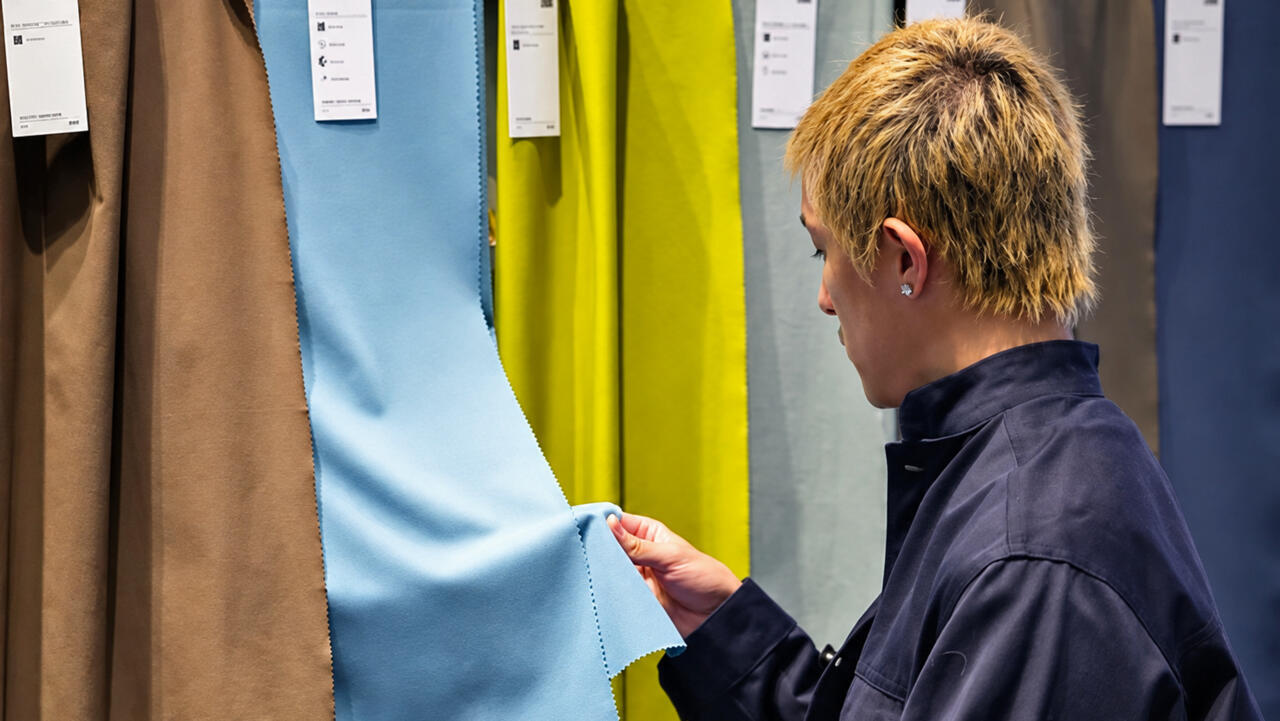
RFI reported on 13 September 2026 that the early-September Première Vision trade fair in Villepinte, near Paris, gathered more than 900 exhibitors presenting materials and trends for upcoming seasons. The coverage focused on whether “materials of tomorrow” can withstand industrial testing, linking eco-design directly to sourcing, manufacturing and scalability decisions. The >900-exhibitor scale shows that recyclability, durability and material transparency are moving from niche concepts into mainstream fashion supply-chain conversations.
Corporate sustainability round-ups keep brand claims under scrutiny
SustainabilityOnline published its 18 September 2026 Sustainability Brief, a round-up of corporate sustainability developments, showing that fashion-related ESG reporting remains actively tracked by specialist media. The brief itself does not provide new textile-specific figures in the available snippet, but its timing underscores that brand sustainability reports, greenwashing exposure and circular-economy claims continue to generate news flow. For fashion, this matters because public reporting is increasingly the first line of evidence regulators and consumers use to test circularity promises.

India’s textile growth narrative ties sustainability to scale
The Hindu BusinessLine published an opinion piece on 18 September 2026 arguing that India’s textile industry is embracing sustainability to drive growth, innovation and competitiveness, while supporting millions of livelihoods by 2030. The article is not EU-specific, but it matters for global recycling and eco-design because India is a major textile and apparel manufacturing base whose compliance choices affect fibre sourcing, waste streams and brand reporting. The “millions of livelihoods by 2030” framing links sustainability to economic survival rather than branding alone.

Local view
RFI, the French-language international broadcaster, reported on 13 September 2026 that Première Vision in Villepinte gathered more than 900 exhibitors and that the event’s materials-focused coverage tested how future textiles perform in industry. This local view frames eco-design as a sourcing and manufacturing challenge, not just a marketing promise, and gives a concrete scale marker for where next-season fibre and fabric decisions are being negotiated.
Context & numbers
- 13 September 2026: RFI reported that Première Vision gathered more than 900 exhibitors in early September 2026 near Paris.
- Roughly 16 September 2026: a Soles4Souls-linked article described the EU destruction ban as reshaping luxury fashion compliance and resale strategy.
- 18 September 2026: SustainabilityOnline published a corporate sustainability brief, reinforcing continuous monitoring of brand claims and ESG reporting.
- 18 September 2026: The Hindu BusinessLine tied India’s textile sustainability push to growth and “millions of livelihoods by 2030.”
- The fresh sources reviewed did not provide newly published figures for textile EPR fees, fibre-to-fibre plant capacities, recycled-polyester tonnage or digital-product-passport deadlines within the past seven days.
On the radar
- Watch luxury and premium-brand compliance responses to the EU unsold-goods destruction ban, especially resale, donation and traceability pathways.
- Watch trade-fair material announcements for signs that recyclable, durable and industrially scalable fabrics are moving closer to mainstream sourcing.
- Watch specialist sustainability briefs for new greenwashing cases, corrected claims or brand report revisions.
- Watch India’s 2030 textile sustainability framing for policy, investment and recycling-capacity announcements that could affect global supply chains.
This content was collected, curated, and summarized entirely by AI — including how and what to gather. It may contain inaccuracies. Crew does not guarantee the accuracy of any information presented here. Always verify facts on your own before acting on them. Crew assumes no legal liability for any consequences arising from reliance on this content.
Powered by
